

The New Seven Wonders of the World: My Quest to Visit All 7
This post may contain affiliate links. There is a chance that I might receive a commission for purchases made through these links at no cost to you, of course!
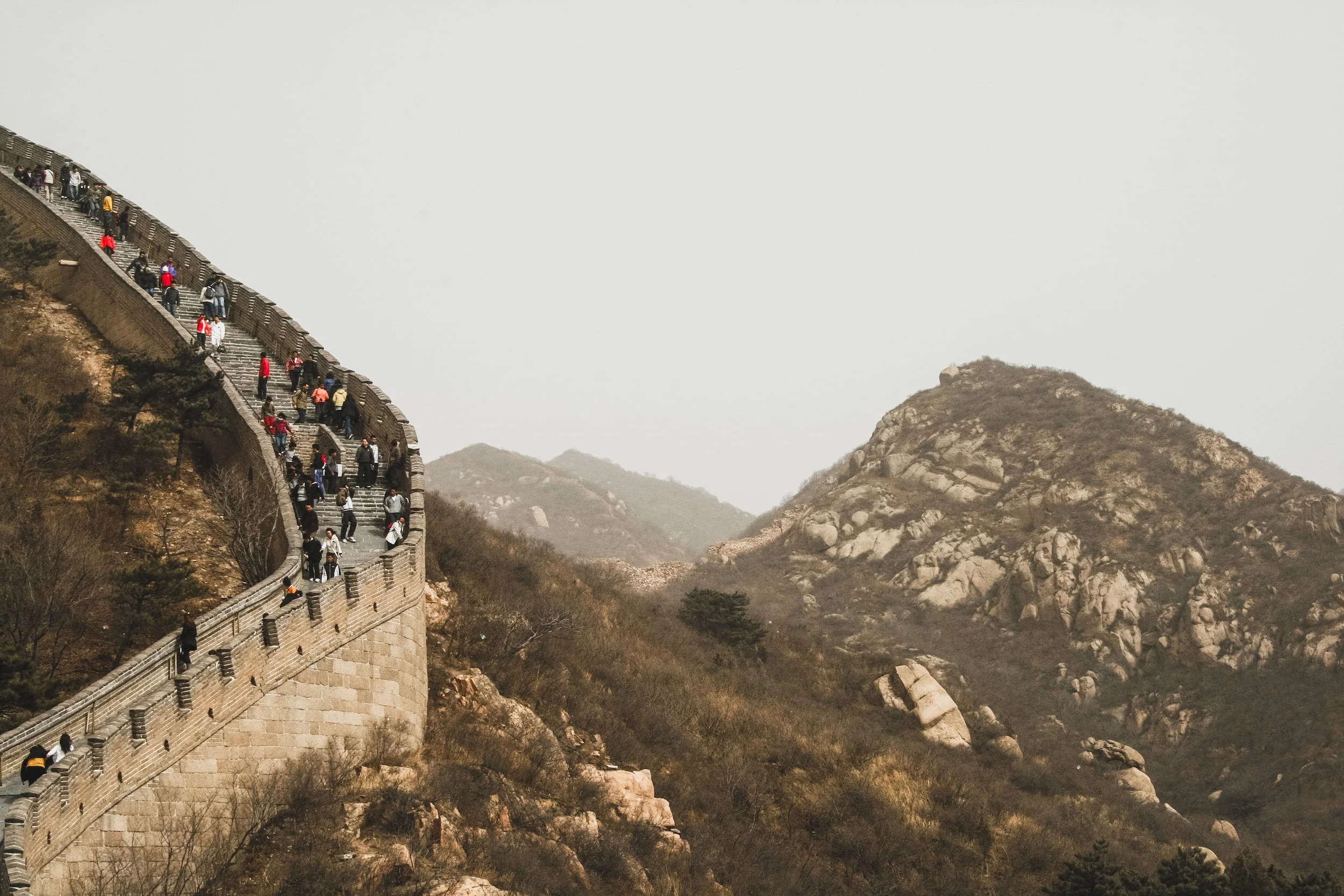
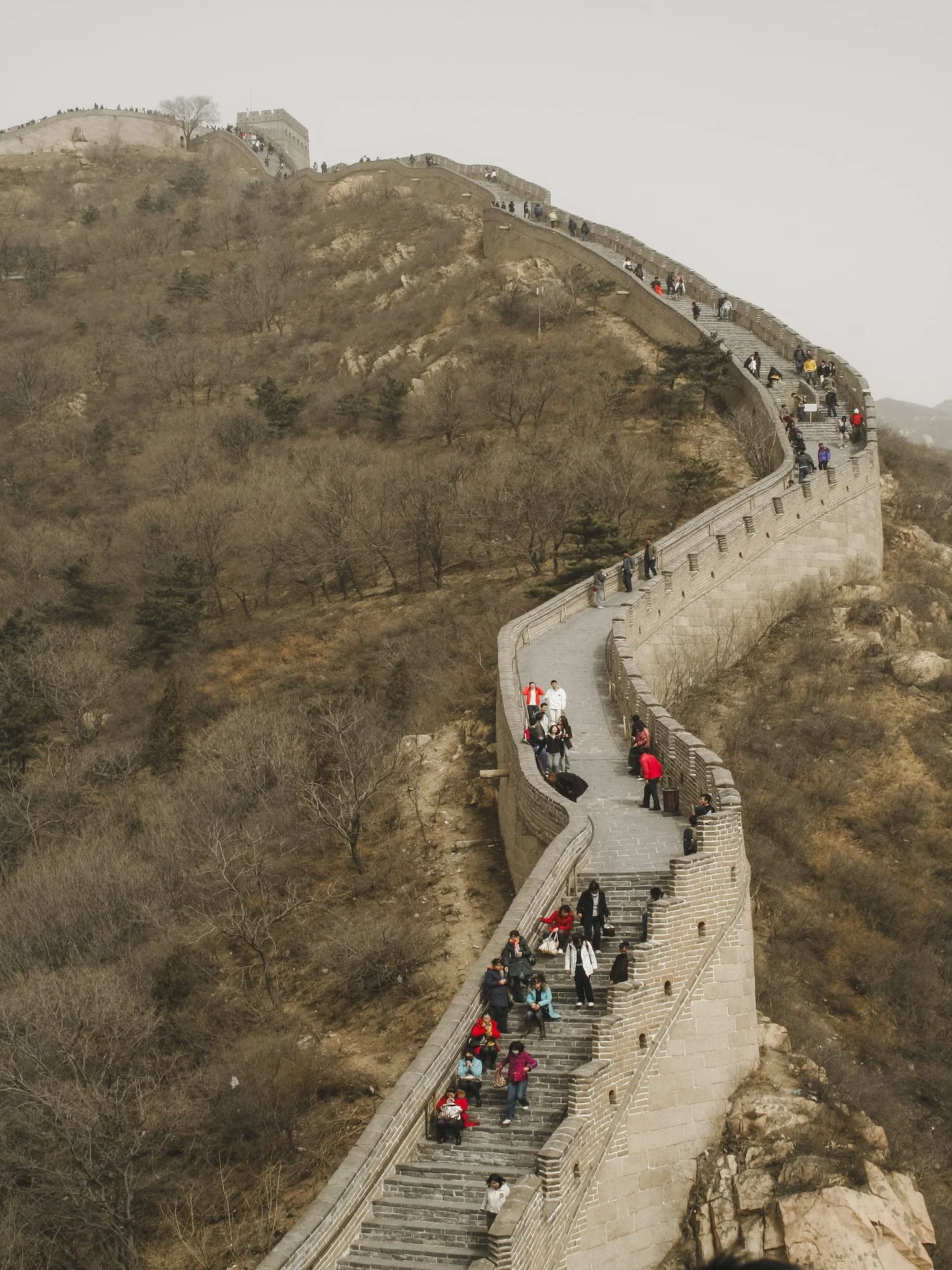
Great Wall of China, China
There are certain places in the world that almost don't seem real until you're standing in front of them. The Seven Wonders of the World are very much of that kind.
I didn’t start this journey with some grand plan to visit all seven. It started with the Great Wall, then the Colosseum, and somewhere around Wonder number three, I had one of those realizations that I could actually visit all seven. Now I'm five in, with only two left, and finishing the list feels less like a travel goal and more like something I just have to see through.
Five down. Christ the Redeemer and Machu Picchu to go.
At a Glance
Summary
What Are the New Seven Wonders of the World?
Where I'm At on the List
What I Actually Love About This Goal
Can You Do This With a Normal Job?
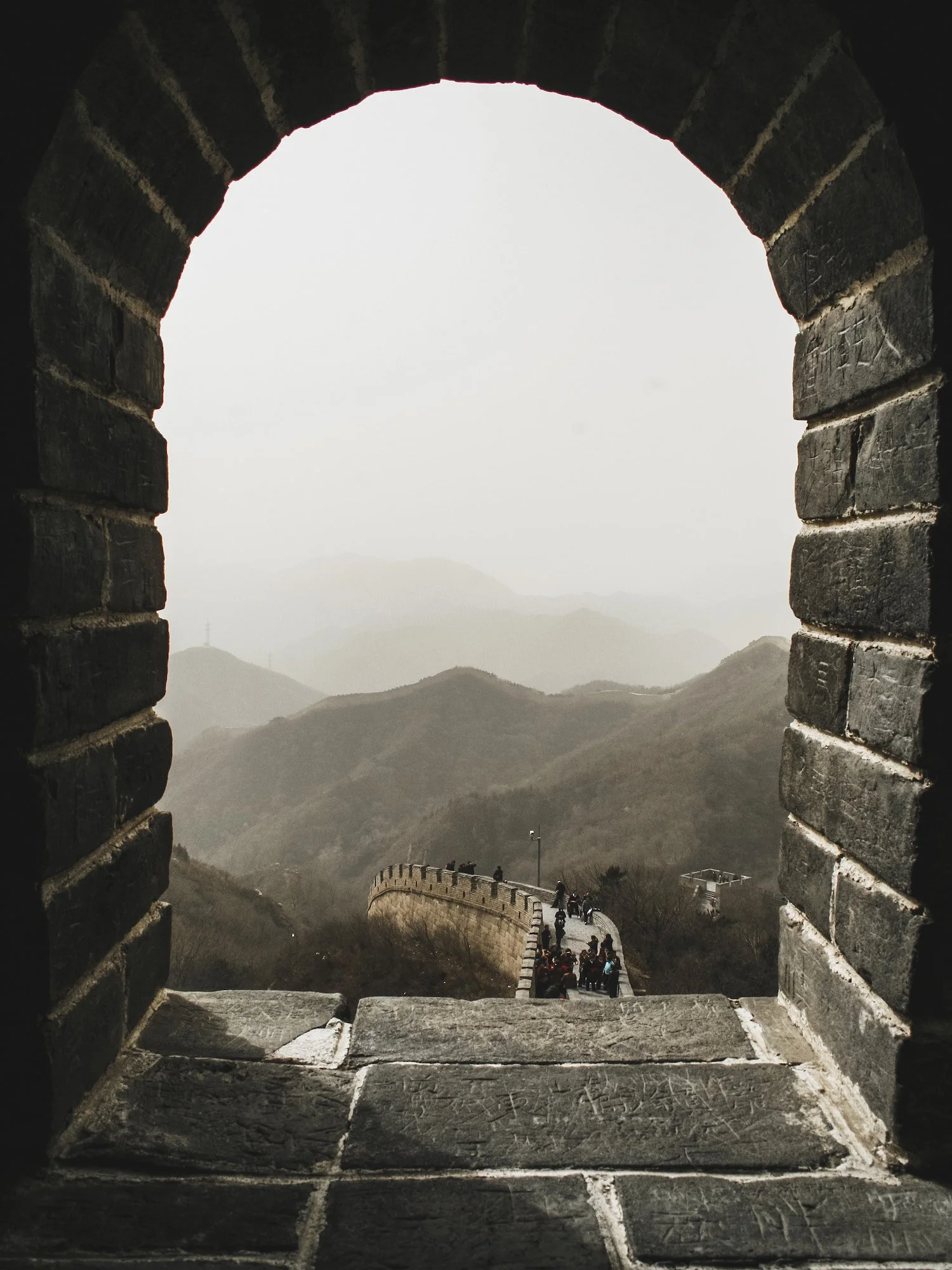
Wonder #1: The Great Wall of China
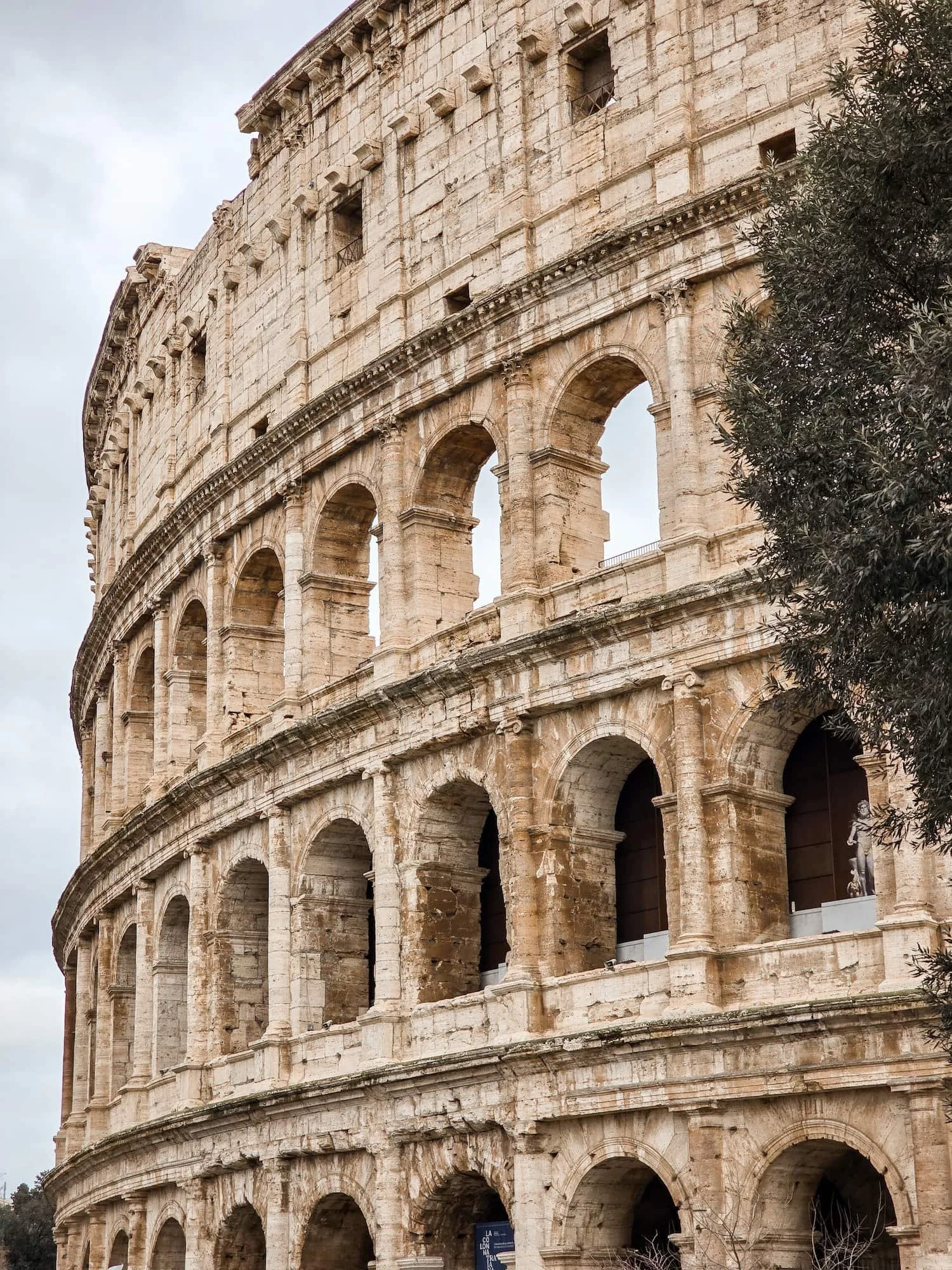
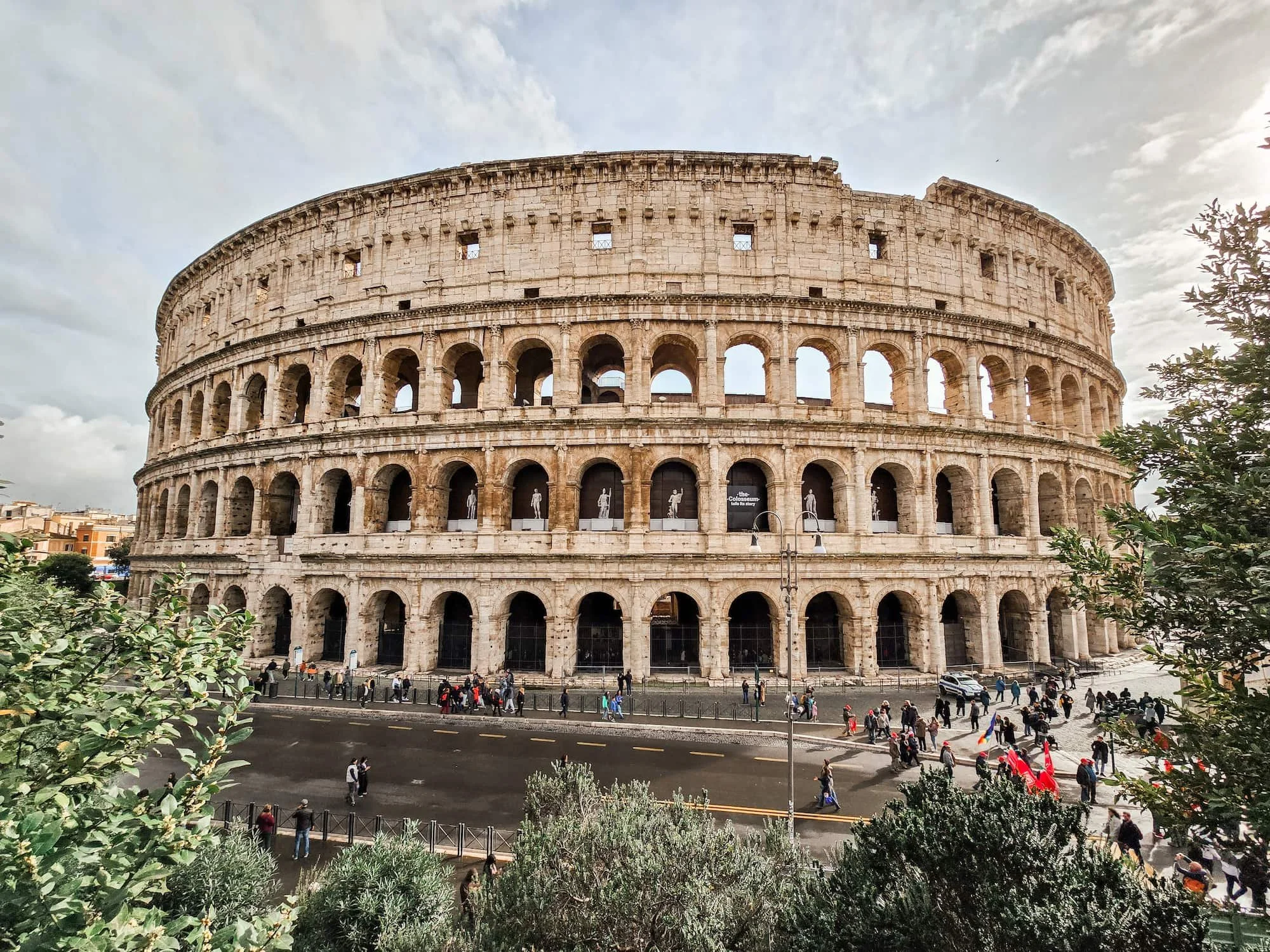
Wonder #2: The Colosseum, Italy
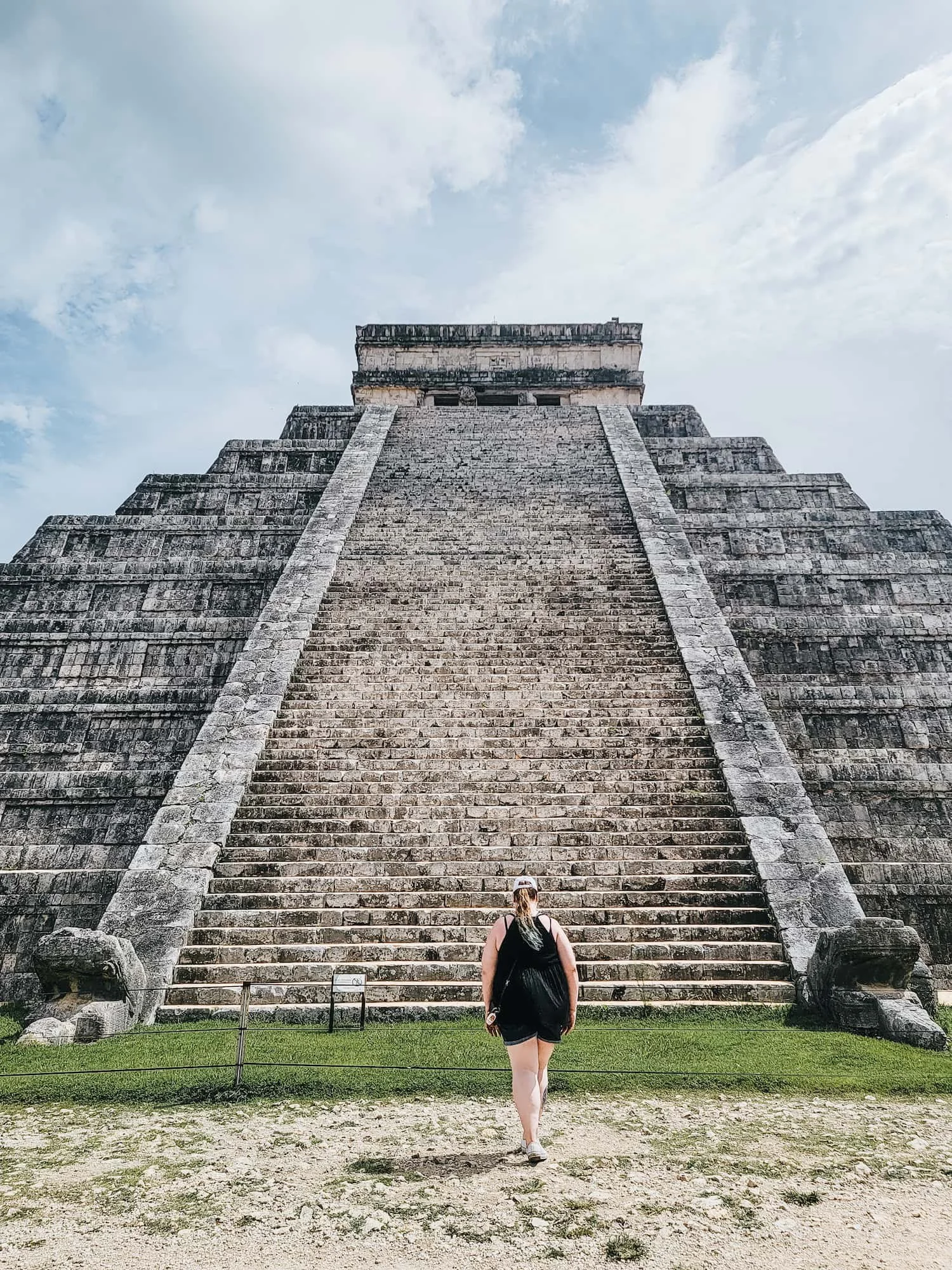
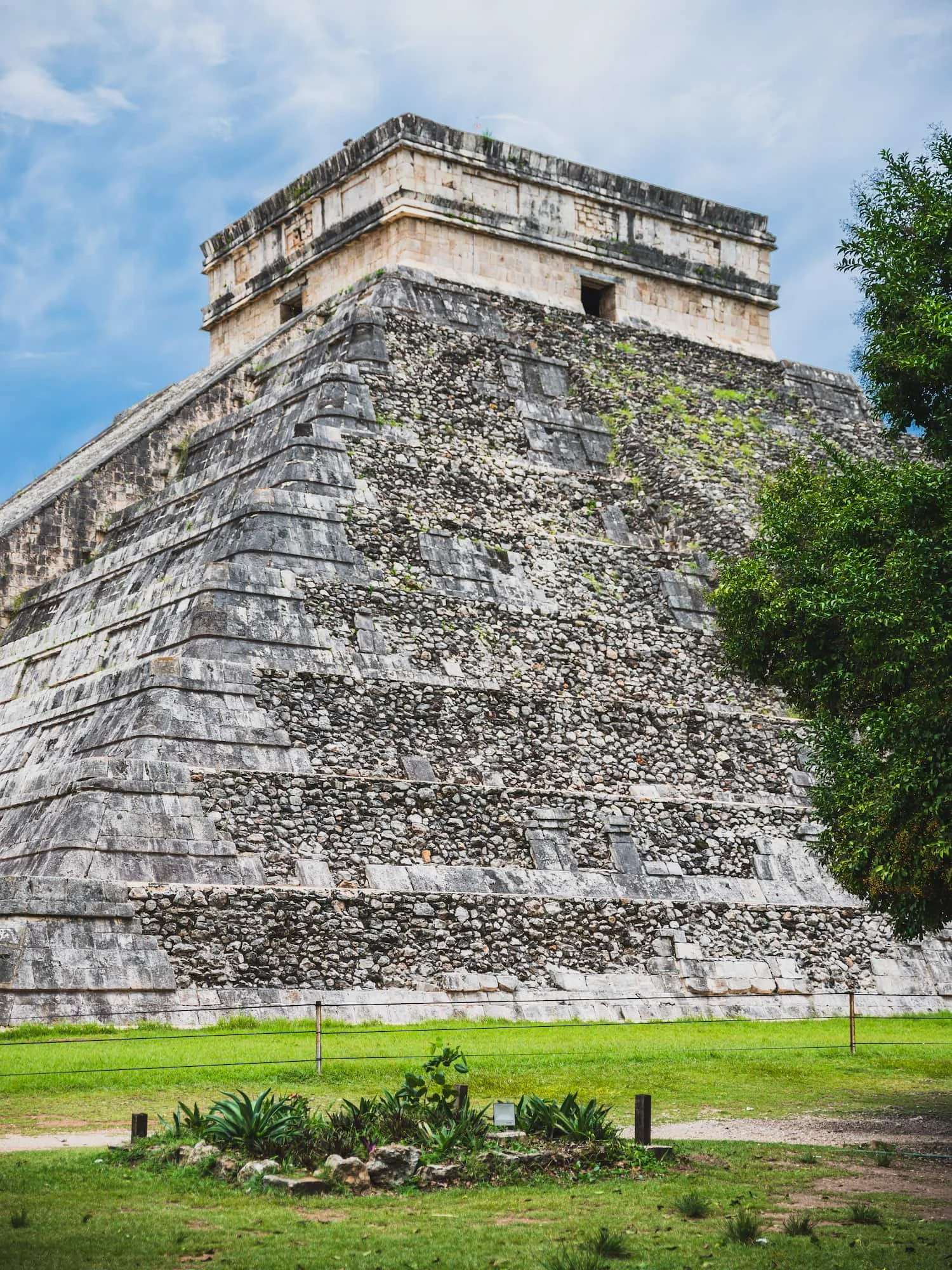
Wonder #3: Chichén Itzá, Mexico
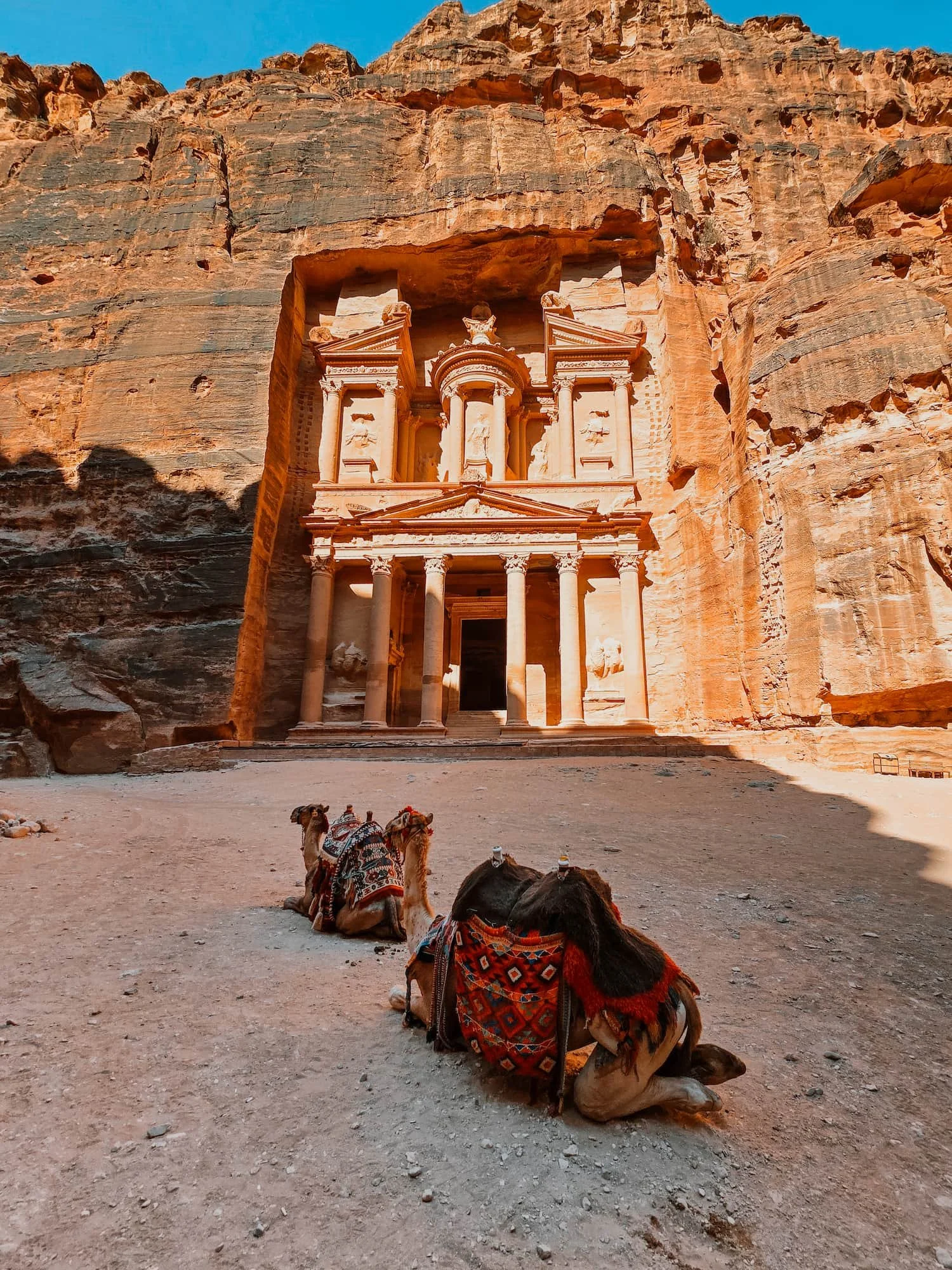
Wonder #4: Petra, Jordan
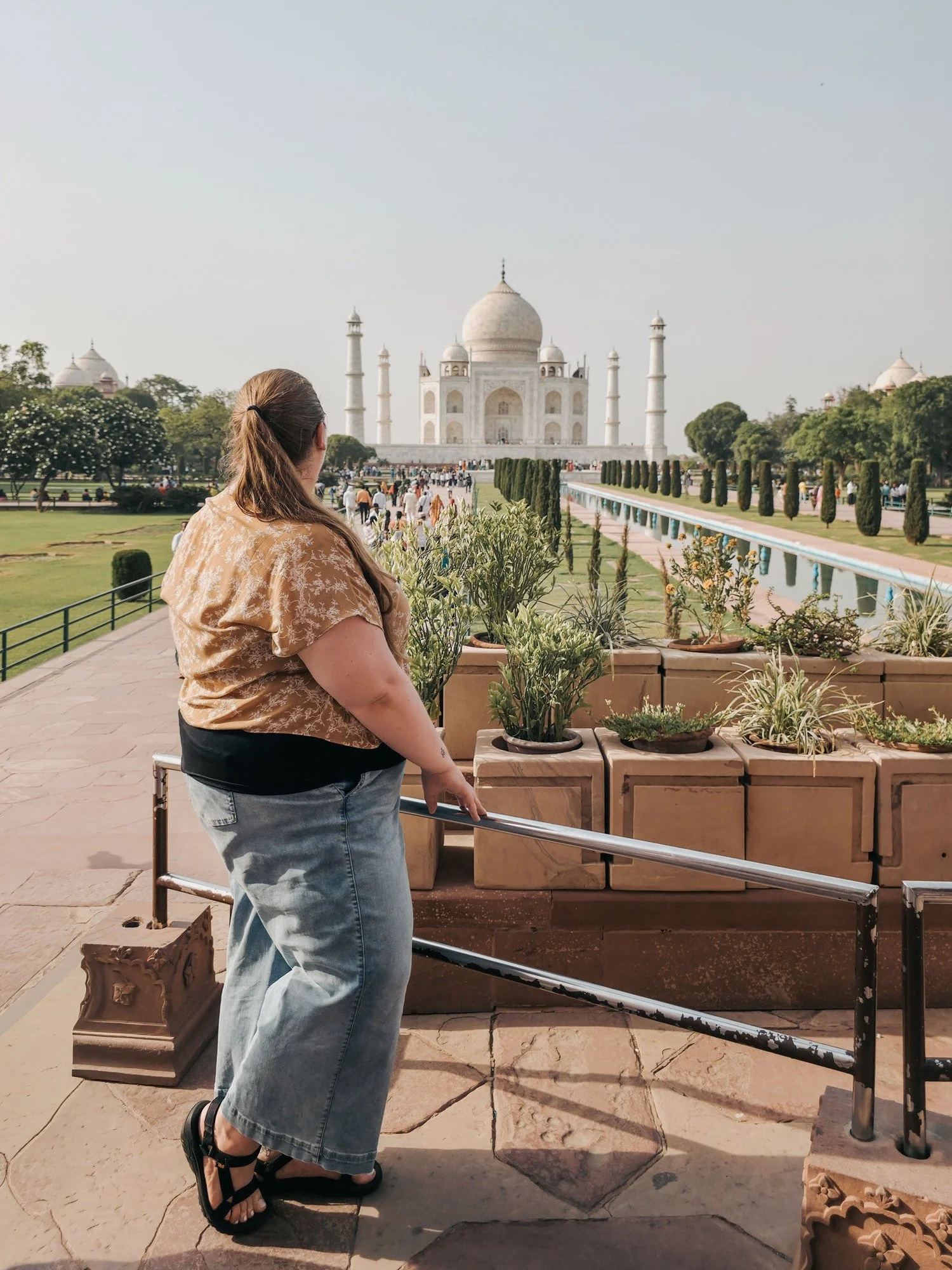
Wonder #5: The Taj Mahal, India
Still to Go: Christ the Redeemer, Brazil
Still to Go: Machu Picchu, Peru
Can You Visit All Seven Wonders of the World?
Which Wonder Should You Visit First?
What About the Original Seven Wonders of the Ancient World?
What Are the New Seven Wonders of the World?
Quick background: In 2007, a global public poll organized by the New7Wonders Foundation selected seven landmarks to create a modern counterpart to the ancient Seven Wonders list. Over 100 million votes were cast. The resulting list includes:
Great Wall of China — China
Colosseum — Italy
Chichén Itzá — Mexico
Petra — Jordan
Taj Mahal — India
Christ the Redeemer — Brazil
Machu Picchu — Peru
The big difference from the ancient list? All seven of these are standing, accessible, and worth the trip. The ancient list has only one surviving structure, the Great Pyramid of Giza. The new one gives you seven. That's kind of the whole point.
Where I’m at on the List
✓ Wonder #1 - Great Wall of China - China
✓ Wonder #2 - Colosseum - Italy
✓ Wonder #3 - Chichén Itzá - Mexico
✓ Wonder #4 - Petra - Jordan
✓ Wonder #5 - Taj Mahal - India
(Coming Soon) - Christ the Redeemer - Brazil
(Coming Soon) - Machu Picchu - Peru
None of these were part of one big around-the-world trip. Each one was its own separate journey, planned around different schedules, different budgets, and different stretches of time. That's the version of this goal that actually works for most people.
What I Actually Love About This Goal
Every single Wonder has been completely different, and not just geographically. The feeling of standing at each one is its own thing.
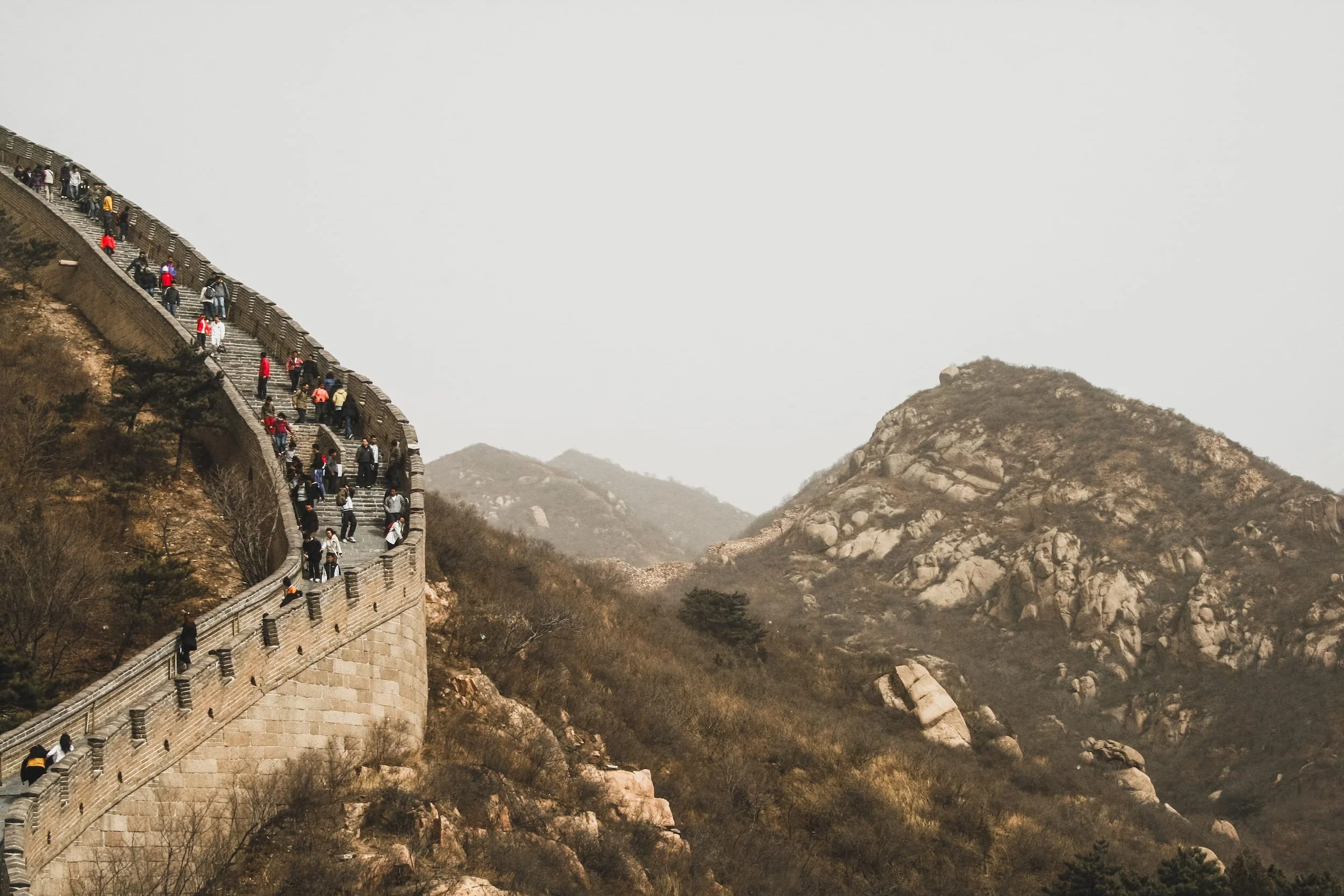
The Great Wall is enormous and kind of overwhelming in the best way. You expect a wall. What you get is something that stretches across mountain ridges as far as you can see in both directions, disappearing into the landscape like it's always just been there.
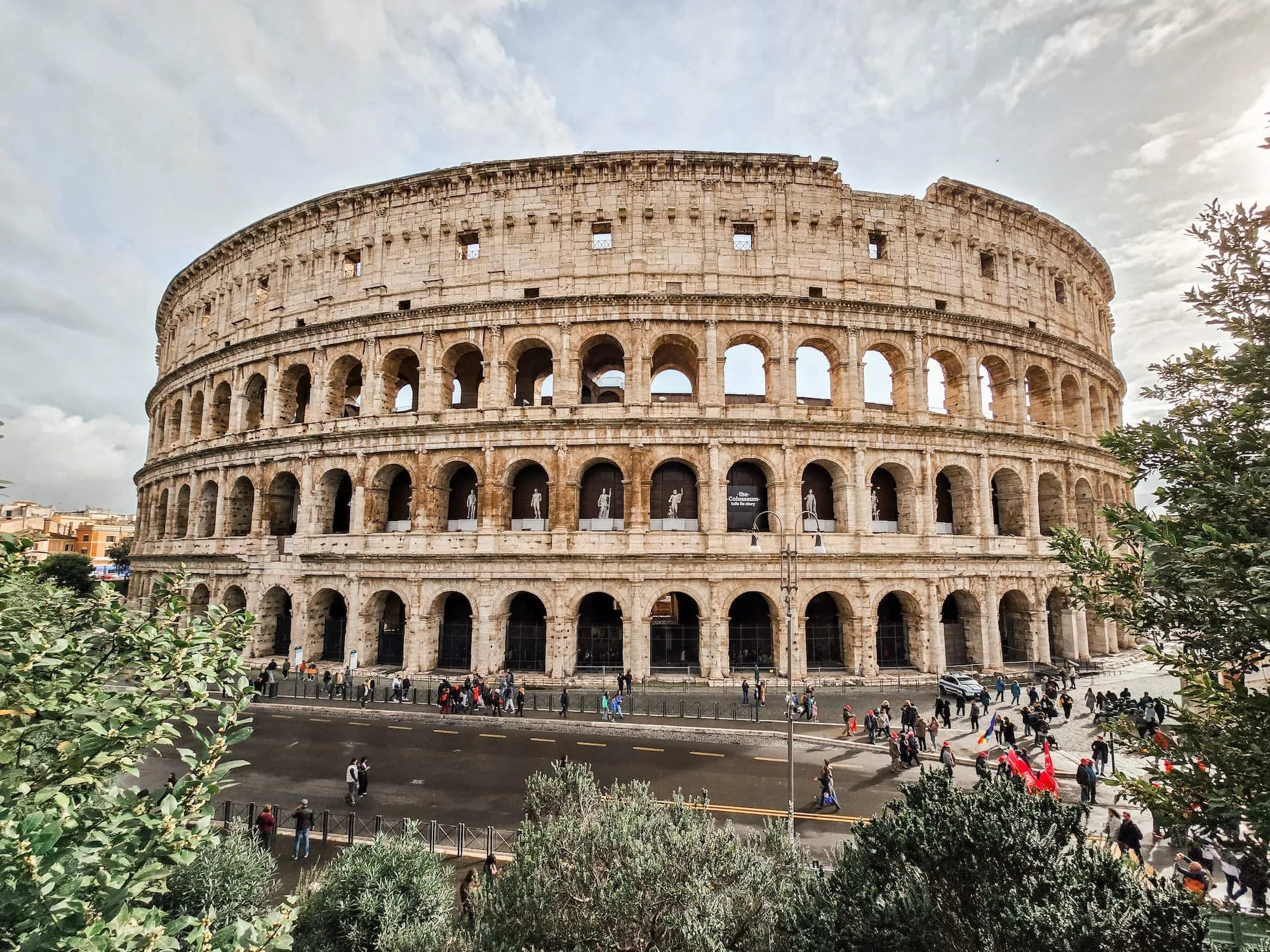
The Colosseum drops you into ancient Rome in the middle of a very modern city. One minute you're walking down a street full of restaurants and scooters, and then suddenly you turn a corner, and there it is, nearly 2,000 years old, and somehow still the most commanding thing around.
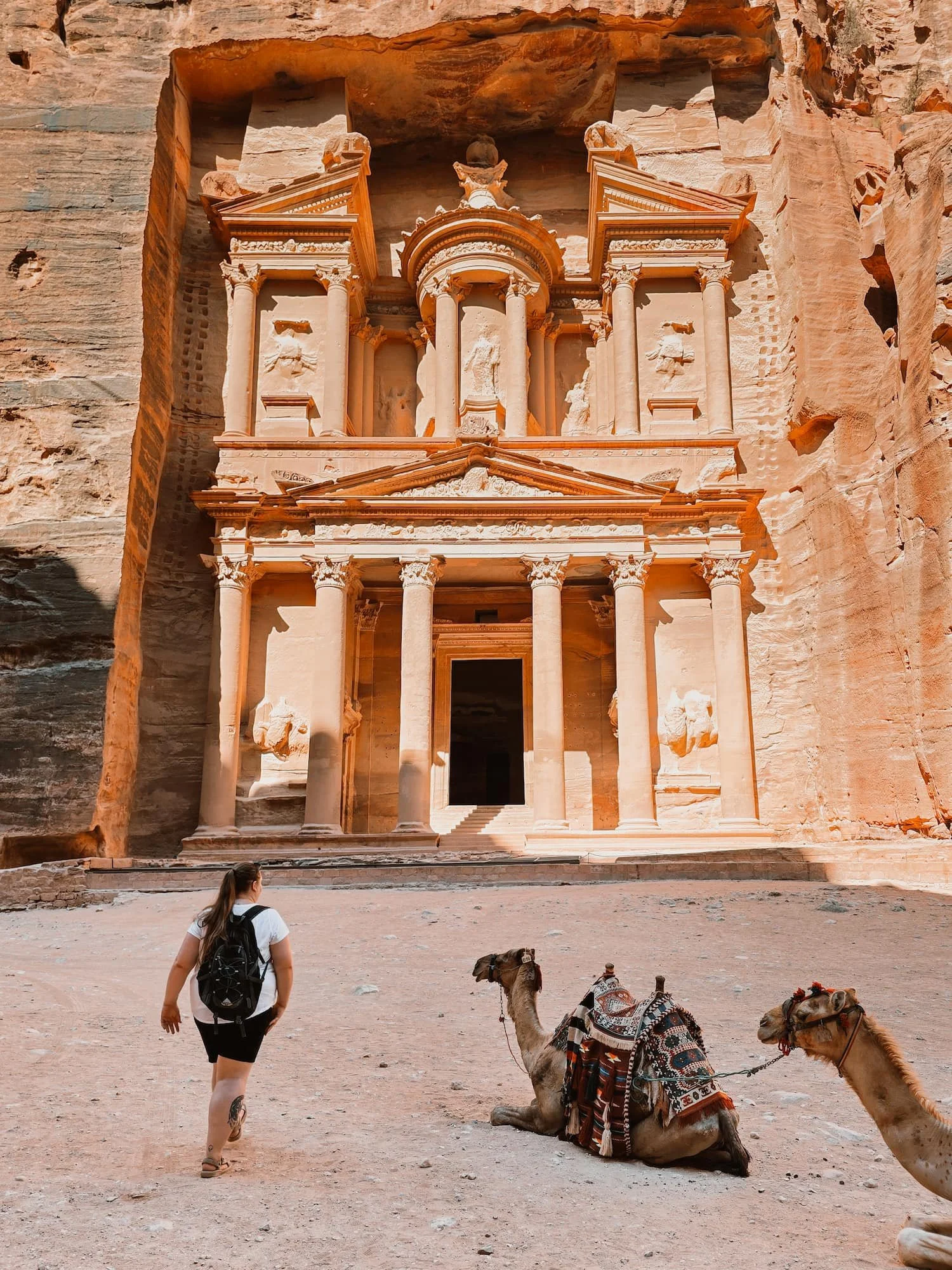
Petra sneaks up on you. You walk through a narrow canyon called the Siq for almost a mile, with rock walls rising dozens of meters on either side, and then the Treasury gradually appears through the gap ahead. No photo prepares you for that moment.
None of them felt the same. That variety is honestly what keeps the goal so interesting.
Can You Do This With a Normal Job?
Yes, and I'd push back on the idea that you need months of free time to make this happen.
I work a regular 9-to-5. These five Wonders happened across completely separate trips, planned around vacation time, long weekends, flight schedules, and real-world budgets. It was never one giant adventure. It was a lot of smaller, well-timed ones with intention behind them.
The trick is to stop waiting for the perfect trip and start looking for Wonders that fit into trips you're already planning. If you're heading to Italy, go see the Colosseum. Planning a trip to Mexico? Check whether Chichén Itzá fits your itinerary. Going to Jordan? Give Petra more time than you think you need, it earns it.
Wonder #1: The Great Wall of China
Status: ✓ Visited
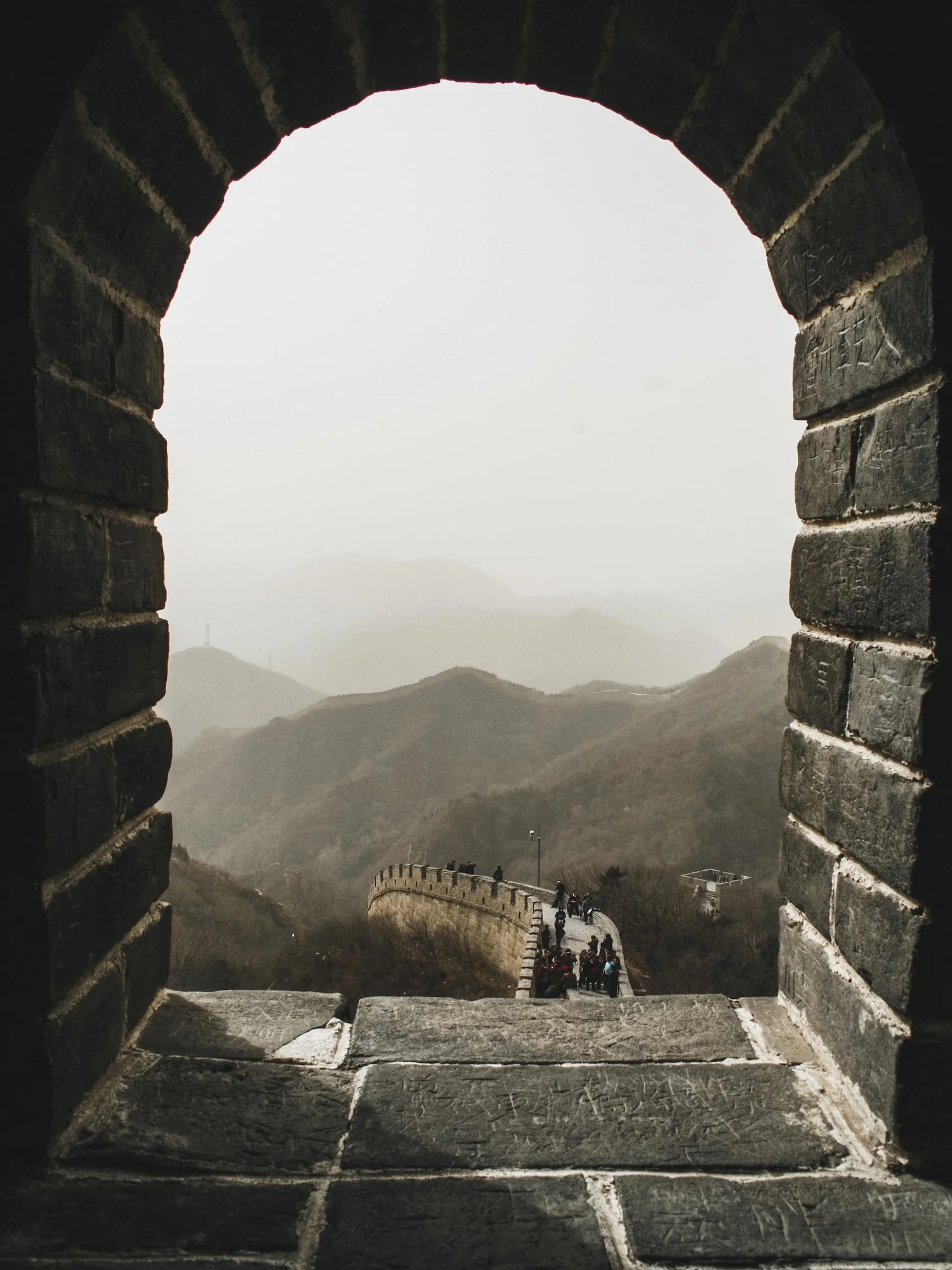
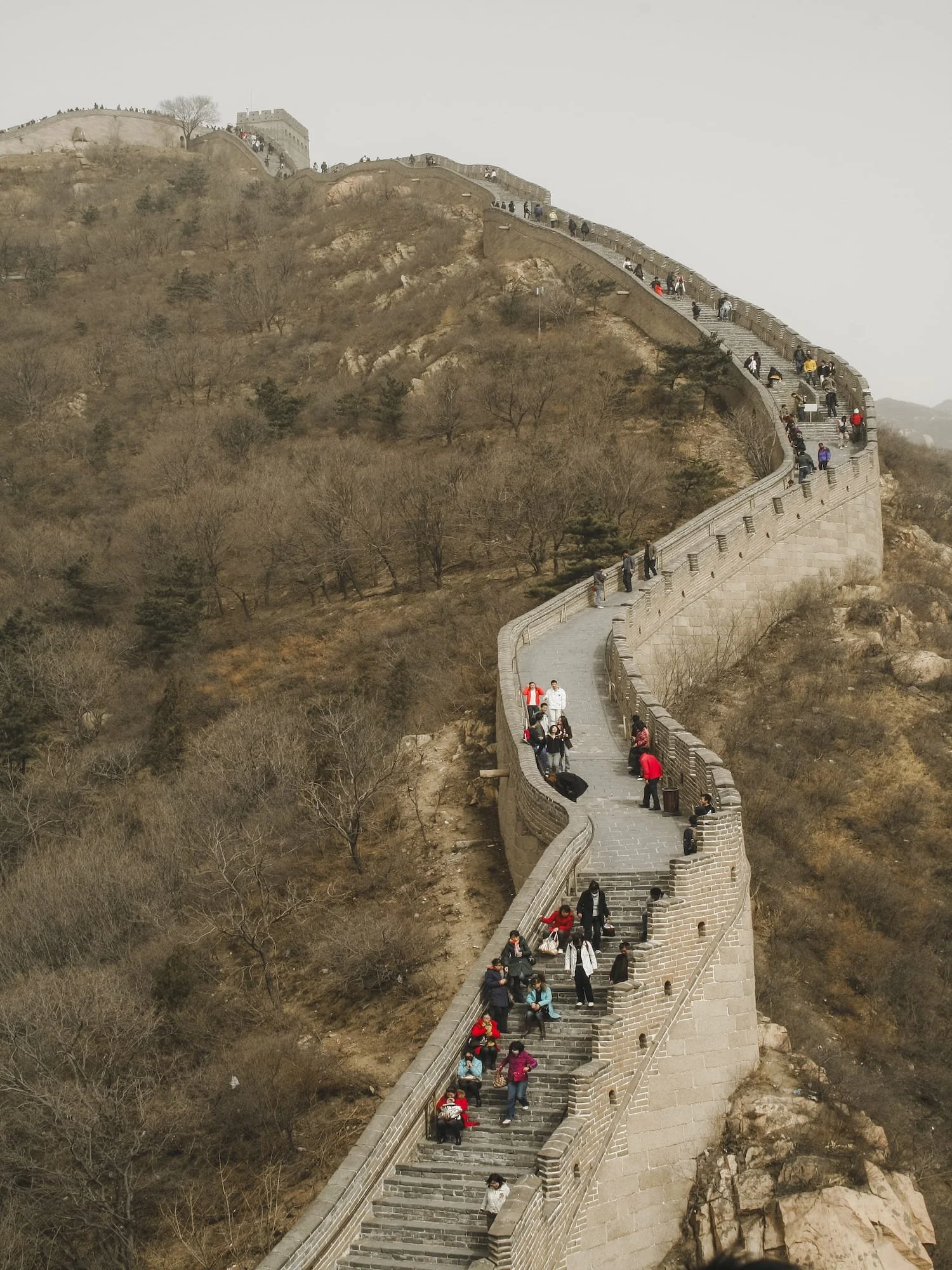
The Great Wall was the first of the New Seven Wonders I visited. Though at the time, I had no idea it would eventually become part of a larger goal.
What most people don't fully grasp until they arrive is that the Great Wall isn't a single structure. It's a vast network of fortifications built and rebuilt over centuries across northern China. What you visit near Beijing is just one small section of something almost impossibly large.
For travelers based in Beijing, several sections can be reached as a day trip. Which section you choose makes a significant difference. Some are heavily restored and busy with tour groups. Others are quieter, rougher around the edges, and require considerably more effort to reach, which is often what makes them worth it. Planning a trip to China? You can find more of my China travel resources here.
What I'd recommend: Don't just decide to "visit the Great Wall" and leave the planning there. Research the individual sections before you go. Crowd levels, accessibility, scenery, and difficulty can vary dramatically depending on where you end up.
Wonder #2: The Colosseum, Italy
Status: ✓ Visited
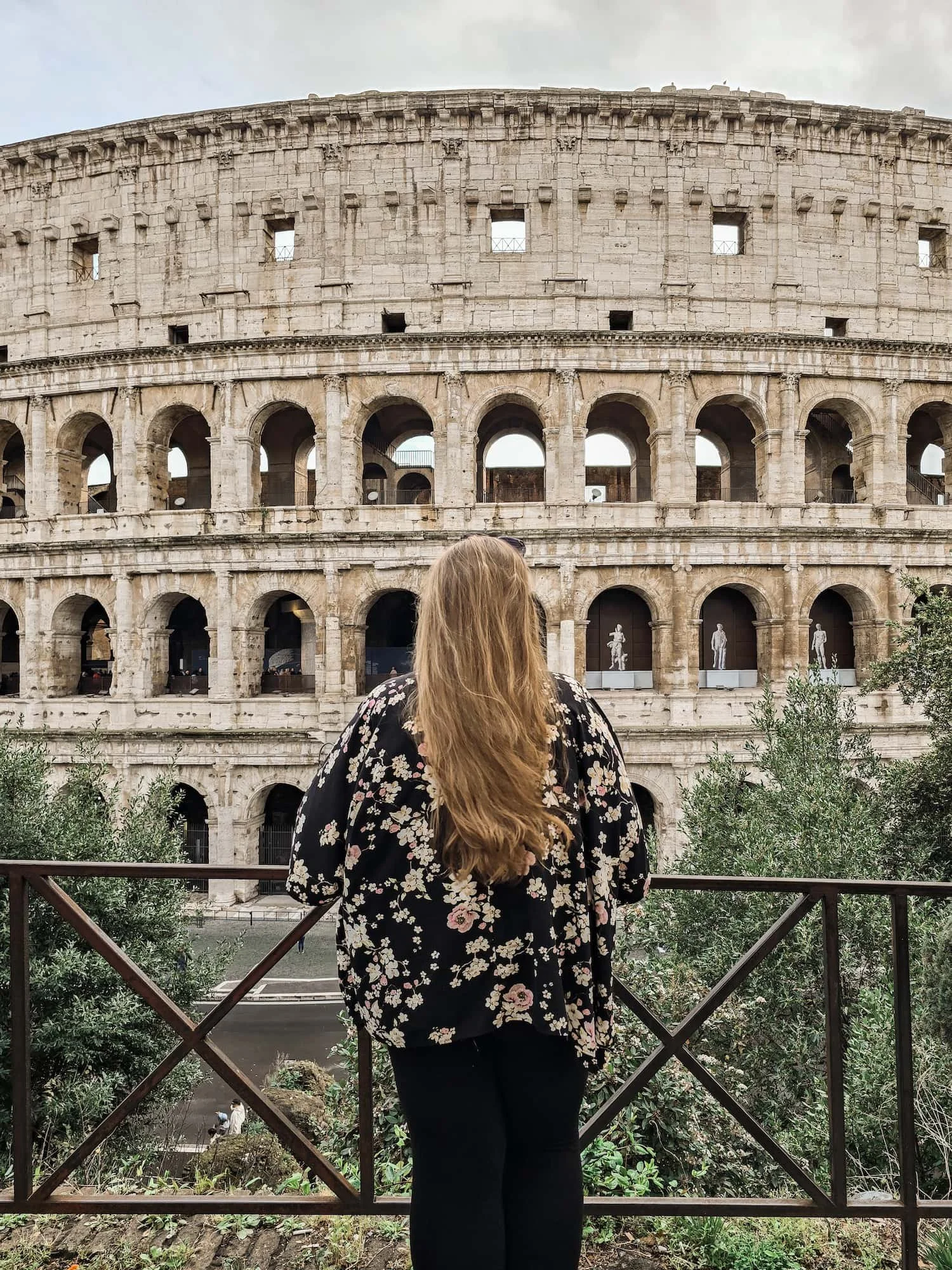
The Colosseum is one of the most recognizable ancient structures on earth, and one of the genuinely easiest Wonders to work into an existing trip. It sits right in the middle of Rome. You can be wandering around the city and suddenly find yourself face-to-face with it.
Built nearly 2,000 years ago, the Colosseum hosted gladiatorial contests, public spectacles, and elaborate events during the height of the Roman Empire. What makes visiting it feel so different from just seeing photos is the place's scale and detail. The underground hypogeum, where gladiators and animals waited before being hoisted into the arena, gives you a completely different sense of how the whole operation actually worked.
What I'd recommend: If you can, book the underground and arena floor tour in advance. It tends to sell out. And give yourself time to explore the Roman Forum and Palatine Hill right beside it. They add a lot of context for everything you're looking at. If Rome is part of a larger trip, see my Italy travel guide for more planning information.
Wonder #3: Chichén Itzá, Mexico
Status: ✓ Visited
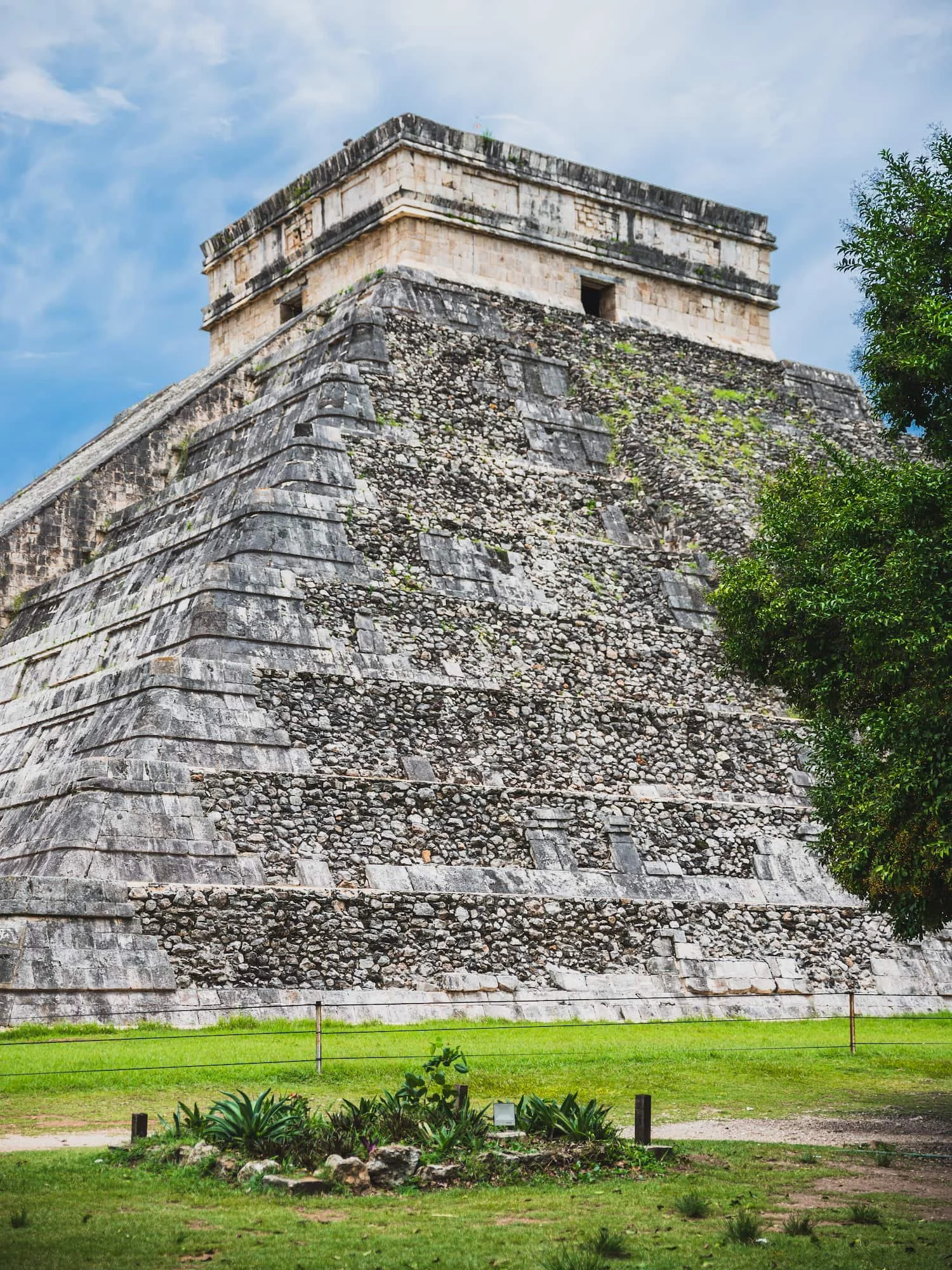
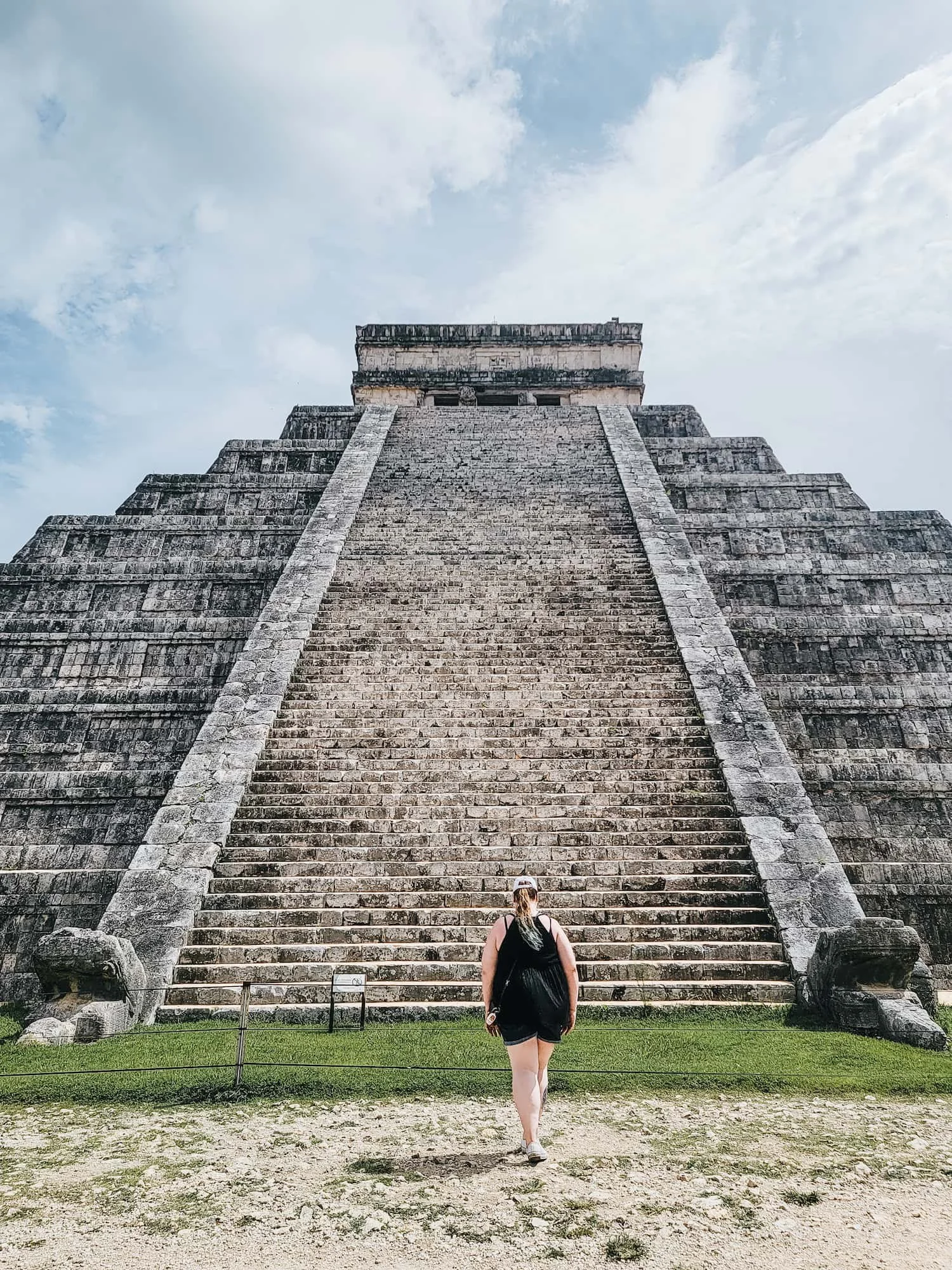
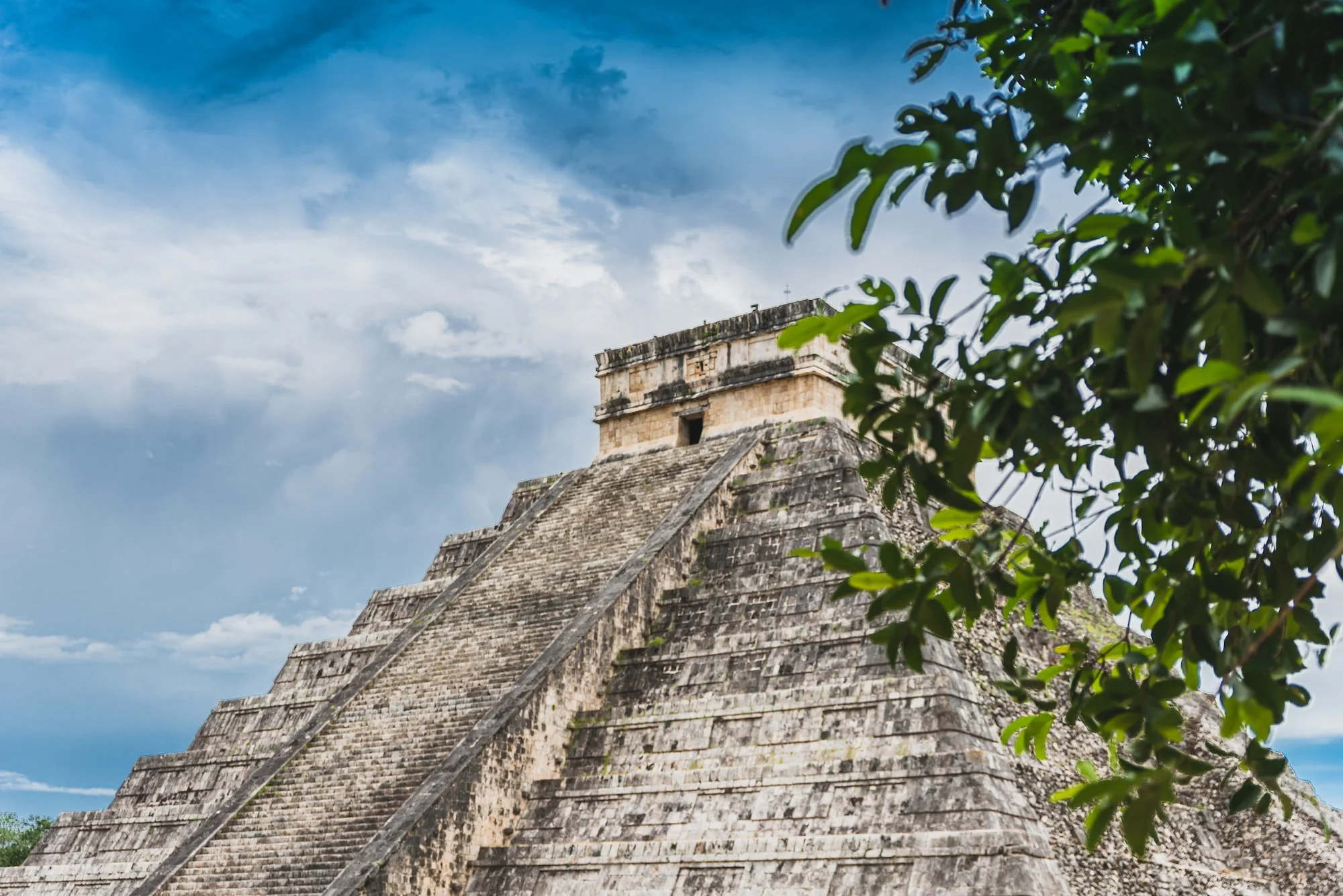
Chichén Itzá was once one of the most powerful cities of the ancient Maya world. Its most famous structure, El Castillo, also called the Temple of Kukulcán, is the stepped pyramid you've almost certainly seen in photographs. Though seeing it in person is an entirely different experience.
The site is much larger than just the pyramid. The Great Ball Court, the Temple of Warriors, the columns, the ceremonial platforms. It all gives you a far clearer sense of how significant this city actually was. One of the details that stuck with me: clap your hands at the base of El Castillo, and the echo returns, sounding like the chirp of a quetzal, a sound believed to have been deliberately engineered into the structure's design. It's a small thing, but it's the kind of detail that makes ancient engineering feel genuinely mind-blowing.
What I'd recommend: Go as early as you can. The site gets hot fast, and by mid-morning, tour groups are in full force. The light for photos is also considerably better in the first hour after opening. Planning a trip to the Yucatán? Start with my Mexico travel guide.
Wonder #4: Petra, Jordan
Status: ✓ Visited
Petra is one of those places where the famous photograph genuinely does not prepare you for the actual experience.
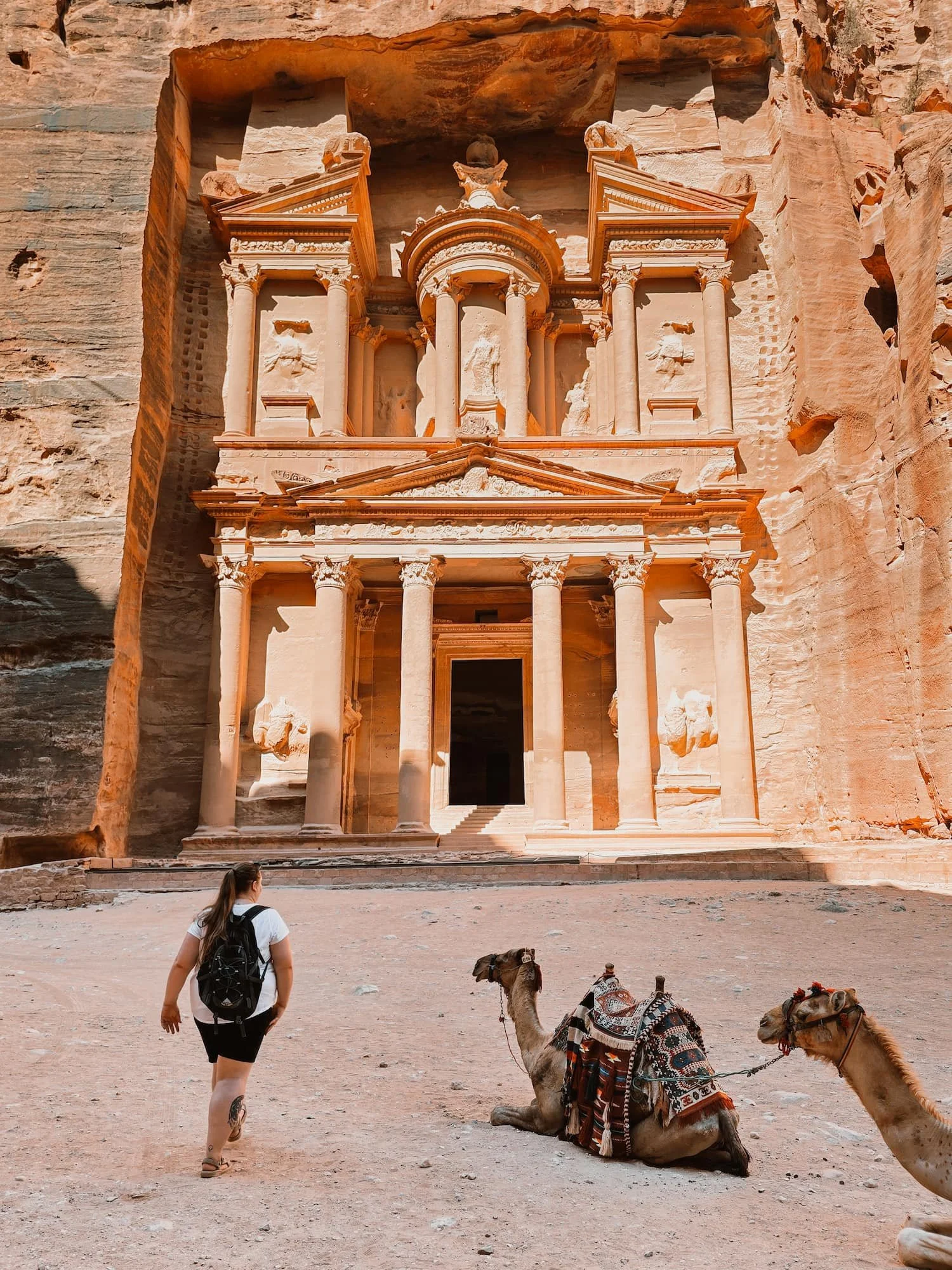
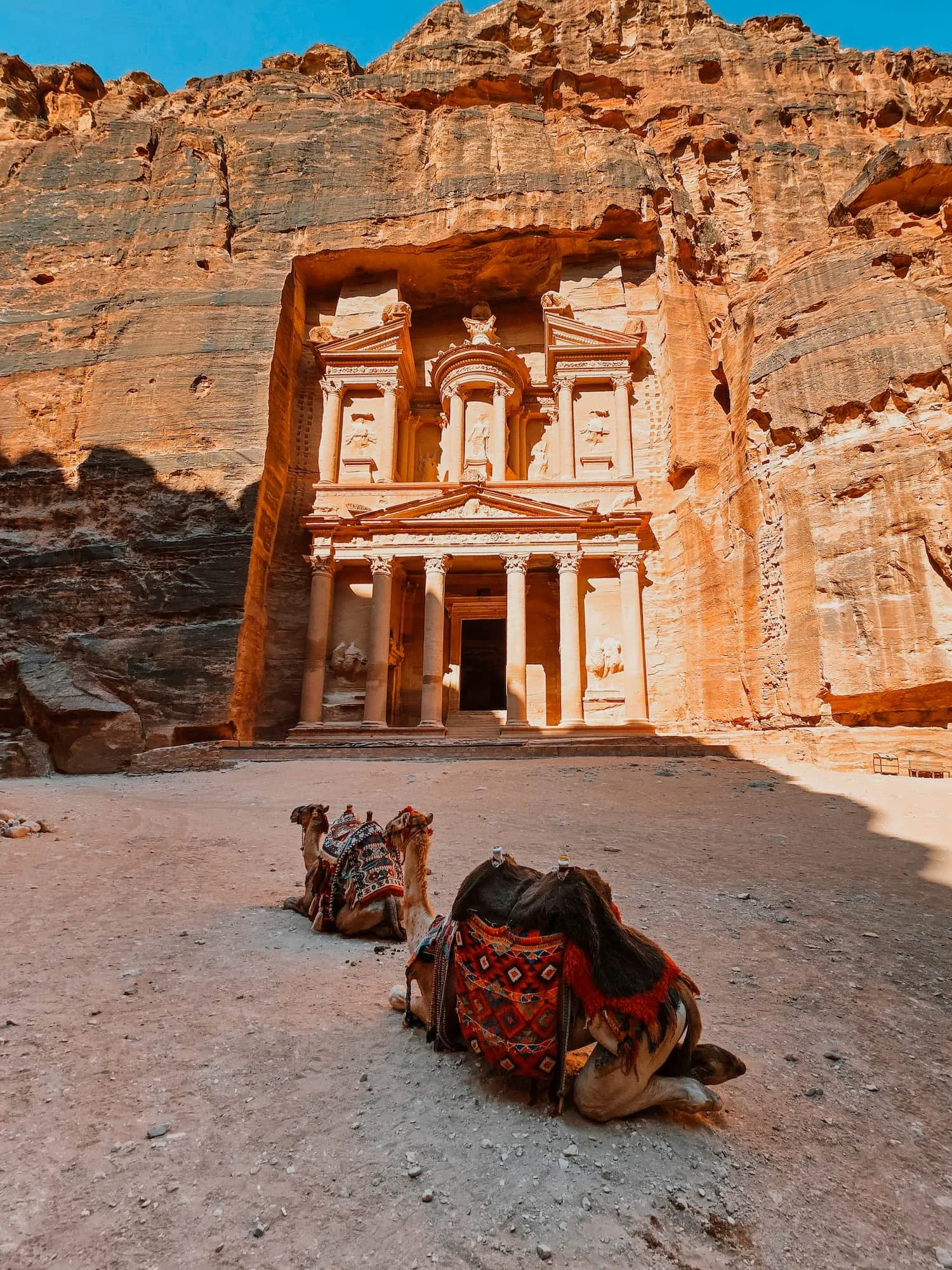
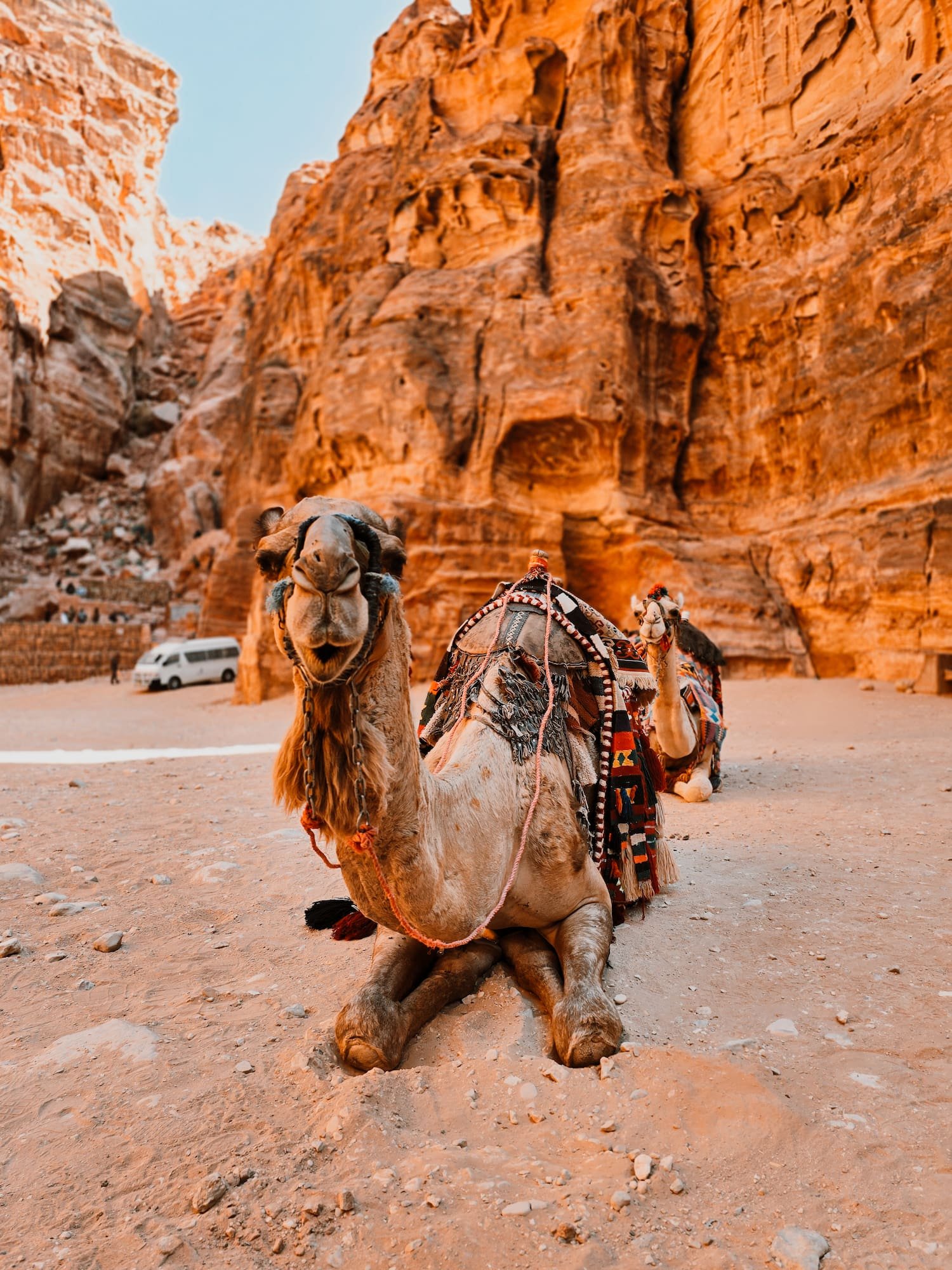
The ancient Nabataean city is carved directly into the sandstone landscape of southern Jordan. The most iconic structure, the Treasury, is spectacular, but it's only the beginning of what the site has to offer. Temples, tombs, trails, viewpoints, and the enormous Monastery farther inside all give Petra a scale that takes time to fully appreciate.
What makes the approach so memorable is the Siq: a narrow gorge with rock walls towering on either side, nearly a mile long, before the canyon opens and the Treasury suddenly comes into view. It's one of the best reveals I've experienced anywhere.
What I'd recommend: Don't make the mistake of treating Petra as a half-day stop. You can see the highlights in one long day, but two days give you the time to actually explore rather than just rush through. Wear comfortable shoes. You'll walk more than you expect. See how I fit Petra into my Jordan itinerary.
Wonder #5: The Taj Mahal, India
Status: ✓ Visited
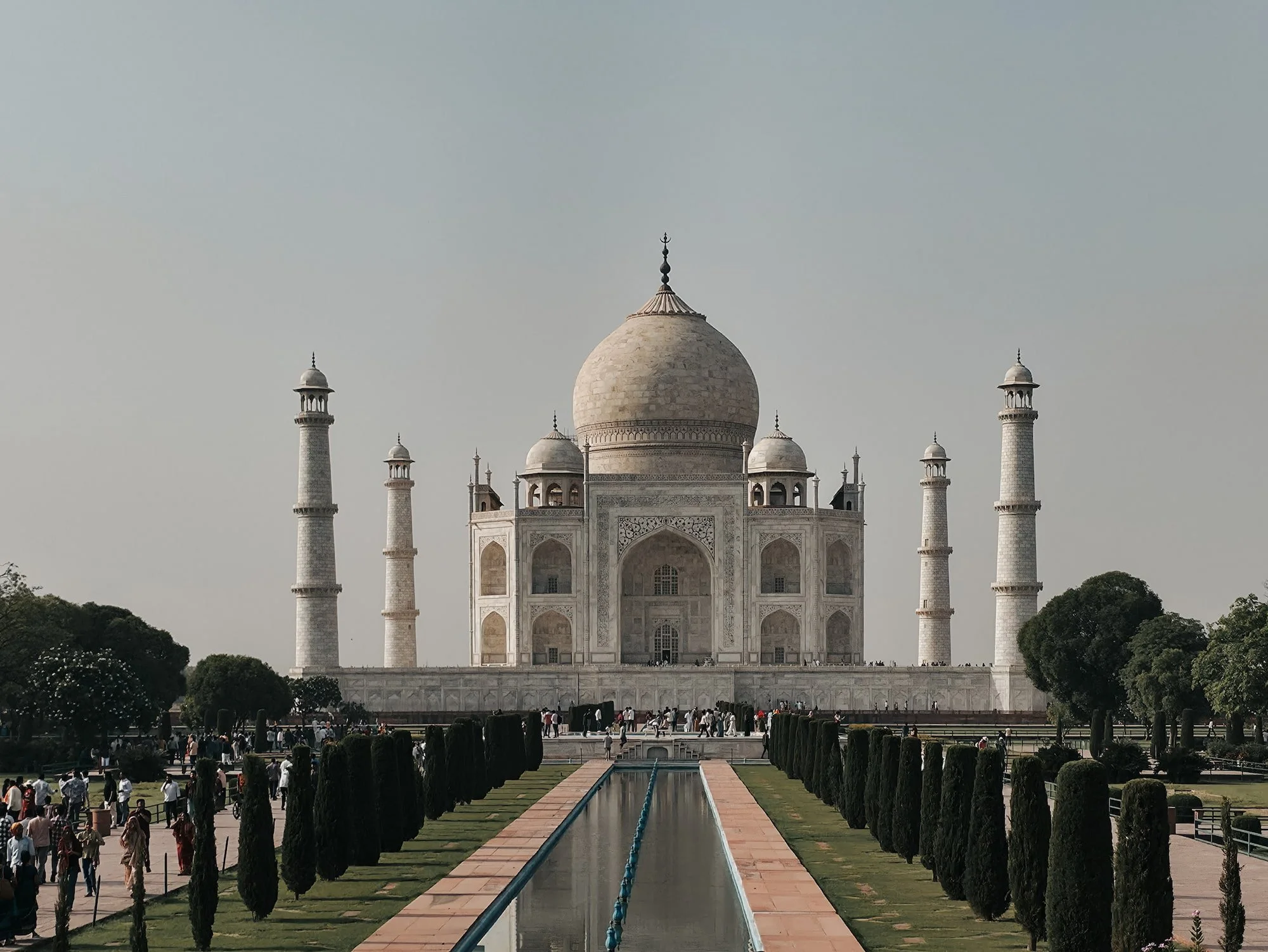
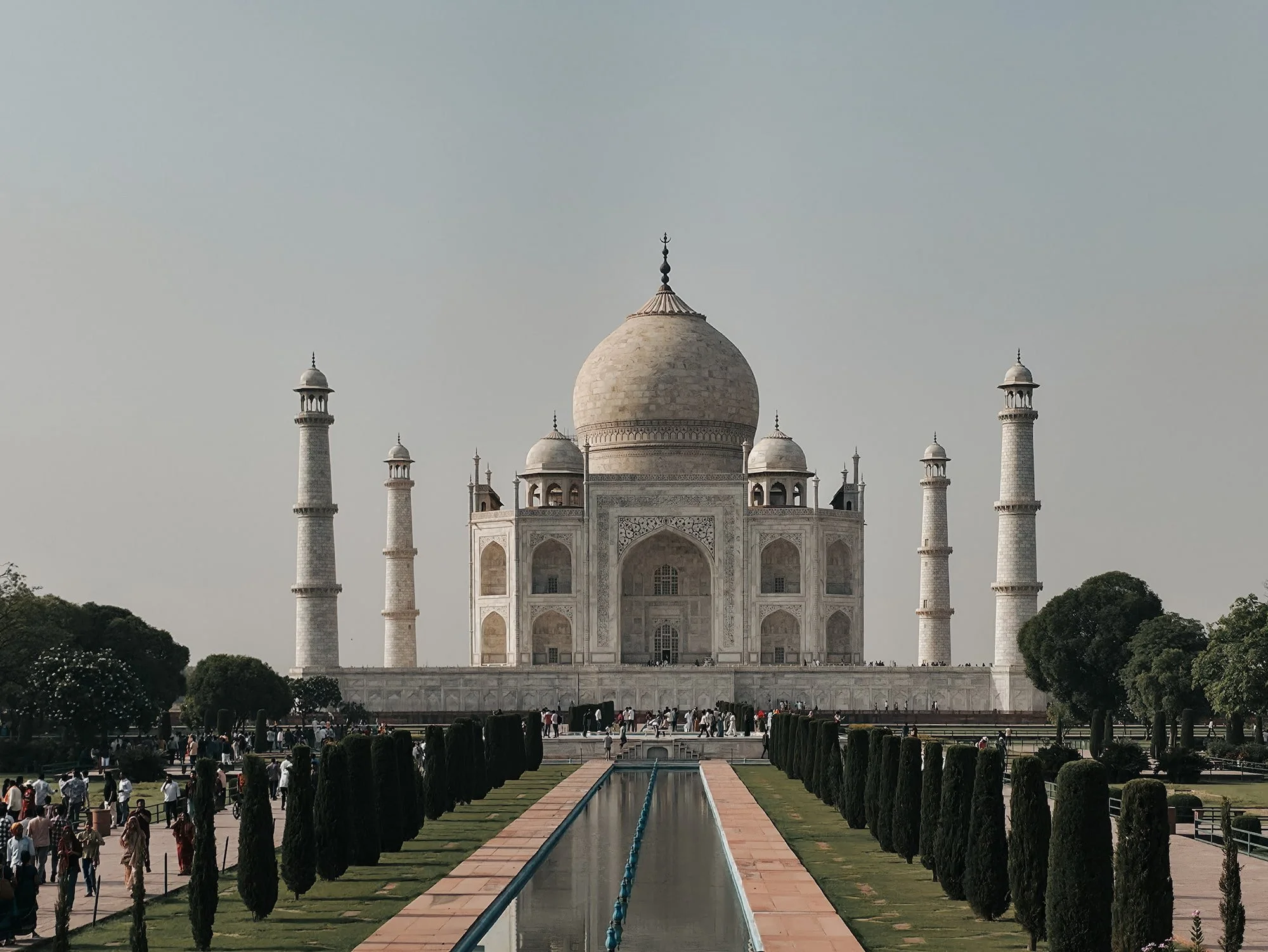
The Taj Mahal is one of those buildings you've seen in so many photos that you're almost certain you know what it looks like. And then you actually see it.
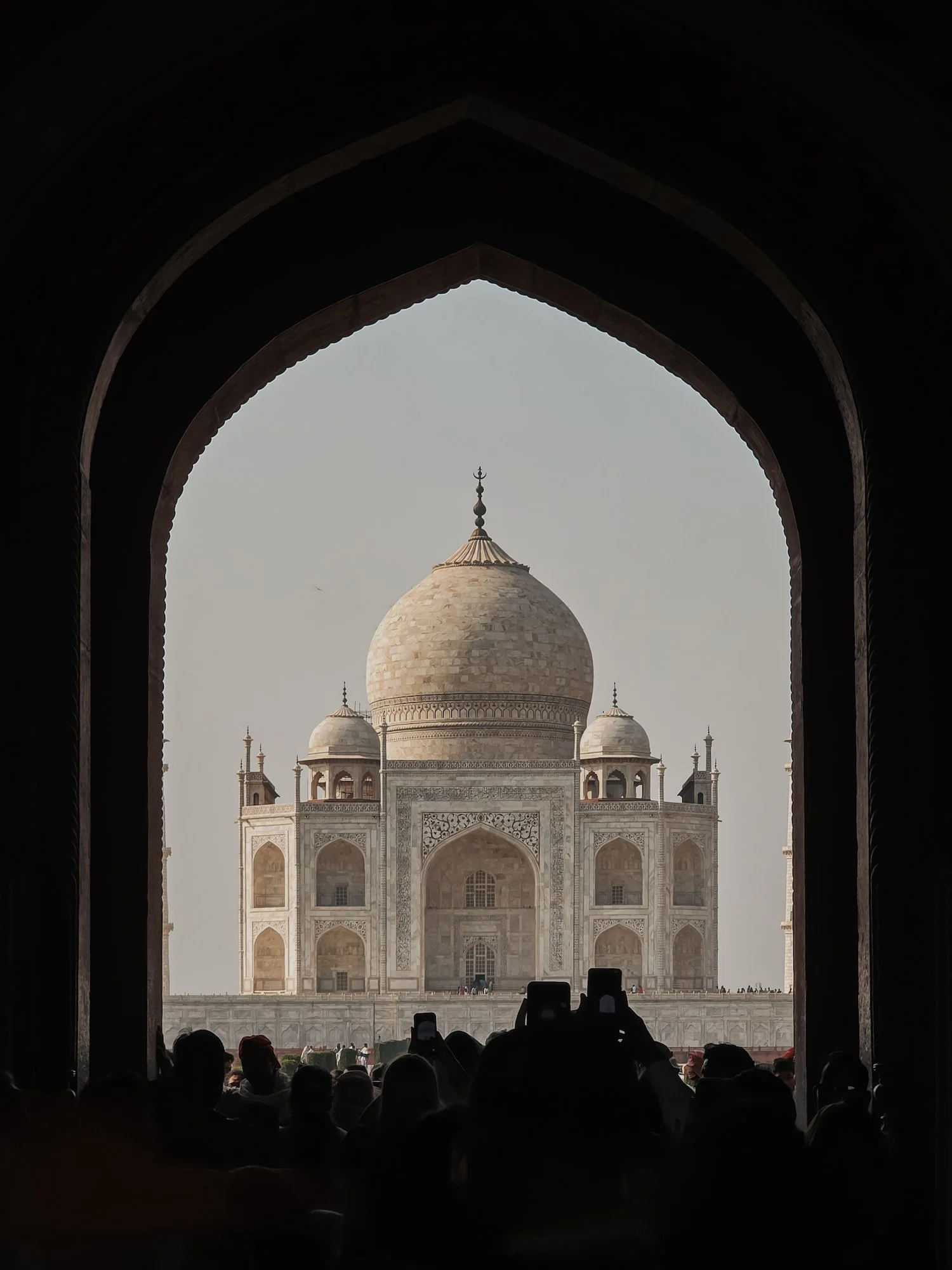
Built by Mughal emperor Shah Jahan in memory of his wife Mumtaz Mahal, the Taj Mahal is a white marble mausoleum in Agra, India, completed in 1653. The symmetry, the inlaid detail work, the reflecting pools, the way the building changes color as the light shifts throughout the day, it's the kind of place where photographs are almost beside the point, because being there in person is something else entirely.
What I'd recommend: Arrive at sunrise if you can. It's cooler and quieter, and the building undergoes a remarkable shift in color as the sun comes up. If photography matters to you, the light in the first hour is worth the early alarm. If you’re planning your own trip, my India travel guide covers the basics for building an itinerary.
Still to Go: Christ the Redeemer, Brazil
Status: 1 of my final 2
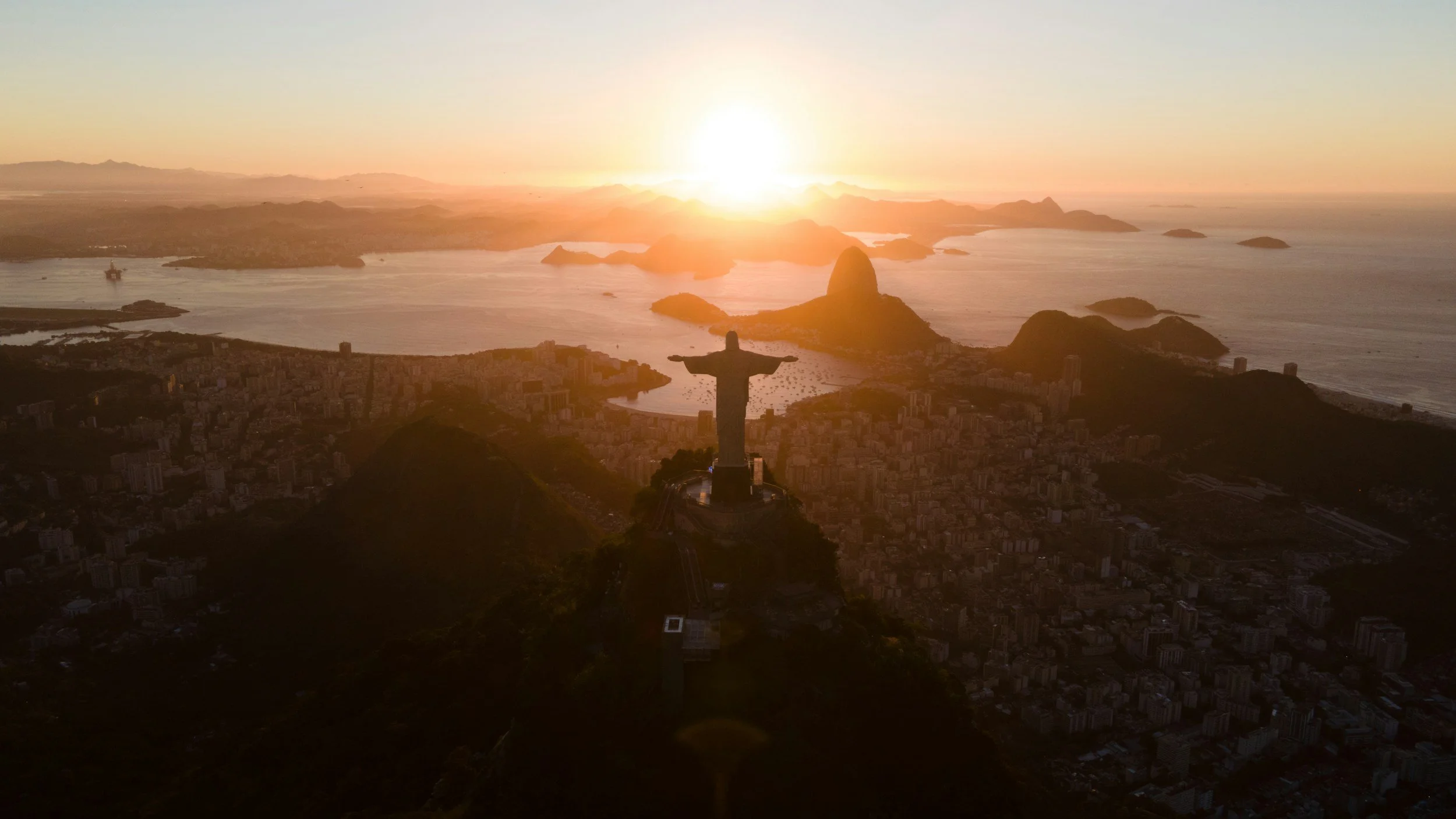
Standing high above Rio de Janeiro on Corcovado Mountain, Christ the Redeemer is one of the most recognizable landmarks in South America. The Art Deco statue, completed in 1931, overlooks Rio with its arms outstretched above the city, and from the top, you're also surrounded by views of Sugarloaf Mountain, the coastline, and the surrounding mountains.
This one is next on my list. I'll update this section once I've made the trip, with everything I learn from planning and visiting.
Still to Go: Machu Picchu, Peru
Status: 1 of my final 2
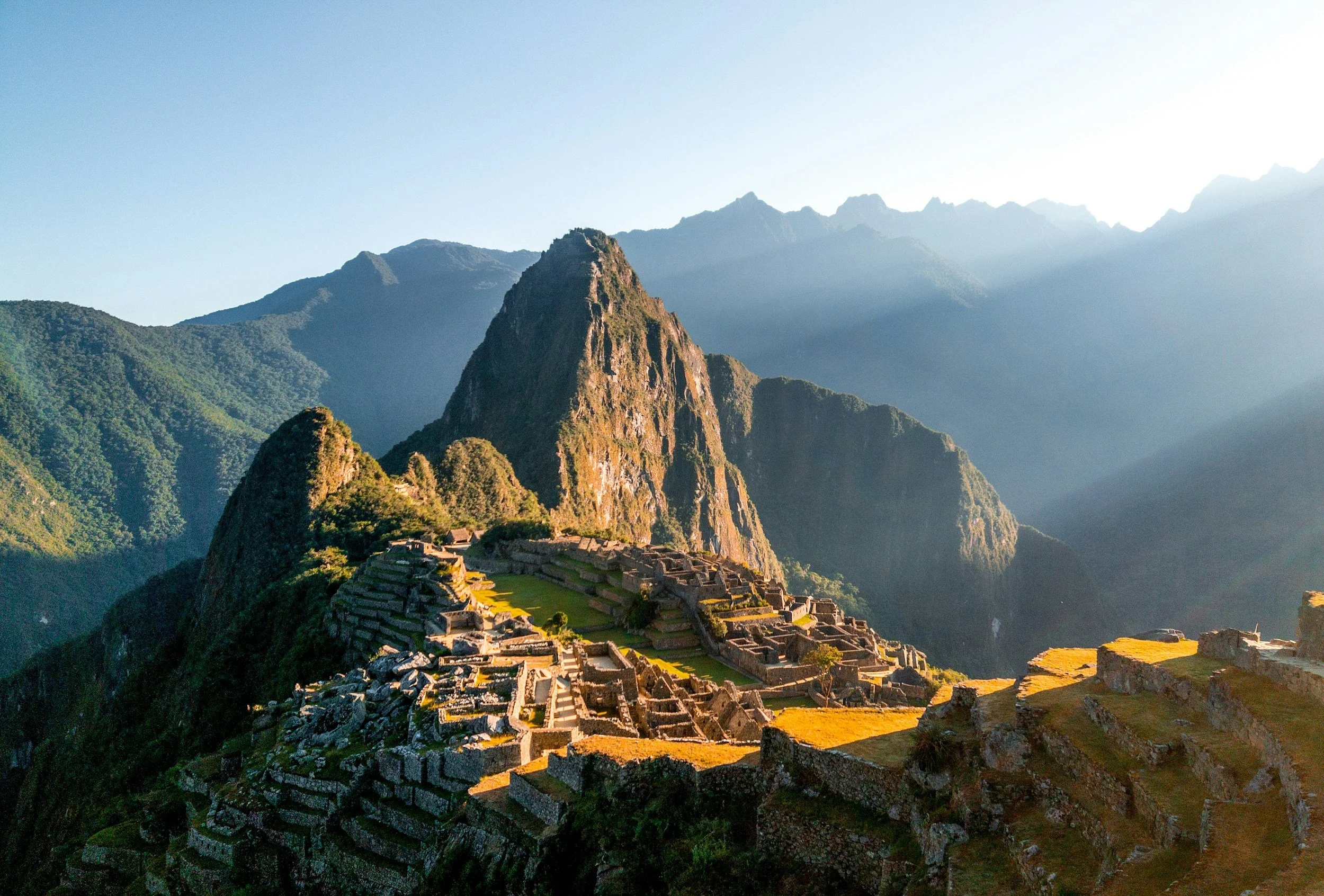
Machu Picchu is the 15th-century Inca citadel set high in the Andes, and it's the final Wonder I still need to visit. It's also probably the most logistically complex of the seven.
Unlike the Colosseum, which you can fit into a few days in Rome, Machu Picchu requires real planning: getting to Peru, traveling to Cusco and the Sacred Valley, accounting for altitude, and then figuring out how you're actually getting up the mountain. Whether that means the Inca Trail, another trekking route, or a train-and-bus combination. It deserves more breathing room than a rushed long weekend.
This will be Wonder number six or seven, depending on which trip comes together first. Either way, one of these two will eventually become the finish line.
Can You Visit All Seven Wonders of the World?
Absolutely, and the bigger challenge isn't access. It's figuring out how to spread seven very different destinations across whatever time and budget you realistically have.
Most of us can't disappear for six months. But you don't need to. Start with the Wonder that naturally fits a trip you're already planning to take. Let the list build from there. The goal isn't to race through all seven. It's to let it take you somewhere new.
Which Seven Wonders Should You Visit First?
There's no right answer, but here's a practical way to think about it:
Best for a short city trip: The Colosseum — it fits naturally into a few days in Rome.
Best for a warm-weather vacation: Chichén Itzá — easy to add to a Mexico itinerary.
Best as a standalone adventure: Petra or Machu Picchu — both reward dedicated trips.
Best for combining with a larger country: The Great Wall, the Taj Mahal, and Petra all anchor incredible multi-destination itineraries.
Best if Rio is already on your list: Christ the Redeemer checks itself off.
Start where you can. The list takes care of itself from there.
What About the Original Seven Wonders of the Ancient World?
The New Seven Wonders are not the same as the Seven Wonders of the Ancient World. The original list, compiled by ancient Greek scholars, included the Great Pyramid of Giza, the Hanging Gardens of Babylon, the Statue of Zeus at Olympia, the Temple of Artemis, the Mausoleum at Halicarnassus, the Colossus of Rhodes, and the Lighthouse of Alexandria. Of those seven, only the Great Pyramid of Giza still survives substantially intact.
The New Seven Wonders were chosen in part to give the modern world a version of that list made up of sites people can actually visit today. That's what makes them such a compelling bucket list; they're not just famous. They're real, they're there, and they're waiting.
Have you visited any of the New Seven Wonders? If you could pick just one to see next, which would it be?
Happy travels.


I’m on a mission to visit all seven New Wonders of the World. Here’s how I’ve made it to five so far, what I learned along the way, and the two still left on my list.