

How I Afford to Travel While Working Full-Time
This post may contain affiliate links. If you make a purchase through one of these links, I may earn a small commission at no additional cost to you.
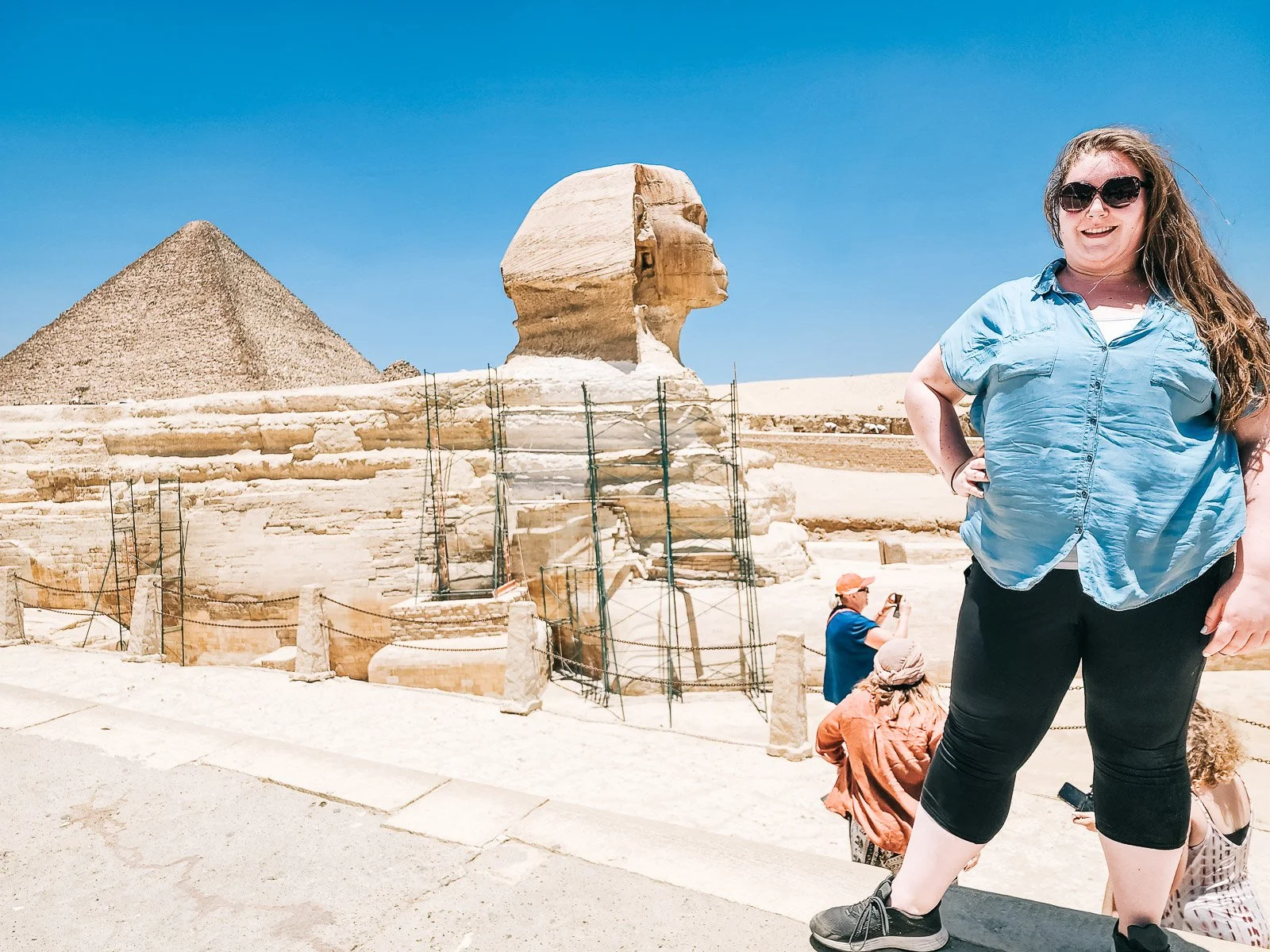
One of the questions that naturally comes up when you travel often is how you actually afford to keep doing it. I understand why. Travel can get expensive very quickly, especially when international flights, hotels, rental cars, food, activities, and all the smaller costs start stacking up. I also have a full-time job, normal financial responsibilities, and plenty of things competing for the same money that could otherwise go toward another trip.
I am not traveling because I figured out some secret way to make vacations free, and I am definitely not living out of a backpack for $20 a day. Travel is simply one of the things I genuinely care about, so I make room for it intentionally.
That probably sounds very accountant-like, which is fair. I work in accounting full-time, personal finance is one of my favorite subjects, and I have a hard time separating that part of my brain from the way I travel. I want to know what something costs, whether I can afford it, where the money is going, and whether I actually think it is worth spending.
At the same time, I do not want every trip to become an exercise in spending as little as humanly possible. I want to stay somewhere comfortable, eat food I am excited about, visit the places I traveled across the world to see, and occasionally spend more on an experience simply because I really want to do it.
For me, travel budgeting is about finding the balance between those two things. I save deliberately, decide what I can realistically spend, cut costs where they do not matter much to me, and leave room in the budget for the things that do. That is how I make travel work financially while still working a normal full-time job.
At a Glance
I Treat Travel Like a Real Budget Category
The biggest difference between wishing I could travel more and actually making trips happen is that I do not treat travel as an accidental expense. If travel only happens when there happens to be enough money left at the end of the month, there is a good chance something else will always find a way to use that money first. There is always another bill, another purchase, another home expense, or something completely unexpected.
Travel has to compete with all of those things, so I treat it like an actual financial goal. That does not mean travel comes before everything else. It means I acknowledge that it is something I want to spend money on and plan accordingly. The same way someone might intentionally save for a home renovation, a new car, or another large purchase, I think about upcoming travel before the trip suddenly appears on my credit card statement.
Once I started looking at travel that way, the question changed from, "How am I going to pay for this vacation?" to, "How much money am I comfortable allocating toward travel?" Those sound similar, but from a financial standpoint, they are very different questions.
I Think About Travel Over the Entire Year
I do not think each trip exists in its own little financial universe. If I know I want to take several trips in a year, I need to think about how they fit together. Spending significantly more on one trip may mean spending less on another, taking a shorter weekend trip instead of a longer one, or waiting a little longer before booking the next big international trip.
This helps me avoid focusing on a single expense and deciding whether I can technically afford it without considering everything else I want to do. A $1,000 flight might fit within my budget on its own. So might a $1,500 hotel stay. So might another trip a few months later. The more important question is whether all of those choices still make sense when I look at the entire year.
I like having a general idea of what travel I am considering before I commit too much money to any one trip. Plans obviously change, and I am never going to have every vacation perfectly mapped out on January 1, but knowing that I want one larger international trip, a few long weekends, or another expensive destination later in the year affects what I am willing to spend now.
Travel becomes much easier to manage when I stop treating every booking as an isolated decision.
I Save for Travel Before I Need the Money
One of the simplest ways to make travel less financially stressful is to start saving before you have a specific bill sitting in front of you. You do not necessarily need to know exactly where you are going. If travel is something you know you want to do, you can start building money for it before the destination is decided.
A dedicated travel savings account or sinking fund can make this much easier because the money is earmarked for a specific purpose. Instead of trying to find $2,000 all at once when you decide to book a trip, you have been gradually setting money aside over time.
The amount does not have to be dramatic. Building a consistent savings habit matters much more. Saving $50, $100, $200, or whatever realistically fits your monthly budget gives future-you something to work with when a trip opportunity arises. The appropriate amount varies for everyone, which is why I do not like financial advice that assumes there is a single magic percentage everyone should spend on travel.
Your travel budget has to work with your actual life. The important part is making the savings intentional rather than hoping the money appears later.
I Decide What I Can Afford Before I Fall in Love With the Trip
This is not always the fun part. It is extremely easy to start planning a trip, find a beautiful hotel, discover three expensive experiences you want to book, convince yourself that you absolutely need the upgraded rental car, and only then add it all up. At that point, you are emotionally invested in the expensive version of the trip. I would much rather have a rough spending limit before I get too far into planning.
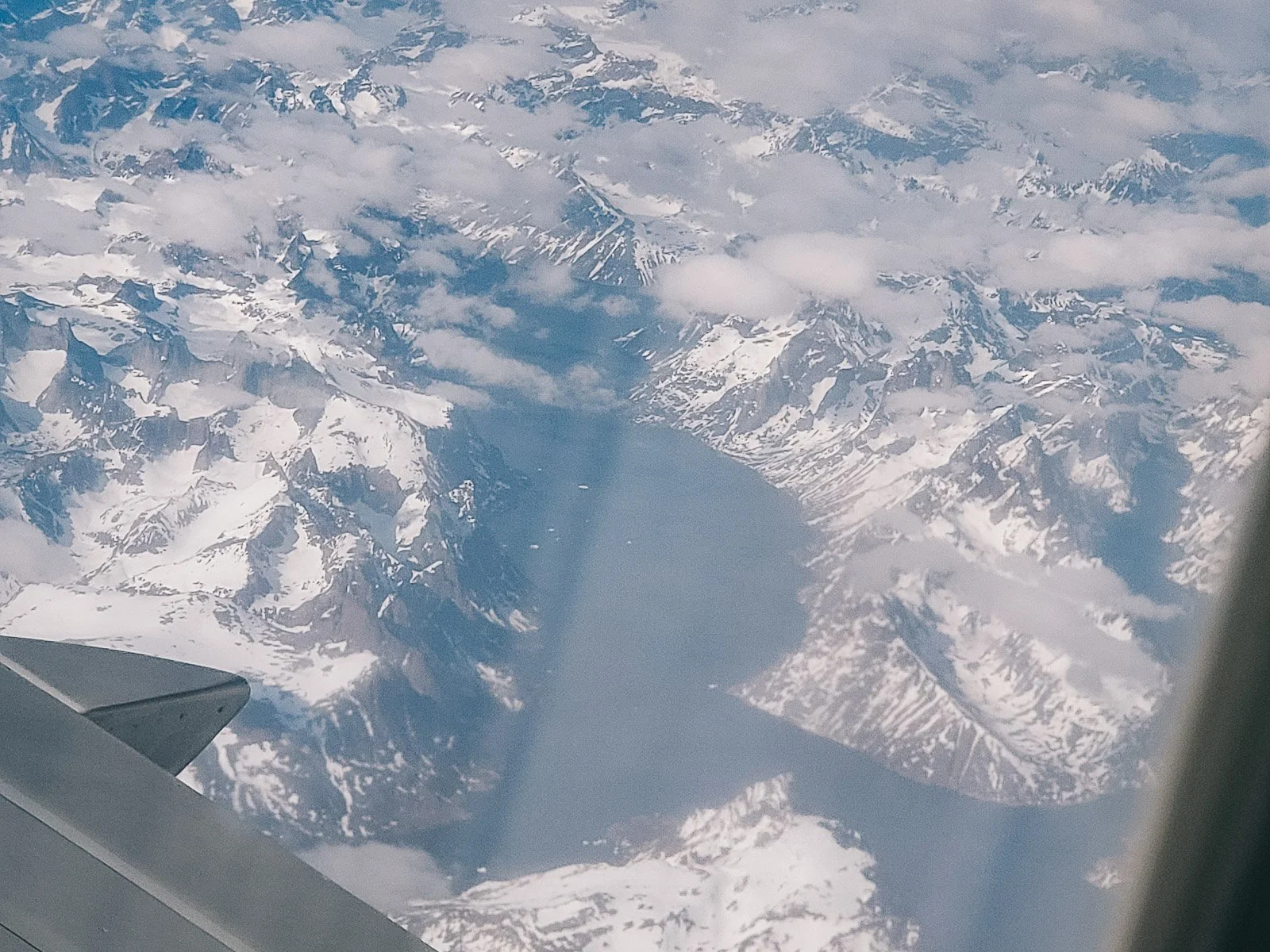
That does not necessarily mean I know the exact final budget immediately. I might start with a range and adjust it once I understand what the destination actually costs. Iceland, for example, has a completely different cost structure from that of a destination where hotels, meals, and transportation are substantially cheaper.
What matters is knowing roughly where my financial boundary is before I start treating every interesting option as something I have to book. If my comfortable budget is $3,000, building a $5,500 itinerary and hoping I somehow make the numbers work later is not really budgeting.
Sometimes the answer is to modify the trip. Maybe I can shorten it by a day, stay somewhere less expensive, choose one paid experience instead of three, or move the trip to a different time of year. Sometimes the answer is simply to keep saving. I would rather change the plan before the trip than spend months afterward wishing I had.
I Save on the Things I Do Not Care About
This is probably the part of travel budgeting that has the biggest effect on how I personally travel. I do not need every part of a vacation to be special. If I do not care very much about breakfast, I do not need a $35 hotel breakfast every morning just because I am on vacation. I can grab coffee and something inexpensive, buy groceries, or eat a simple meal, and put that money toward something else. I do this on road trips, too. In Iceland, for example, I usually recommend picking up groceries before leaving Reykjavík so every meal does not have to become a restaurant expense. I include that stop in my 3-day Iceland itinerary.
I do not automatically need the largest rental car, the most expensive hotel room, premium airport transportation, or a reservation at a popular restaurant every night. That does not make those purchases bad. They just need to matter to me before I want to spend money on them.
The same principle works in the other direction. If there is an experience I have been looking forward to for years, I do not automatically skip it because it costs $150. I would much rather spend $150 on one thing I will genuinely remember than slowly spend the same amount on upgrades, snacks, shopping, and random purchases that I did not particularly care about. That is probably the simplest way to describe how I budget for travel: save where I do not care, spend where I do.
I Am Not Trying to Take the Cheapest Trip Possible
For a long time, "budget travel" seemed to mean finding the absolute cheapest possible way to do everything. Cheapest flight. Cheapest accommodation. Cheapest transportation. Cheapest food. There is nothing wrong with traveling that way if that is what allows you to travel, and there are absolutely times when the cheapest option is also the best option.
I just do not think spending the least amount of money should automatically be the goal.
My goal is value. A $60 hotel that makes me miserable is not automatically a better financial decision than a $100 hotel I am comfortable staying in. A cheap experience I do not care about is still wasted money. A more expensive activity that becomes one of my favorite memories from the trip may be worth every dollar.
This is why I describe my own travel style as more mid-range than shoestring. I am still paying attention to price, but I am not trying to win an imaginary competition for who can visit a country for the least amount of money. I want the trip to be financially responsible and enjoyable. Those things can exist together.
I Look at the Real Cost of a Trip
The plane ticket is not the trip budget. Neither is the hotel. Before I book anything significant, I want at least a rough idea of what the entire trip will cost. That includes the obvious categories such as flights, accommodations, transportation, food, and activities, but I also think about the smaller expenses that are easy to ignore while you are excited about booking.
Rental car insurance can affect the cost of a road trip. Parking adds up. So do tolls, baggage fees, public transportation, airport transfers, tips, resort fees, local taxes, foreign transaction fees, and all those random little purchases that somehow appear once you are actually traveling. None of those expenses looks especially scary by itself. Together, they can add hundreds of dollars.
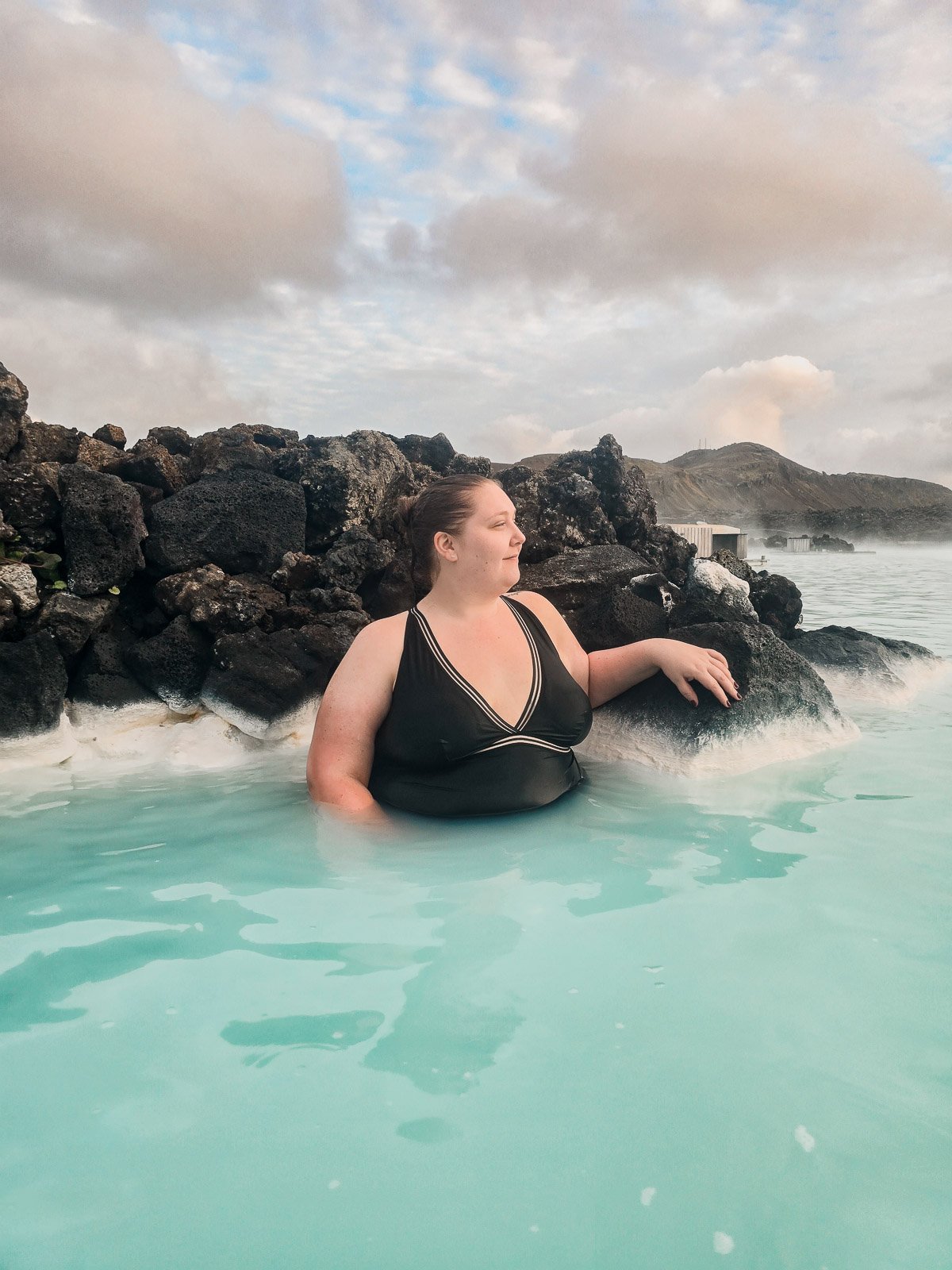
I would rather know that before I leave than spend the trip wondering why the credit-card balance is climbing faster than I expected. Iceland is a good example of this because the final cost includes much more than flights and hotels. I break down flights, accommodations, rental cars, gas, food, parking, activities, and the smaller expenses in my Iceland trip cost guide. This is also why I like building realistic destination budgets rather than publishing an unrealistically low number just because it sounds impressive. A useful travel budget should include the boring costs too.

I Keep Small Expenses From Becoming Invisible
Small travel purchases are dangerous because they rarely feel important in the moment. Ten dollars here, $18 there, another coffee, a snack at the airport, parking, a souvenir, a ride instead of walking, another drink with dinner. None of those purchases is likely to destroy a travel budget on its own. The problem is that they are easy to stop noticing.
I do not want to spend an entire vacation obsessively tracking every coffee, because that is not enjoyable either. I just like having enough awareness that I know roughly where the money is going. This becomes especially useful when I am planning future trips.
If I thought food would cost $300 and actually spent $600, I want to understand why. Maybe my original estimate was unrealistic. Maybe the destination was more expensive than I expected. Maybe I ate at several restaurants I had not originally planned. That information makes my next budget better.
Travel budgeting gets easier the more real information you have from your own trips, rather than relying entirely on what someone else says you should spend.
Credit Card Rewards Are a Tool, Not Free Money
Travel points and credit-card rewards can absolutely reduce the cash cost of a trip. They can also encourage people to spend money they would not otherwise spend.
I think rewards are useful when they fit into spending you were already going to do and when the card itself makes financial sense for you. A signup bonus, airline miles, hotel points, or cash back can help offset travel costs, but none of those things make a purchase free.
If you spend an additional $1,000 just to earn $20 worth of rewards, you did not save $20. You spent $980 more than you needed to.
Interest makes the math even worse. Carrying a balance at a high interest rate can easily cost far more than the value of the points or miles you earned.
I also think annual fees need to be evaluated honestly. A card with a $500 annual fee is not automatically worth having, even though its marketing page claims it includes $800 in benefits. Those benefits are only worth something if you would actually use them.
Points can be a great tool. They are not a replacement for having a travel budget.
I Do Not Let Travel Replace Every Other Financial Goal
I love traveling. I also do not think traveling is the only thing money is for. There are plenty of other financial priorities that matter, including emergency savings, retirement, housing, debt, investing, everyday living expenses, and whatever other goals are important in your life. Travel has to fit alongside those things.
That balance will look completely different for different people, and it will probably change throughout your life. There may be years when travel takes a larger share of your discretionary money, and years when something else needs to come first. That is normal.
I do not think you need to choose between caring about your financial future and caring about experiences now. Personal finance is ultimately about deciding what you want your money to do for you, and travel is one of the things I value. The important part is making that choice consciously.
Sometimes the Financial Answer Is to Wait
This is probably the least exciting travel advice I could give you, but sometimes I simply cannot justify a trip yet. Maybe airfare is unusually expensive. Maybe I already have another big trip planned. Maybe the amount I would need to spend would take money away from something else that currently matters more.
Waiting does not mean I will never go. It might mean traveling six months later, changing the destination, shortening the trip, or saving longer so I can take the trip I actually want. I would rather wait than force something into my finances simply because I feel like I should be traveling constantly.
Travel blogs and social media can make it seem as though everyone is permanently on a plane. That is not real life for most people, especially people with normal full-time jobs. There are periods when I travel a lot and periods when I do not. Both are fine.
I Also Try to Avoid Lifestyle Creep While Traveling
Travel has its own version of lifestyle creep. You take one trip and stay in a nicer hotel. The next time, that level of hotel starts feeling normal. You upgrade the seat once, book a more expensive rental car, and start adding private transfers, and suddenly the trip you used to take for $2,500 feels impossible to do for less than $5,000.
There is nothing wrong with upgrading your travel style as your finances change, but I like being aware when an upgrade has quietly turned into an expectation. I ask myself whether I actually value the more expensive option or whether I have simply gotten used to it. Sometimes I absolutely do value it. Other times, I am perfectly happy to return to the cheaper option and put the difference toward the next trip.
I Keep the Money Part Separate From the PTO Part
Affording a trip and finding the time for it are related, but they are not the same problem. The financial side answers questions like how much I can comfortably spend, how long I need to save, what I am willing to splurge on, and where I should cut back.
Once I know the trip makes sense financially, then I start figuring out how to make it work around a full-time job. That involves the flights, routing, hotel locations, transportation, daily schedule, and all the other logistics that determine whether I am using my limited vacation time well.
I go through that entire process separately in How I Plan a Trip Around Limited PTO, because trying to cover both money and time in one article would turn into a small novel.
What I Do Before Booking a Big Trip
Before committing to a larger trip, I try to answer a few basic questions.
Do I have the money available, or a realistic plan to save it before the trip?
What will the entire trip probably cost, not just the flight?
Does this amount fit with my other travel plans for the year?
Am I taking money away from something more important?
What parts of the trip do I genuinely care about enough to spend more on?
Where could I reasonably save without making the trip worse?
Would I still feel comfortable with the cost if the trip ended up slightly more expensive than expected?
If I can answer those questions comfortably, I feel much better clicking the booking button. I am not trying to eliminate every financial surprise. Travel will always find some new fee I apparently forgot existed. I just do not want the entire cost of the trip to be a surprise.
What “Budget Travel” Means to Me Now
My definition of budget travel has changed a lot. I do not think it means sleeping in the cheapest room available, eating the least expensive food possible, or skipping every paid attraction. For me, budgeting means knowing what I can afford and deciding how I want to use that money.
Sometimes that means choosing the cheaper hotel. Sometimes it means paying more for the hotel and saving somewhere else. Sometimes I eat something inexpensive from a grocery store, and sometimes I make a reservation because the restaurant itself is part of the experience I want. Sometimes I skip a paid attraction because I genuinely do not care about it, and sometimes I spend more than I expected because I know I will regret missing something.
The goal is not to return home having spent the least. The goal is to return home feeling like the money I spent actually improved the trip.
Final Thoughts
I do not afford travel because I found one magical budgeting trick. There is no single app, credit card, loyalty program, or savings hack that suddenly makes international travel inexpensive.
For me, it is mostly a collection of fairly ordinary financial decisions made consistently over time. I treat travel as a real goal, save before I need the money, pay attention to what trips actually cost, and try to be selective about where I spend more.
I also accept that travel has to exist alongside the rest of my financial life. Sometimes I can take the trip I want right away, sometimes I modify it, and sometimes I wait. That does not make travel less important to me. It is exactly what makes traveling regularly sustainable. I would rather take trips for years than spend recklessly trying to take every possible trip right now.
And ultimately, that is what my version of travel budgeting is about: spending less on the things I do not care about so I have more room for the experiences I do. Looking for more help planning the money side of your travels? You can find all of my travel budgeting and money guides in Travel Money.





Want to visit the real Hocus Pocus filming locations? Follow this self-guided tour through Salem and nearby Marblehead to see Allison's house, Max and Dani's house, their school, Old Town Hall, Pioneer Village, Old Burial Hill, and more.