

Iceland Hot Springs & Geothermal Pools: A Complete Guide
This post may contain affiliate links. If you make a purchase through one of these links, I may earn a small commission at no additional cost to you.
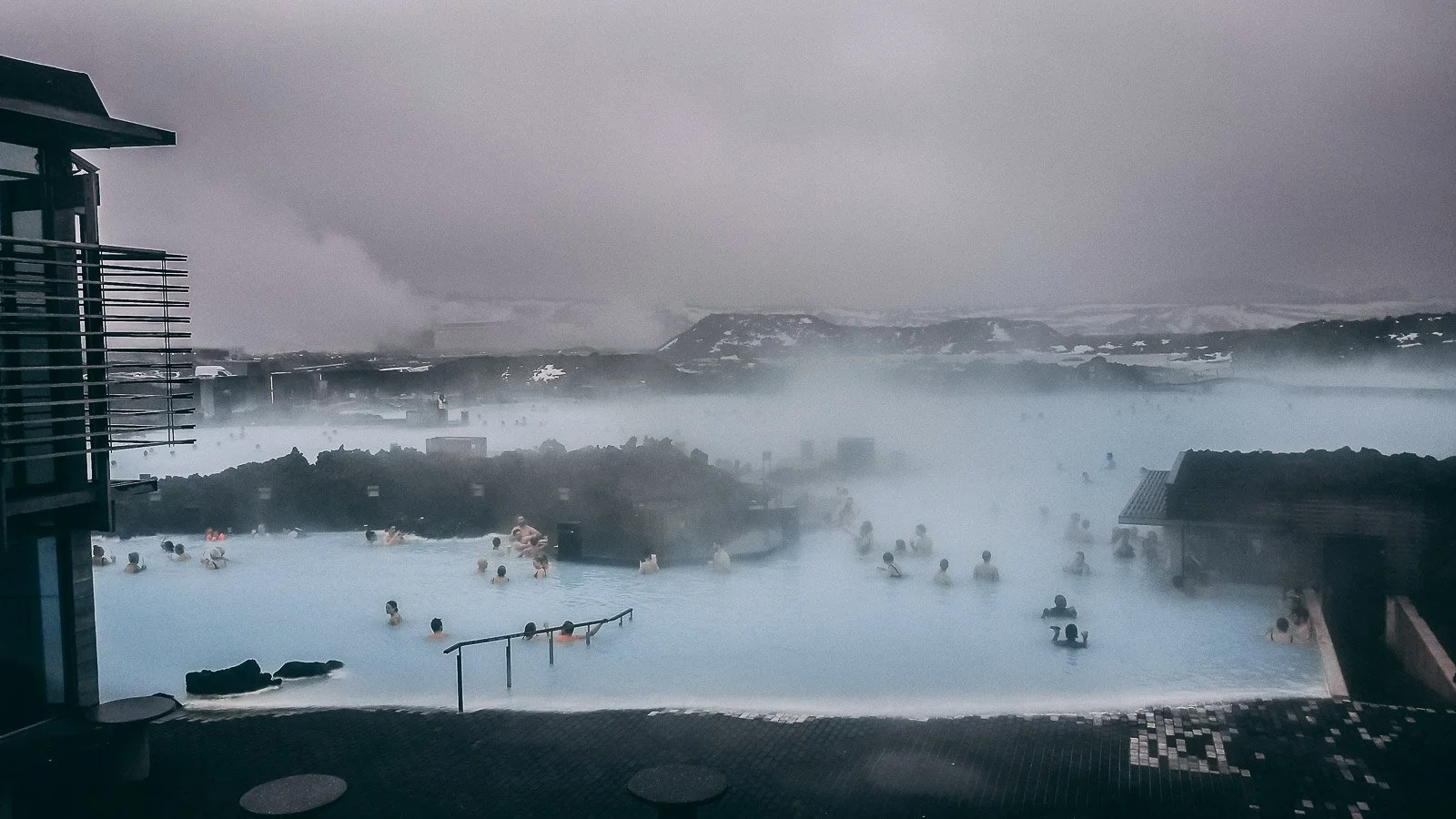
One of my favorite parts of traveling around Iceland is how easy it is to end a long day of exploring by getting into warm geothermal water.
But not all of Iceland's hot springs and pools offer the same experience.
You can spend a few hours at a polished geothermal lagoon with changing rooms, restaurants, swim-up bars, and spa facilities. You can hike through a geothermal valley to bathe in a naturally heated river. You can visit a historic pool tucked between mountains. Or you can do what Icelanders do and spend an evening soaking in the hot tubs at a local public swimming pool.
I've included all of those experiences in this guide because I don't think you need to choose just one type.
Whether you're planning your first visit to the Blue Lagoon, looking for a hot spring along the Golden Circle, driving Iceland's Ring Road, heading into the Highlands, or exploring the remote Westfjords, there is probably a geothermal stop that fits naturally into your trip.
At a Glance
Not All Iceland Hot Springs Are the Same
Before deciding where to go, it helps to understand what kind of experience you're actually looking for.
Geothermal spas and lagoons are developed attractions, such as the Blue Lagoon, Sky Lagoon, Hvammsvík, Laugarás Lagoon, and Earth Lagoon in Mývatn. These generally have proper changing rooms, showers, lockers, and other amenities. Some also have restaurants, swim-up bars, saunas, cold plunges, spa treatments, or private changing areas.
Natural and rustic bathing spots offer a much simpler experience. Reykjadalur requires a hike before you reach the warm river, while Landmannalaugar combines geothermal bathing with a trip deep into the Icelandic Highlands.
Public swimming pools are an entirely different experience. Swimming pools and hot tubs are part of everyday life in Iceland, and visiting one is an inexpensive way to experience Icelandic bathing culture without paying destination-spa prices.
I think all three types are worth considering. The right choice depends on your route, budget, available time, and whether you want a spa day or simply somewhere warm to sit after spending the day outside.
Why Does Iceland Have So Many Hot Springs?
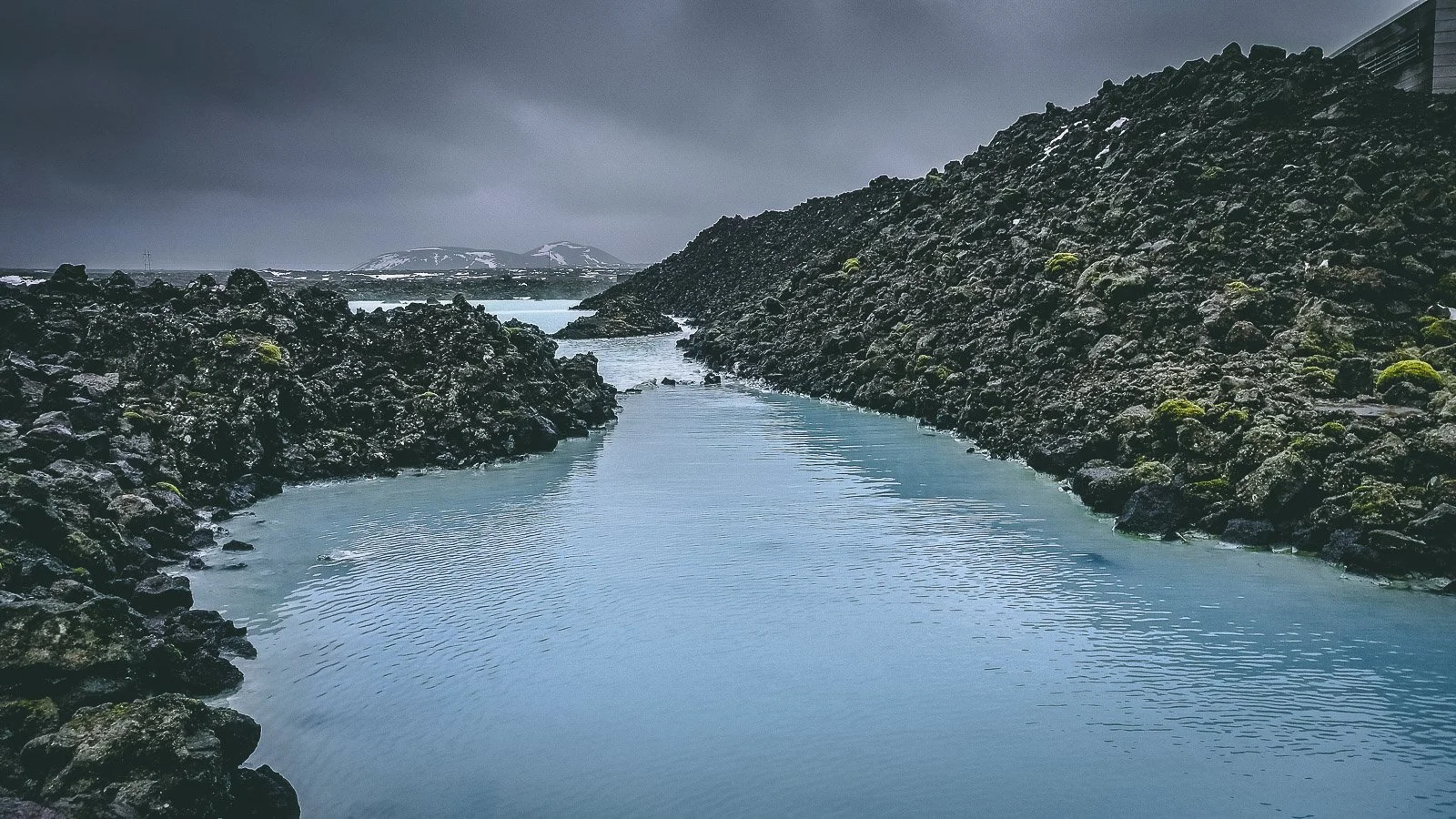
Iceland's location makes it one of the most geologically active places in the world. It sits along the Mid-Atlantic Ridge, where the North American and Eurasian tectonic plates are moving apart, and volcanic activity supplies enormous heat beneath the surface. Groundwater can be heated underground and return toward the surface as hot springs, steam, mud pools, and other geothermal features.
That geothermal energy is used for much more than tourism. Throughout Iceland, geothermal resources are used to heat homes, swimming pools, greenhouses, and other facilities. For travelers, the most enjoyable result might be the country's seemingly endless opportunities to get into warm water while surrounded by some pretty incredible scenery.
One important warning: Steaming water does not automatically mean it is safe for bathing. Some geothermal pools, streams, and mud can be hot enough to cause severe burns. Stay on marked paths in geothermal areas, and enter water only where bathing is permitted.
Geothermal Spas & Lagoons in Iceland
Blue Lagoon
Plan Your Visit | View on Google Maps
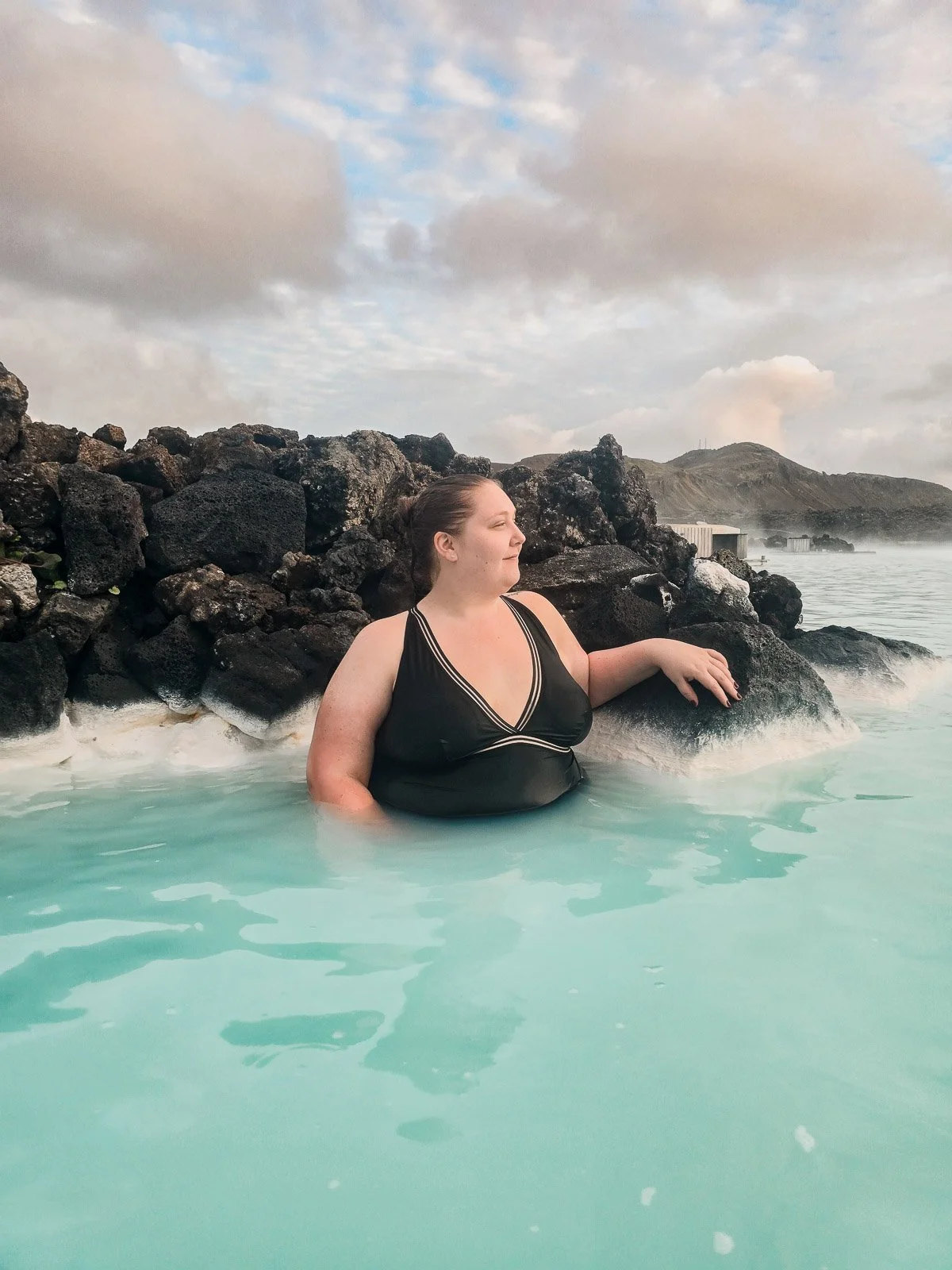
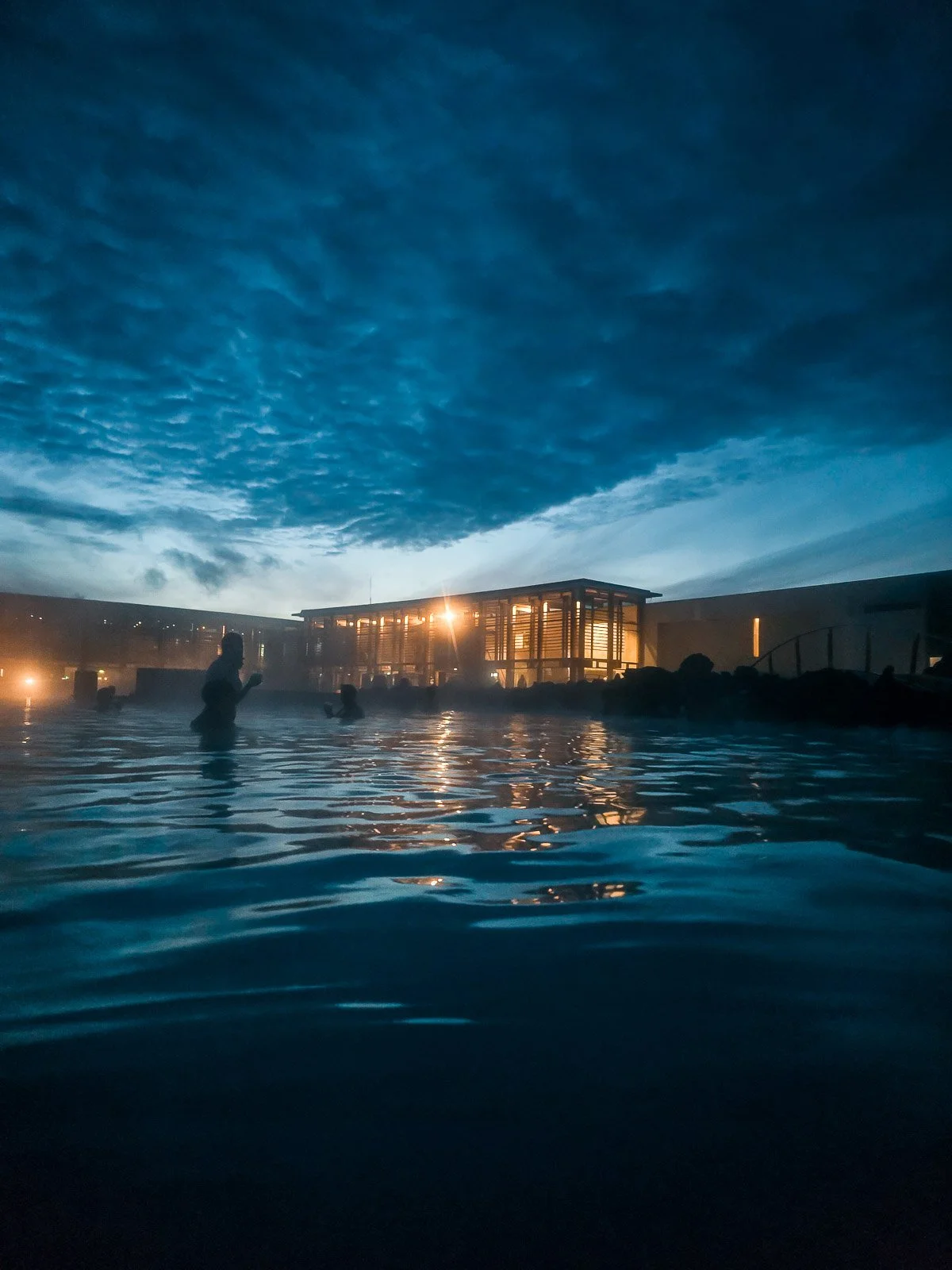
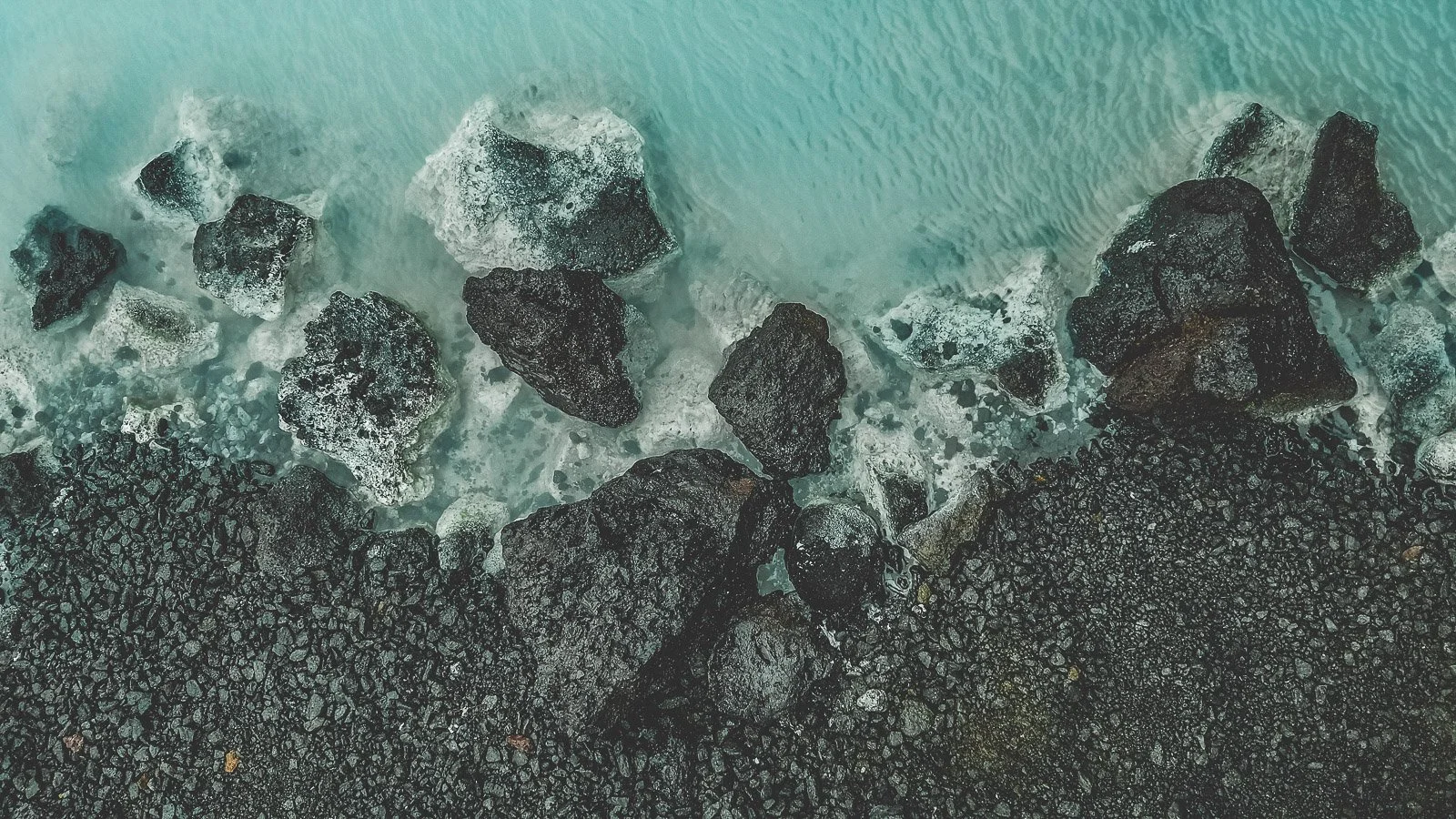
The Blue Lagoon is easily Iceland's most recognizable geothermal spa. Located on the Reykjanes Peninsula between Reykjavík and Keflavík International Airport, the lagoon is known for its milky-blue geothermal seawater, surrounded by dark volcanic rock. The water contains silica, algae, and minerals that contribute to its distinctive appearance.
The Blue Lagoon is a fully developed destination rather than a natural pool you stumble across while hiking. Depending on your admission package, the experience can include the lagoon, masks, sauna and steam facilities, drinks, dining, and other amenities.
I would definitely book your visit in advance. Blue Lagoon currently considers prebooking essential, and once you're inside, admission lets you enjoy the lagoon for the rest of your visit rather than limiting you to a short bathing window.
Personally, I find that around 1 to 2 hours actually in the water is usually plenty for me, although your entire visit will take longer once you include changing, showering, eating, and any additional facilities you want to use.
What I'd Recommend
Blue Lagoon works especially well at the beginning or end of an Iceland trip because of its location near Keflavík Airport. If your arrival or departure time works, I would rather pair it with an airport day than take several hours away from the middle of a packed sightseeing day.
Conditions and access on the Reykjanes Peninsula can change, so check Blue Lagoon's current operating information before heading there.
Sky Lagoon
Plan Your Visit | View on Google Maps
Sky Lagoon gives you a polished geothermal spa experience without traveling far from Reykjavík. Located in Kópavogur, just outside the city center, the lagoon sits beside the North Atlantic and is designed so that the water appears to extend toward the ocean.
One of the biggest differences between Sky Lagoon and some of Iceland's other spas is the Skjól Ritual, a seven-part bathing experience that moves from the warm lagoon through a cold plunge, sauna, cold mist, body scrub, steam room, and a final Icelandic drink.
What I'd Recommend
Sky Lagoon makes the most sense if you're staying in Reykjavík and want an upscale spa experience without adding a major drive.
If you're comparing it with Blue Lagoon, I wouldn't necessarily think of one as replacing the other. Blue Lagoon offers Iceland's most iconic geothermal spa experience, while Sky Lagoon has a more intimate oceanside setting and an added ritual.
Hvammsvík Hot Springs
Plan Your Visit | View on Google Maps
Hvammsvík Hot Springs is one of the strongest choices if you want beautiful scenery while still having the conveniences of a developed facility. Located along Hvalfjörður, around a 45-minute drive from Reykjavík, Hvammsvík has eight geothermal hot springs positioned beside the Atlantic Ocean and surrounded by mountains and black beaches. The facility also includes changing rooms and additional wellness amenities. Advance booking is recommended.
What I'd Recommend
If your priority is a nature-focused setting without giving up proper facilities, Hvammsvík would be high on my list. It's especially convenient if you're already heading toward West Iceland, as you can build it into the road trip rather than make it a separate day trip from Reykjavík.
Secret Lagoon
Plan Your Visit | View on Google Maps
The Secret Lagoon near Flúðir, or Gamla Laugin, is a completely different experience from Iceland's newer luxury spas. The swimming pool was created in 1891, making it Iceland's oldest swimming pool. Geothermal springs continuously supply warm water to the lagoon, which generally ranges from 38 to 40°C (100 to 104°F). The facility has retained a much simpler feel than Blue Lagoon or Sky Lagoon.
What I'd Recommend
Secret Lagoon works really well if you're already driving the Golden Circle and want a geothermal stop without turning the entire day into a spa day. I would choose it if you want something simpler and more traditional than the newer destination lagoons.
Laugarvatn Fontana
Plan Your Visit | View on Google Maps
Laugarvatn Fontana sits directly beside Lake Laugarvatn along the Golden Circle. The current facility combines geothermal pools, naturally heated steam rooms, lake access, and one of Iceland's more interesting geothermal traditions.
Fontana also offers its geothermal bakery experience, where traditional Icelandic rye bread is baked underground using geothermal heat. Visitors can see the bread uncovered from the hot ground and taste it afterward. The facility completed a major renovation in 2026.
What I'd Recommend
Fontana makes sense if you want your Golden Circle hot-spring stop to include more than simply sitting in a pool.
If you're choosing between Fontana and Secret Lagoon, I would think of it this way:
Secret Lagoon is the simpler and more historic experience.
Fontana offers a more developed wellness experience with steam rooms, lake access, and a geothermal bakery.
If you're planning the rest of the route, my Iceland's Golden Circle: A Detailed Self-Drive Guide breaks down the major stops, drive times, and how much time I would actually spend at each one.
Laugarás Lagoon
Plan Your Visit | View on Google Maps
Laugarás Lagoon offers the Golden Circle another distinct geothermal option. Located in the village of Laugarás beside the Hvítá River, this newer destination features a two-level outdoor lagoon, a cold pool, saunas, a grotto, a large cascading waterfall, infinity-style views, swim-up bars, and an on-site restaurant called Ylja. The geothermal water is cooled with naturally filtered water from the Hvítá River before entering the lagoon.
What I'd Recommend
Choose Laugarás if you want a newer, polished destination spa experience while driving the Golden Circle.
The Golden Circle now gives you several very different choices:
Secret Lagoon is simple and historic.
Laugarvatn Fontana for geothermal bathing, steam, lake access, and rye bread.
Hrunalaug for something smaller and more rustic.
Laugarás Lagoon is the most modern resort-style experience of the group.
You definitely don't need to visit all four on the same trip.
Krauma
Plan Your Visit | View on Google Maps
In West Iceland, Krauma sits beside Deildartunguhver near Reykholt. Hot water comes from Deildartunguhver at approximately 100°C (212°F) before being cooled for bathing. Krauma currently has six baths, five warm and one cold.
This is also a good reminder of why you should never assume a geothermal spring is safe to enter just because it looks inviting. The source water at Deildartunguhver is far too hot for bathing directly.
What I'd Recommend
Krauma makes the most sense if you're already exploring West Iceland, particularly around Borgarnes, Reykholt, or the Silver Circle. I wouldn't cross the country specifically to visit it, but it fits very naturally into a West Iceland road trip.
Earth Lagoon Mývatn
Plan Your Visit | View on Google Maps
If you remember Mývatn Nature Baths, the facility now has a new name and a much larger experience. It is now Earth Lagoon Mývatn, formerly Mývatn Nature Baths. Following extensive development, the expanded facilities opened in 2026. The updated experience includes a larger lagoon, additional hot tubs, swim-up bars, new changing facilities, a bistro, and a swim-in geothermal steam cave. The lagoon water is generally maintained at 36-40°C. The location is one of its biggest advantages. The Mývatn region is already filled with volcanic formations and geothermal landscapes.
What I'd Recommend
If you're driving the Ring Road or spending time around Lake Mývatn, Earth Lagoon is easy to work into your itinerary. I would schedule it toward the end of a sightseeing day and actually give yourself time to relax, rather than treating it like one more attraction to rush through.
Forest Lagoon
Plan Your Visit | View on Google Maps
Just outside Akureyri, Forest Lagoon stands out because Iceland isn't exactly known for dense forests. The lagoon is surrounded by birch and pine trees overlooking Eyjafjörður. It currently has two geothermal pools, both kept around 37°C, plus a Finnish-style dry sauna and swim-up bars.
What I'd Recommend
If your Ring Road itinerary already includes Akureyri, Forest Lagoon is one of the easiest geothermal experiences to add. I would especially consider it after a long day of driving or sightseeing, since you don't need to make a substantial detour from Akureyri.
GeoSea Geothermal Sea Baths
Plan Your Visit | View on Google Maps
In Húsavík, GeoSea combines geothermal heat with seawater.
The baths sit on a cliff above Skjálfandi Bay, which gives them a completely different setting from Iceland's inland lagoons. The geothermal seawater comes from drill holes in the area and is maintained at comfortable bathing temperatures.
What I'd Recommend
GeoSea makes the most sense if Húsavík is already part of your plans for North Iceland. It pairs especially well with a day involving Húsavík, whale watching, or the Diamond Circle.
Vök Baths
Plan Your Visit | View on Google Maps
If you're driving through East Iceland, Vök Baths fills a geographic gap that many Iceland hot-spring lists overlook. Located on Lake Urriðavatn just outside Egilsstaðir, Vök has geothermal pools that extend out into the lake as well as additional shore-based pools. The facility also includes a sauna, cold plunge, cold-water mist experience, in-water bar, tea bar, and restaurant.
What I'd Recommend
If you're doing the full Ring Road, Vök Baths is a particularly useful stop because East Iceland doesn't have the same concentration of famous geothermal spas as the Reykjavík and Golden Circle areas. It can be a great break from several consecutive days of driving.
Natural & Rustic Geothermal Bathing
Reykjadalur Hot River
Plan Your Visit | View on Google Maps
Reykjadalur, which means Steam Valley, is one of Iceland's best-known natural bathing experiences. Instead of checking into a spa, you hike through a geothermal valley outside Hveragerði until you reach a river warm enough for bathing.
The hike is approximately 3 kilometers each way and generally takes about 45 to 60 minutes each way. Along the way, you'll pass steaming vents, bubbling geothermal features, and mountain scenery.
There are no normal changing rooms beside the bathing river. Wooden privacy screens offer limited coverage, so wearing your swimsuit under your clothes can make the process easier.
The river's temperature varies depending on where you sit, so you can move around until you find a comfortable spot.
What I'd Recommend
Don't treat Reykjadalur like a 30-minute roadside hot-spring stop. Once you factor in hiking both directions, changing, bathing, and stopping for photos, it can take up a substantial part of your day.
Check current weather and trail conditions before heading out, especially outside the summer months.
Hrunalaug Hot Spring
Plan Your Visit | View on Google Maps
Near Flúðir, Hrunalaug offers a smaller-scale geothermal experience than the major lagoons. It still has a more natural setting, but the visitor experience has developed considerably. Hrunalaug now charges admission and has proper changing facilities with lockers, toilets, and showers. Towels can also be rented. The walk from the parking area is less than 200 meters. There currently isn't a standard advance-reservation system, so visitors may have to wait if capacity is reached.
What I'd Recommend
Hrunalaug fits especially well into a Golden Circle-area trip if you want something smaller and less resort-like than the major geothermal lagoons.
Seljavallalaug
View on Google Maps
Seljavallalaug is one of Iceland's historic swimming pools, built in 1923 beneath the mountains along the South Coast. Getting there requires a walk through the valley from the parking area before reaching the concrete pool built against the mountainside. The important thing to understand before going is that this is not a modern geothermal spa. The water can feel warm rather than hot, facilities are extremely basic, and you won't find lockers, restaurants, spa treatments, or polished changing rooms.
What I'd Recommend
Go to Seljavallalaug for its history and setting, rather than for the warmest or most luxurious bathing experience. If you have a very short South Coast itinerary, I would also think carefully about whether the extra stop is worth taking time away from Iceland's waterfalls, glaciers, black sand beaches, and other major sights.
Landmannalaugar Hot Spring
Plan Your Visit | View on Google Maps
Deep in the Icelandic Highlands, Landmannalaugar combines one of Iceland's most distinctive landscapes with a natural geothermal bathing area. The region is known for colorful rhyolite mountains, lava fields, and an enormous network of hiking trails. Near the main hut area is a naturally heated pool where hot geothermal water mixes with cooler water. The temperature varies throughout the bathing area, so you can usually move around to find a comfortable spot.
Getting to Landmannalaugar requires much more planning than visiting a roadside spa. Access is seasonal and involves Highland roads. Parking reservations and service fees also apply during part of the summer season, so check the current access rules before driving there.
What I'd Recommend
I would not go to Landmannalaugar only for the hot spring. Go because you want to explore the Highlands, hike through the surrounding rhyolite mountains and lava fields, and experience one of Iceland's most unusual landscapes. Then treat soaking in the geothermal pool after your hike as a bonus.
Icelandic Public Swimming Pools
Laugardalslaug
Plan Your Visit | View on Google Maps
You don't have to pay destination spa prices to experience geothermal bathing in Iceland. Laugardalslaug is Reykjavík's largest swimming pool complex, used by locals and visitors alike. The facility includes large swimming pools, children's areas, hot tubs, a cold tub, slides, and other recreational facilities.
Important 2026 Note
Parts of Laugardalslaug are currently closed because of structural work around the grandstand. As of September 2026, five hot tubs near the grandstand, the steam room, and two private changing rooms are closed indefinitely. The remainder of the pool complex continues to operate.
Check Reykjavík's current Laugardalslaug information before your visit, as closures are subject to change.
What I'd Recommend
If you want to experience something closer to everyday Icelandic bathing culture, I think it's worth visiting at least one municipal pool. It also makes a great, inexpensive option if you've already spent money on one of the major geothermal spas and still want another evening in the water.
Hofsós Swimming Pool
Plan Your Visit | View on Google Maps
In North Iceland, Hofsós Swimming Pool is best known for its incredible setting above Skagafjörður. The pool is often called an infinity pool, although it technically isn't one. Its position creates the illusion that the pool's edge blends directly into the fjord, with views toward Drangey Island.
What I'd Recommend
I would visit Hofsós primarily for the view. If your North Iceland road trip already takes you through the area, this gives you a beautiful swimming experience without committing to another expensive geothermal spa.
Geothermal Pools in the Westfjords
The Westfjords deserve their own section because several of Iceland's most memorable small pools are located there. They're also much farther from the normal Reykjavík, Golden Circle, and Ring Road routes, so I wouldn't recommend adding them unless you're already planning a dedicated Westfjords trip.
Drangsnes Hot Pots
Plan Your Visit | View on Google Maps
The Drangsnes Hot Pots sit directly beside the shoreline in the small village of Drangsnes. The geothermal tubs are used by both locals and visitors. Admission is free, with donations accepted. There is nothing resort-like about this experience. You're essentially sitting in a hot tub beside the road while looking out toward the sea.
What I'd Recommend
If you're already exploring this part of the Westfjords, this is exactly the kind of small stop I would make time for. I would not plan a huge detour from Reykjavík or the Ring Road just for the hot pots.
Hellulaug
Plan Your Visit | View on Google Maps
Hellulaug is a small geothermal pool near the shoreline of Vatnsfjörður. The pool sits just off Route 60 and is roughly 38°C (100°F). Although it's close to the road, the pool itself isn't visible from it. There is parking nearby with a path leading down to the water.
What I'd Recommend
Hellulaug is one of those stops that make the most sense when they naturally fall along your Westfjords route. The fjord setting is the attraction. Don't arrive expecting showers, lockers, or a developed spa complex.
Krossneslaug
Plan Your Visit | View on Google Maps
For something much more remote, Krossneslaug is a geothermal swimming pool near Norðurfjörður in the northern Westfjords. The pool is heated by natural hot-spring water and sits beside the ocean with unobstructed views across the water. Its position creates an infinity-pool effect, and marine wildlife can sometimes be seen offshore. The remoteness is part of the appeal, but it is also the biggest logistical consideration. Krossneslaug is far from Iceland's main tourism routes, and road and weather conditions become particularly important outside the summer season.
What I'd Recommend
Only add Krossneslaug if you're genuinely exploring this part of the Westfjords. If you are, though, it's exactly the kind of geothermal stop that can make a remote Iceland road trip memorable.
Which Iceland Hot Spring Should You Choose?
With this many options, there really isn't one Iceland hot spring that makes sense for everyone.
You also don't have to choose only one. On a longer Iceland road trip, I think the most interesting approach would be to combine different types of bathing: perhaps one major geothermal lagoon, one natural bathing spot, and one local swimming pool. That gives you a much better feel for how different Iceland's bathing culture can be.
Tips for Visiting Hot Springs & Pools in Iceland
Shower Before Entering
This is one Icelandic bathing rule you should take seriously. At Icelandic swimming pools, guests are generally expected to shower thoroughly without their swimsuits before entering the water. Developed geothermal spas also have their own shower and hygiene requirements. If you're unfamiliar with this, don't worry. The changing facilities are designed around it, and everyone else is doing the same thing.
Keep a Swimsuit Accessible
It sounds obvious until your swimsuit is buried at the bottom of a suitcase underneath everything else you packed. If you're road-tripping through Iceland, I recommend keeping your swimsuit somewhere you can easily grab it. You never know when you'll decide to add a hot spring or swimming pool to the day.
Check Whether Towels Are Included
What's included varies from one facility to another. Some premium lagoon packages include towels, while other places charge for rentals or expect you to bring your own. Check before your visit so you don't end up carrying a wet towel around Iceland unnecessarily.
Book Major Lagoons Ahead
I would book popular destination spas in advance whenever possible. This is especially important if you only have one particular day or time slot when a lagoon fits into your itinerary. For natural pools and public swimming pools, advance reservations are usually less of an issue, although individual locations can have their own systems.
Check Conditions Before Natural Hot Springs
A developed spa can control its walkways, water access, and facilities. A natural bathing area cannot control the Icelandic weather. Trail conditions, snow, ice, wind, flooding, temporary closures, and road access can all affect places such as Reykjadalur and Landmannalaugar.
Before heading out, check SafeTravel Iceland, the current road conditions, and the weather forecast, especially if you're visiting a remote area or traveling outside of summer.
Don't Get Into Random Geothermal Water
Iceland has steaming water all over the place. That does not mean you should get into it.
Water and mud in geothermal areas can reach extremely dangerous temperatures, and ground that looks solid can sometimes be unstable.
Stay on marked paths and only bathe where you know swimming is permitted.
Protect Your Hair at Blue Lagoon
Blue Lagoon's silica-rich geothermal water can leave hair feeling stiff and difficult to manage. If you have longer hair, use plenty of conditioner before entering, and consider keeping as much of your hair out of the water as possible if you're concerned about it.
Respect Natural Areas
Some of Iceland's smaller pools don't have a staff member or cleaning crew waiting behind you. Pack out everything you bring in, stay on established paths, don't leave clothing or trash behind, and don't alter pools or surrounding geothermal features.
How to Add a Hot Spring to Your Iceland Itinerary
The easiest way to fit geothermal bathing into an Iceland trip is to choose something that already makes sense geographically.
If you're driving the Golden Circle, Secret Lagoon, Laugarvatn Fontana, and Laugarás Lagoon can all be incorporated without sending you across the country. My Iceland's Golden Circle: A Detailed Self-Drive Guide can help you organize the rest of the route.
If you're traveling along the South Coast, Reykjadalur works best near the beginning or end of that portion of the trip, while Seljavallalaug is farther east.
If you're following my 3 Days in Iceland: The Ultimate Golden Circle & South Coast Road Trip, I would not try to squeeze several hot springs into three already busy sightseeing days. Pick the one that fits your route and allow it to actually be downtime.
For a longer Ring Road trip, geothermal bathing becomes much easier to spread out. You could visit Forest Lagoon or GeoSea in the north, Earth Lagoon near Mývatn, and Vök Baths in the east without making major detours.
If you're heading to the Westfjords, the geothermal experience becomes much more rustic. Drangsnes, Hellulaug, and Krossneslaug are better treated as pieces of a larger Westfjords road trip than as standalone destinations.
And if you're spending most of your trip in Reykjavík, you still have plenty of options. Sky Lagoon, Hvammsvík, Blue Lagoon, and Reykjavík's public pools all offer completely different experiences without requiring a full Ring Road itinerary.
Final Thoughts
Geothermal bathing is one of the things I love about traveling around Iceland. You can spend the morning standing beside a waterfall, hike through a geothermal valley in the afternoon, and finish the day sitting in warm water while the Icelandic air around you is freezing. And the experience doesn't always have to involve an expensive spa.
Blue Lagoon is completely different from Reykjadalur. Reykjadalur is completely different from Laugardalslaug. A remote hot pool in the Westfjords is something different again. That's why I wouldn't spend too much time trying to determine the single "best" hot spring in Iceland. Choose the one that fits your route and the type of experience you actually want. If you have enough time, try more than one kind.
For me, one of the best parts is simply having somewhere warm to slow down after spending the day exploring Iceland. Just remember to pack your swimsuit.
Happy travels!





Want to visit the real Hocus Pocus filming locations? Follow this self-guided tour through Salem and nearby Marblehead to see Allison's house, Max and Dani's house, their school, Old Town Hall, Pioneer Village, Old Burial Hill, and more.