

How Much Does a Trip to Iceland Cost? A Realistic Budget Guide
This post may contain affiliate links. If you make a purchase through one of these links, I may earn a small commission at no additional cost to you.
Iceland has a reputation for being expensive, and I am not going to tell you that reputation came out of nowhere. Hotels can be expensive, eating every meal at a restaurant adds up quickly, and a rental car costs a lot more once you add insurance, fuel, parking, and road fees.
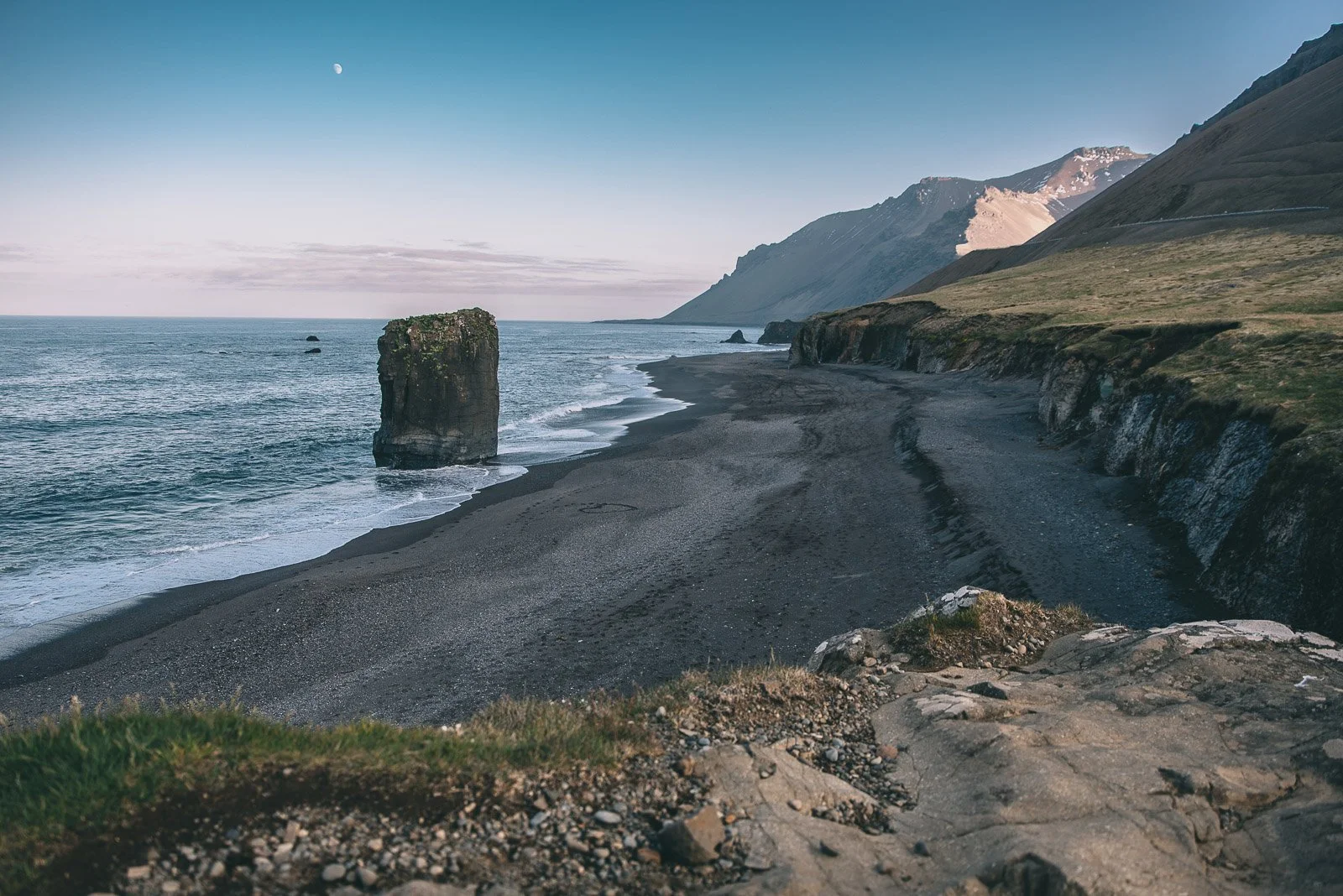
But Iceland is also one of those destinations where some of the best things you will do are completely free. You can stand underneath enormous waterfalls, walk along black sand beaches, see glaciers, explore geothermal areas, drive through some of the most beautiful landscapes I have ever seen, and potentially watch the Northern Lights without buying an admission ticket for every stop.
That makes budgeting for Iceland a little different from budgeting for a city trip, where you are constantly paying for museums, attractions, and entertainment.
I have visited Iceland more than once, including short trips where I tried to see as much as possible without spending an absurd amount of money. My travel style is usually somewhere between budget and mid-range. I am perfectly happy buying groceries and eating sandwiches in the car, but I also want the freedom to book a nice hotel, eat somewhere I am excited about, or splurge on something like a geothermal lagoon when it feels worth it.
So instead of pretending there is one magic number that an Iceland trip costs, this guide will help you figure out where your money is actually going to go, where you can save, and which expenses are worth planning for before you arrive. At the end, I also break down exactly what a friend and I spent on one of my real 4-day trips to Iceland.
At a Glance
For current 2026 planning, a reasonable seven-day land budget is roughly 125,000 to 175,000 ISK (about $1,035 to $1,450 USD) per person for a more budget-conscious trip, and around 245,000 to 385,000 ISK (about $2,025 to $3,185 USD) per person for a more comfortable mid-range trip. These estimates exclude international airfare and can rise considerably during the busy summer season or if you opt for higher-end hotels, restaurant meals, guided tours, and premium geothermal spas.
So, Is Iceland Really That Expensive?
Yes, but I think the answer needs some context. The things that tend to be expensive in Iceland are the parts of the trip you need to live: your hotel, rental car, fuel, restaurant meals, and anything that requires a tour or admission ticket.
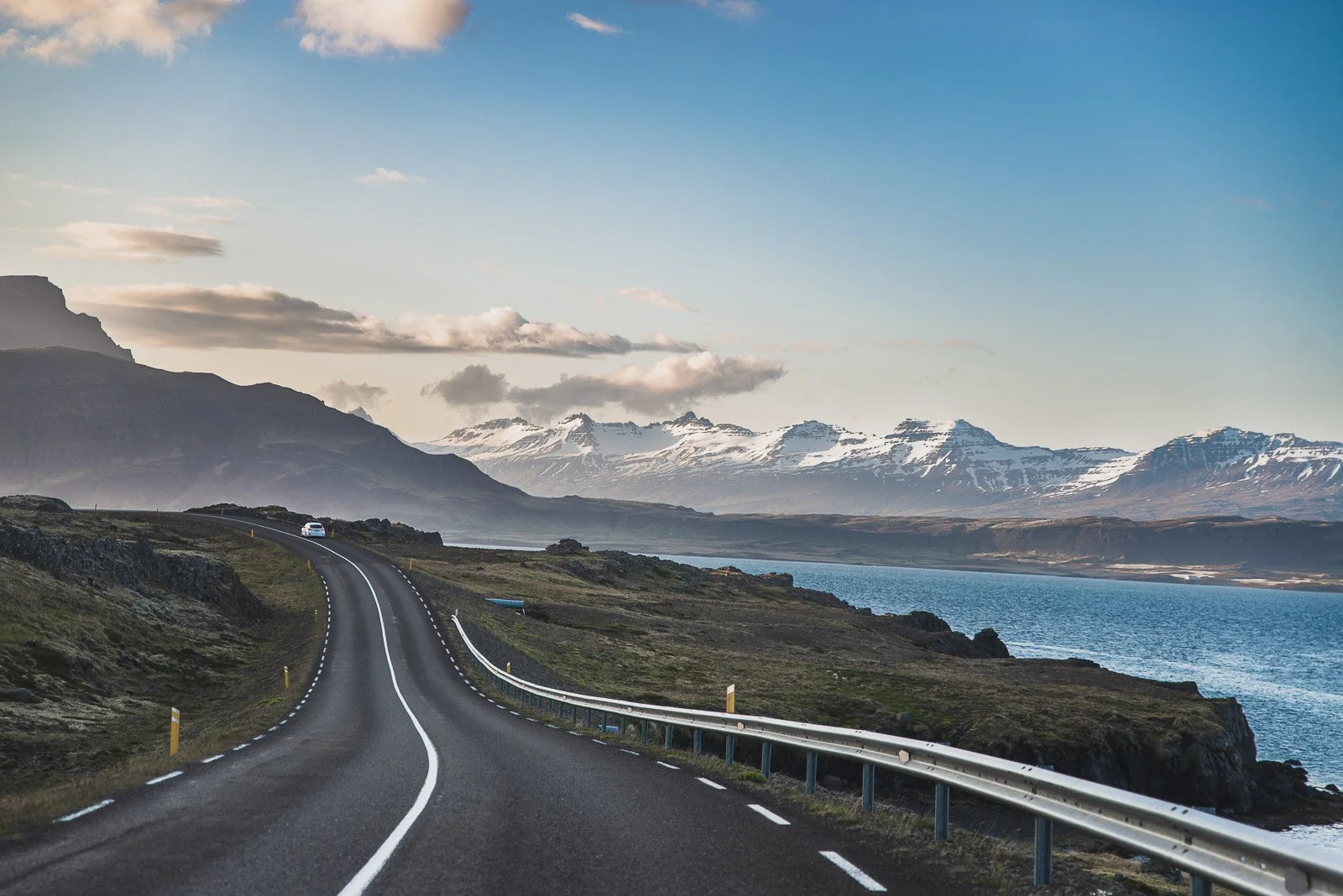
The scenery itself usually is not. That distinction matters because you can build a surprisingly full Iceland itinerary without paying for an attraction every few hours. On a South Coast road trip, for example, you can spend an entire day visiting waterfalls, beaches, viewpoints, and other natural landscapes while only paying for your transportation and occasional parking.
Where people get into trouble is when they combine expensive accommodation, three restaurant meals a day, a large rental vehicle, premium insurance, multiple guided excursions, and expensive geothermal spas. None of those things is inherently a bad use of money, but stacking all of them together makes Iceland expensive very quickly. I would rather choose the things I actually care about and save on the rest.
How Much Should You Budget for a Week in Iceland?
For a budget-conscious trip, roughly 125,000 to 175,000 ISK (about $1,035 to $1,450 USD) per person for seven days, excluding flights, is a reasonable starting point. That generally means simple accommodations or camping, groceries for most meals, a smaller rental car or shared transportation, and a heavy focus on Iceland's free natural attractions.
For the kind of trip I usually prefer, I would plan for the mid-range, roughly 245,000 to 385,000 ISK (about $2,025 to $3,185 USD) per person before airfare. That leaves considerably more room for hotels, a rental car, restaurant meals mixed with groceries, parking, and a few paid experiences.
If you want upscale hotels, fine dining, private tours, and premium geothermal experiences, Iceland can become expensive very quickly. A week can easily exceed 490,000 ISK (about $4,050 USD) per person before international flights.
These are planning ranges, not fixed prices. Iceland is extremely seasonal, and the same trip can cost very different amounts depending on whether you travel in January or July. Exchange rates also change, so the USD amounts should be treated as approximate.
Flights to Iceland
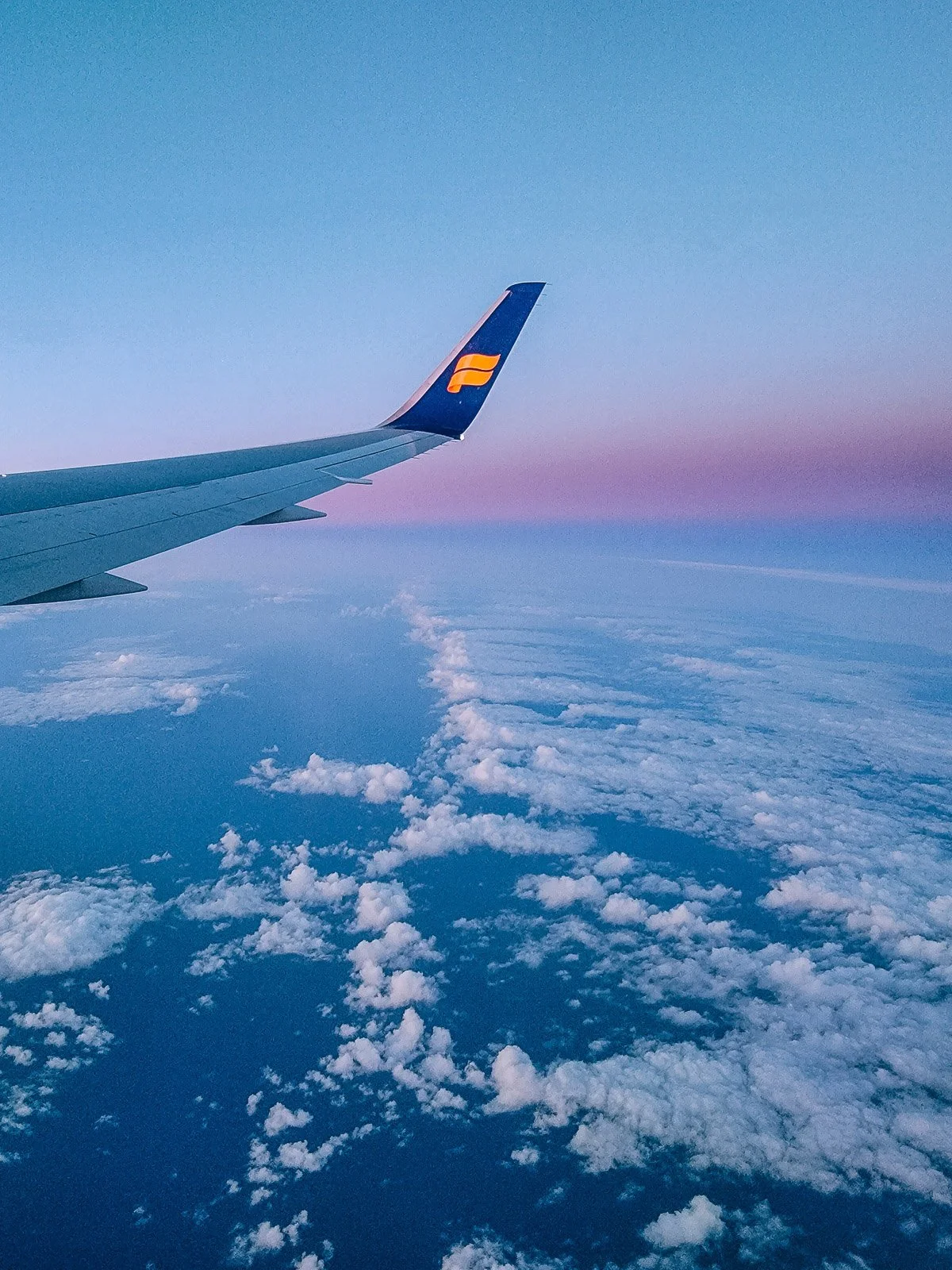
For travelers coming from the United States, airfare will obviously depend heavily on where you live. The Northeast has a major advantage here. Iceland is relatively close to New York and Boston compared with the rest of Europe, which is one of the reasons I think it works so well for a long weekend or short PTO-friendly international trip.
As a general planning range, round-trip flights from the United States commonly fall somewhere around $400 to $800 per person, although sales can take you below that, and peak-season travel can easily push you higher. Current 2026 travel-cost data puts a typical U.S. round trip at roughly $420 to $820.
I have personally flown round-trip from New York to Iceland for around $250 before, so deals absolutely happen. I just would not build my entire budget around finding one that is cheap. My usual strategy is to start watching fares well before I actually need to book. I would rather know what the typical price is for my dates so I can recognize a genuinely good fare when it appears.
Accommodation
This is one of the categories where your budget can swing dramatically.
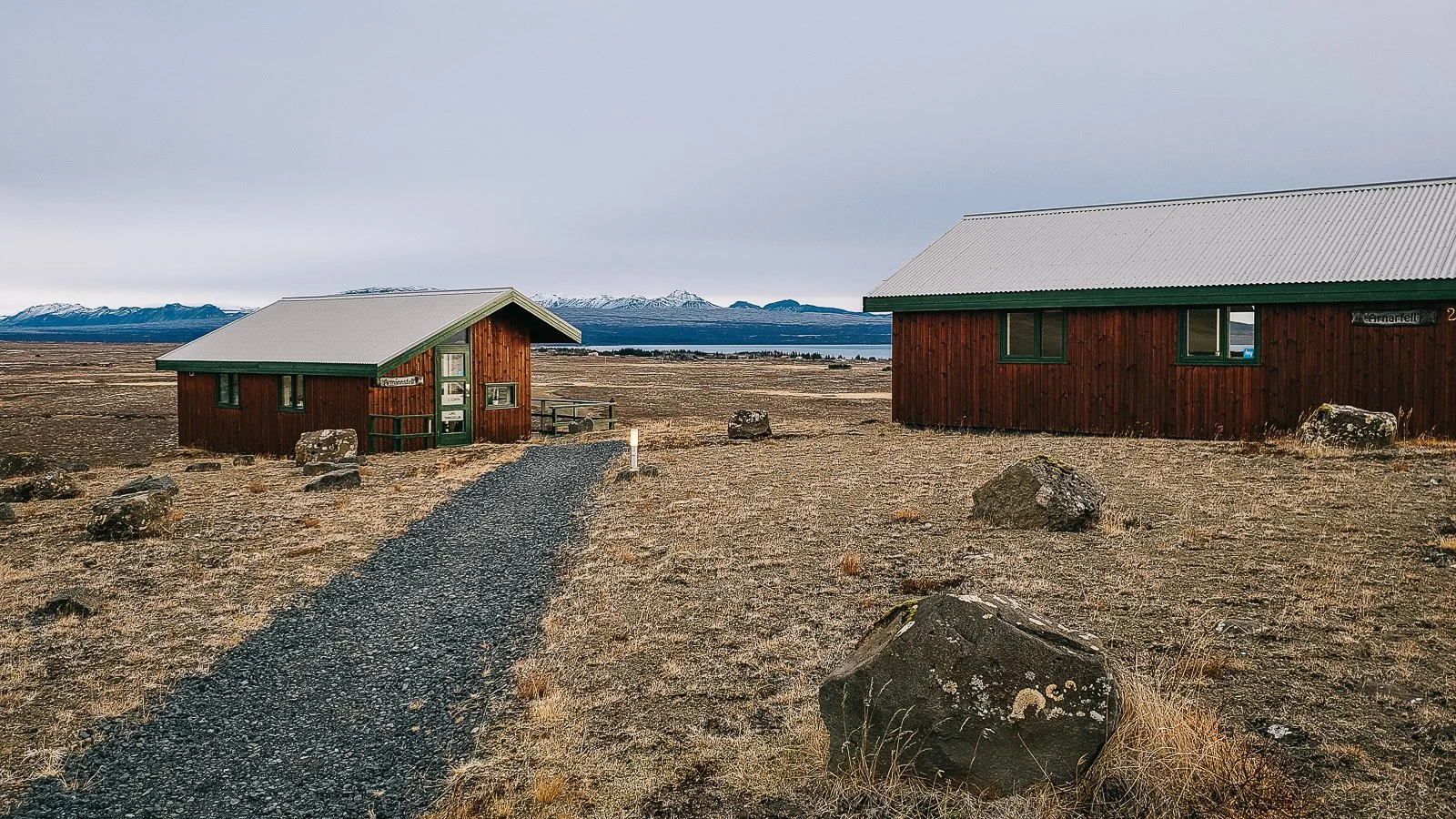
For a basic room, hostel, or guesthouse, you can sometimes find relatively inexpensive options, especially outside peak season. For a typical mid-range hotel, though, I would go into planning expecting something around $200 per night rather than assuming you will regularly find nice rooms for $100.
Current Iceland hotel data puts a typical mid-range room around $196 per night, with budget double rooms in Reykjavík often starting around $143. Summer can be significantly more expensive, particularly in popular areas with limited inventory. This is also why I recommend booking accommodation in Iceland fairly early once your itinerary is set.
Reykjavík has plenty of choices. Once you start driving through places like the South Coast, however, you are choosing from much smaller towns with a limited number of rooms. Waiting until the last minute can mean either paying significantly more or staying somewhere that does not work nearly as well with your route.
If you are comfortable camping, Iceland can become dramatically cheaper. Campsites are often only a fraction of the cost of a hotel room, which is one reason campervan trips are so popular. Just remember that a campervan is not automatically the cheapest option. You still have the rental itself, insurance, fuel, campsites, and road charges. Compare the total cost to a small rental car plus simple accommodations, rather than assuming the van wins.
Rental Car Costs
I almost always prefer having a rental car in Iceland. Outside Reykjavík, having your own vehicle gives you the freedom to stop when you want, stay somewhere longer than expected, leave early, and change the route when Iceland inevitably gives you something interesting to pull over for.
Rental prices depend heavily on the season and vehicle type. For current 2026 pricing, a small 2WD commonly runs around 9,000 to 14,000 ISK per day (about $75 to $115 USD) in winter and 14,000 to 22,000 ISK per day (about $115 to $180 USD) in summer. A compact 4WD is more likely to fall between 13,000 and 22,000 ISK per day (about $110 to $180 USD) in winter and 18,000 to 30,000 ISK per day (about $150 to $250 USD) in summer.
You do not automatically need a 4WD when visiting Iceland. If you are sticking to Reykjavík, the Golden Circle, and the South Coast in good conditions, a regular vehicle is often perfectly reasonable.
Where I would not cut corners is choosing a vehicle that is inappropriate for the season or your route, just because it is cheaper. The USD conversions are approximate and will change with the exchange rate.
If you're planning a short self-drive trip, my 3-day Iceland itinerary shows how I combine the Golden Circle and South Coast without trying to drive the entire country.
The New Iceland Road Fee You Need to Budget For
Beginning January 1, 2026, Iceland introduced a road-use fee based on the distance a vehicle is driven. For normal passenger cars and SUVs weighing up to 3.5 tonnes, the government rate is 6.95 ISK per kilometer, or about $0.06 USD per kilometer.
Rental companies may handle the charge differently. Some pass along the kilometer-based fee, while short-term rental vehicles can instead be registered under a government daily-fee system of 1,390 ISK per rental day, or about $11.40 USD per day.
The important thing for your budget is to look for the road fee when comparing rental-car prices. Do not assume the cheapest advertised rate will be the lowest final price. Check what the total looks like after adding insurance, additional drivers, airport fees, road charges, and any other required costs.
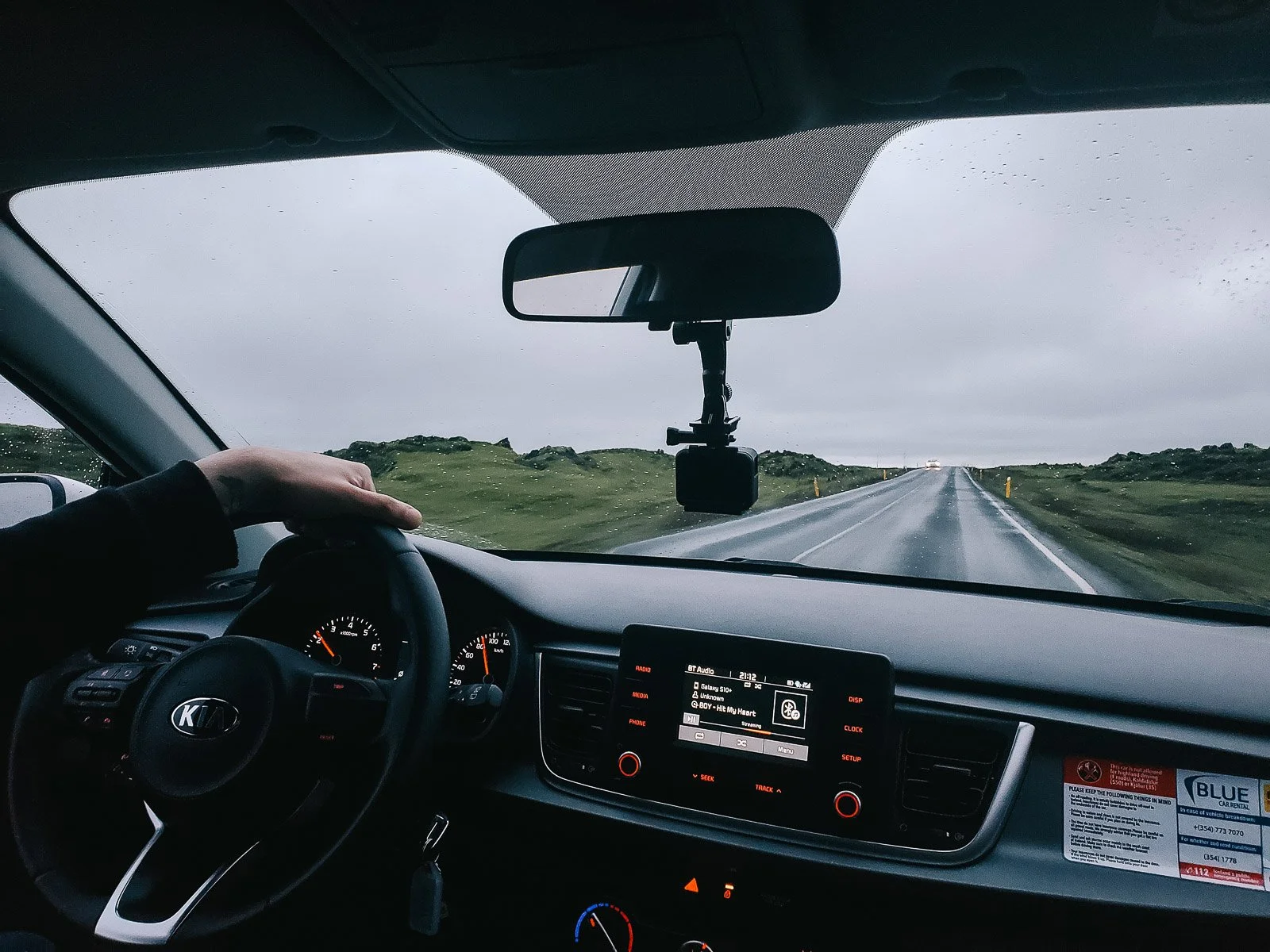
Rental Car Insurance
This is another place where the number you initially see online might not be the number you actually pay. On one of my trips, I planned to rely on the rental-car coverage through my credit card. When I arrived, the alternative to purchasing the rental company's insurance involved a roughly $2,700 hold on my card. I paid for the insurance. That experience is why I now recommend checking the details before arriving rather than simply knowing that your credit card "has rental insurance."
Find out whether Iceland is covered, whether gravel or windshield damage is excluded, whether you have to decline the rental company's coverage, what documentation you would need to make a claim, and how large a deposit or authorization the rental company may require. Iceland also poses risks that do not necessarily arise during a normal rental at home. Gravel, wind, sand, ash, and weather can all matter depending on where and when you are driving.
Cheap insurance is only cheap if it actually covers what you need.
Gas
Fuel is another category people tend to underestimate, because Icelandic road trips involve much more driving than the map initially suggests. You might look at Reykjavík to Vík and think, "That's not very far."
Then you add the Golden Circle.
Then another waterfall.
Then Jökulsárlón.
Then you realize you still have to drive all the way back.
On the 4-day trip I break down later in this post, we filled our Mitsubishi Eclipse three times and spent about $200 on gasoline. Fuel prices fluctuate, so I would not build a future budget around what I paid on that particular trip. Instead, estimate how many kilometers you expect to drive, check current fuel prices shortly before your trip, and leave yourself some room. Also, remember that the 2026 road-use fee is separate from the fuel fee.
If you're trying to estimate how much driving you'll actually do, my South Coast self-drive guide breaks down the major stops and how far you may want to continue.
Parking
A lot of Iceland's natural attractions are free to enter, but "free attraction" does not always mean you will spend absolutely nothing. Paid parking has become increasingly common at major sightseeing areas, and around 1,000 ISK per vehicle, or about $8 USD, is a useful amount to keep in mind for many popular stops, although fees vary by location.
A few dollars here and there may not seem like much, but they add up when you're stopping several times every day. You may also need to pay for parking in Reykjavík, depending on where your hotel is located.
On one four-day trip to Iceland, I spent a total of $48 USD on parking, including both Reykjavík and sightseeing stops.
For a better idea of what those smaller fees look like in practice, my Golden Circle self-drive guide includes current parking costs at the major stops.

Food
This is probably the easiest part of an Iceland trip to either control or completely destroy your budget. If you eat every breakfast, lunch, and dinner at a restaurant, Iceland gets expensive fast.
A basic restaurant meal in Reykjavík is currently around $30 per person, while a mid-range dinner can be considerably more. A self-catering day built mostly around supermarket food can come in around $25 to $35 per person. I usually mix the two.
I'll stop at Bónus, Krónan, or Nettó near the beginning of the trip to pick up breakfast food, bread, sandwich ingredients, fruit, drinks, and snacks. Having food in the car is convenient when you're driving around all day anyway, and it means I do not have to choose between eating at an expensive tourist restaurant and going hungry because we are nowhere near the restaurant I planned to go to. Then I can spend money on the meals I actually care about.
That is much more appealing to me than eating mediocre restaurant food three times a day simply because I am traveling. On one trip, for example, we kept plenty of grocery food with us but still splurged on a meal at Friðheimar because it was something we specifically wanted to experience. That is the balance I would recommend.

Coffee
Coffee deserves its own tiny section because I am not going to Iceland and pretending coffee does not exist to make my travel budget look better. If you're a daily coffee person too, budget for it.
A few coffees will not ruin your trip financially, but repeated small purchases are exactly the kind of thing that mysteriously turn into another $50 or $100 by the time you get home. I would rather budget for them and enjoy them.
Geothermal Lagoons and Hot Springs
This is another category where you can spend very little or quite a lot. Iceland has everything from local swimming pools and simpler geothermal bathing experiences to premium destinations like the Blue Lagoon and Sky Lagoon.
For 2026, Blue Lagoon Comfort admission starts at 11,990 ISK per person, or about $99 USD, with more expensive packages available. Sky Lagoon's standard Saman experience starts at 14,990 ISK per adult, or about $124 USD. Both use dynamic or date-dependent pricing, so popular dates and times can cost more.
You absolutely do not need to visit an expensive geothermal spa to have a good trip to Iceland, but I also would not automatically tell someone to skip one just because it costs money.
I have been to the Blue Lagoon more than once. If it is something you are excited about, budget for it and enjoy it. If you mainly want to experience Iceland's geothermal water and do not particularly care about visiting one of the famous lagoons, there are much cheaper options. I would rather spend $100 to $150 USD on an experience I genuinely want than spend the same amount across a bunch of random things I do not care about.
If you're deciding where that money is actually worth spending, my Iceland hot springs and geothermal pools guide compares everything from major destination spas to natural pools and inexpensive local swimming pools.

Tours and Paid Activities
You can see an enormous amount of Iceland independently, which is one reason I like it so much as a self-drive destination. But there are certain experiences where paying for a tour makes sense or is necessary.
Glacier hiking is a good example. You should not walk onto a glacier independently simply to avoid paying for a guide. Ice caves, some boat trips, whale watching, snowmobiling, horseback riding, and other specialized activities will also add to your budget.
This is where I would decide what your trip is really about. You do not need five expensive activities in five days just because they exist. Choose the experiences that you would genuinely be disappointed to miss and build the rest of your itinerary around Iceland's free scenery.
My South Coast guide also explains where Sólheimajökull fits into a road trip and when I would consider adding a guided glacier hike.
Do You Need Cash in Iceland?
Probably not much. Cards and contactless payments are accepted almost everywhere in Iceland, including places where I would not necessarily expect them. I generally would not arrive carrying a large amount of Icelandic króna. Having some cash on hand does not hurt, but for most normal tourist expenses, I use a card.
Just make sure you have a card without foreign transaction fees if possible. There is no reason to quietly add another few percent to every purchase for your entire trip.
My Real 4-Day Iceland Budget
This was a four-day trip I took with a friend. We were not trying to travel as cheaply as humanly possible, but it was not a luxury trip either. We bought groceries, rented a car, stayed in hotels, ate out when we wanted to, drove all the way to Jökulsárlón, and splurged on the Blue Lagoon.
These are the actual amounts we paid on that trip a few years ago, not current 2026 quotes.
| Expense | Total for Two | Per Person |
|---|---|---|
| Round-trip flights from NYC | $1,141.20 | $570.60 |
| Rental car | $222.00 | $111.00 |
| Rental car insurance | $84.00 | $42.00 |
| Hotels | $896.43 | $448.22 |
| Parking | $48.00 | $24.00 |
| Gas | $200.00 | $100.00 |
| Food | $431.45 | $215.73 |
| Blue Lagoon | $302.19 | $151.10 |
| Total | $3,325.27 | $1,662.64 |
And honestly, I still think that was pretty good for what we did. We flew internationally, stayed in hotels, rented our own car, drove from Keflavík to Reykjavík, continued across the South Coast through Vík to Jökulsárlón Glacier Lagoon and back, ate at restaurants, bought groceries, and did a premium Blue Lagoon visit.
We definitely could have spent less. We also could have spent a whole lot more.
If you're planning a similarly short trip, you can also see how I would organize three full days of sightseeing in Iceland.
What That Same Trip Would Cost Differently Today
I would not expect to recreate that trip for exactly $3,325 today.
Hotels have gotten more expensive, geothermal lagoon pricing has changed, rental-car pricing varies substantially by season, and the new 2026 road fee must now be included in a self-drive budget. Current mid-range hotel pricing is around $196 per room per night, while Blue Lagoon admission now starts at 11,990 ISK per person and increases depending on the package and demand.
But I also would not look at those increases and assume Iceland suddenly requires a huge luxury budget. The same strategy still works: shop around for airfare, travel outside peak summer if you can, book accommodation early, rent only as much vehicle as you actually need, buy groceries, choose your paid experiences deliberately, and take advantage of the fact that so many of Iceland's best landscapes cost little or nothing to experience.
Where I Would Save Money
If I were trying to lower the cost of an Iceland trip without making the trip worse, food would be one of the first places I would look. I would buy groceries for breakfast, snacks, and at least some lunches instead of eating every meal at a restaurant.
I would also compare accommodation carefully. I do not need the fanciest room in Iceland when I am leaving early in the morning and spending the entire day outside.
I would travel in a shoulder season when it works with what I want to see. Summer is wonderful, but you are paying for the demand and extremely long daylight hours.
I would book a smaller 2WD instead of a larger SUV when my route and the weather genuinely do not require a 4WD.
And I would be selective about paid attractions. One expensive geothermal lagoon or activity that I am excited about is more valuable to me than booking something expensive every day because I think I am supposed to.
Where I Would Not Automatically Choose the Cheapest Option
I would not choose an inappropriate rental car to save money.
I would not decline insurance without understanding exactly what my alternative coverage includes.
I would not book a terrible hotel two hours away from where I actually want to be just because the room is $40 cheaper.
And I definitely would not skip an experience I have been looking forward to for years simply because it makes the spreadsheet look nicer.
The point of having a travel budget is not to spend the smallest amount of money technically possible.
It is important to know where your money is going so you can spend it on what matters to you.
How I Would Budget for Iceland
For me, Iceland works best when I think about the trip in two categories.
First are the things I have to pay for: airfare, accommodation, transportation, insurance, fuel, road fees, parking, and food.
Then there are the things I choose to pay for: geothermal lagoons, special restaurants, tours, glacier experiences, horseback riding, whale watching, and anything else that makes that particular trip exciting.
Once the unavoidable expenses are covered, I decide where I want to splurge. That makes the budget feel much more manageable than viewing Iceland as one giant, expensive destination.
Is Iceland Worth the Cost?
For me, absolutely. I have been fortunate enough to visit Iceland more than once, and I keep finding reasons to go back. There are not many places where a short road trip can include enormous waterfalls, glaciers, volcanoes, black sand beaches, geothermal pools, mountains, and potentially the Northern Lights. Even better for someone with limited PTO, you do not necessarily need two weeks to feel like you actually experienced something.
Iceland can be expensive, but it can also be surprisingly flexible. Buy groceries when a meal does not matter. Spend money when an experience does. Take advantage of the countless natural attractions that cost little or nothing to visit. And most importantly, build the trip around what you actually care about, rather than what someone else's Iceland itinerary says you need to buy.
That's how I keep going back without feeling like every trip needs an unlimited budget.
Ready to start planning? Head to my Iceland travel guide for itineraries, road-trip guides, hot springs, photography tips, and more.
Happy travels!





Want to visit the real Hocus Pocus filming locations? Follow this self-guided tour through Salem and nearby Marblehead to see Allison's house, Max and Dani's house, their school, Old Town Hall, Pioneer Village, Old Burial Hill, and more.