

How to Be a Respectful Traveler: Don’t Be That Tourist
This post may contain affiliate links. If you make a purchase through one of these links, I may earn a small commission at no additional cost to you.
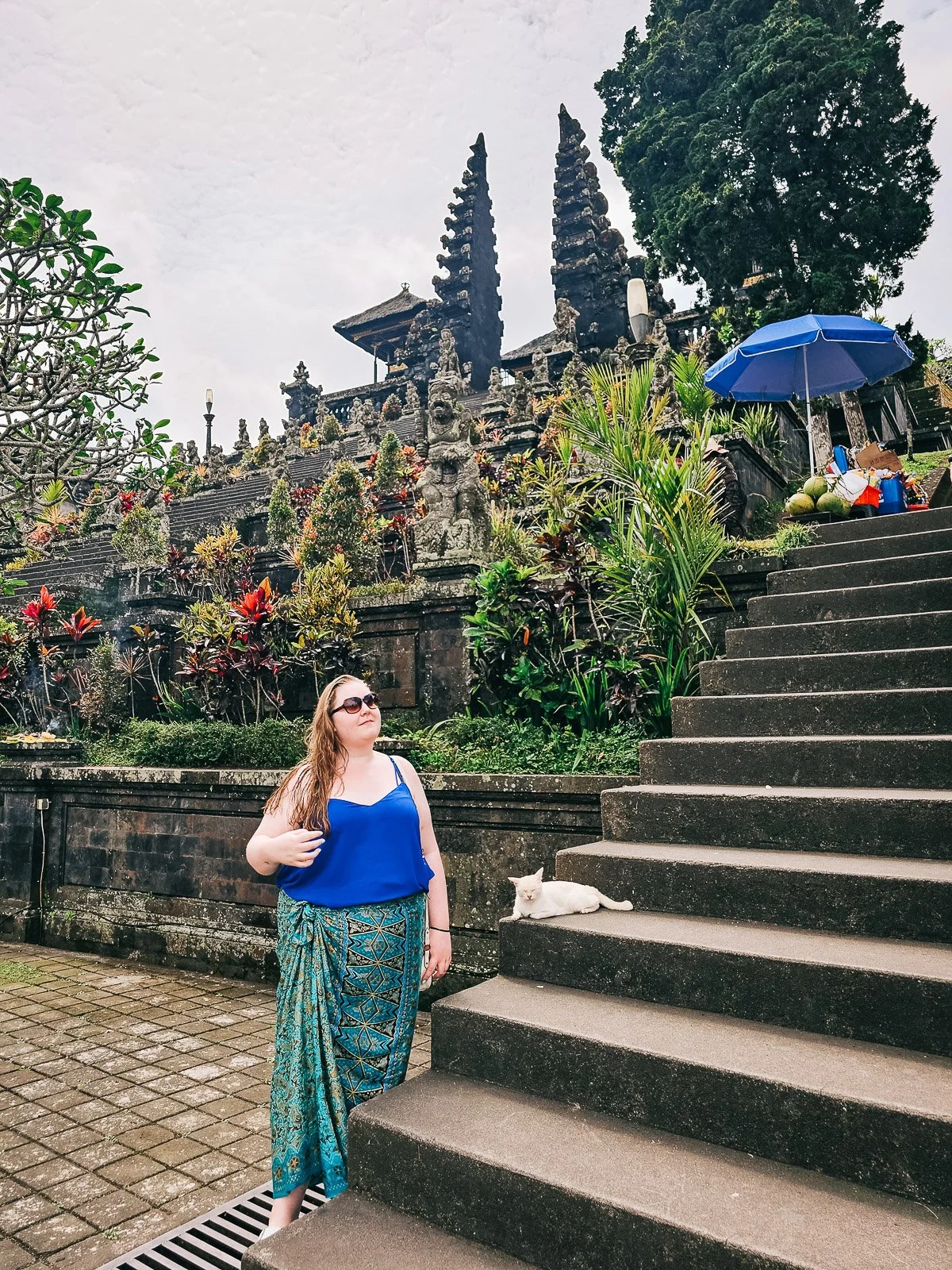
The more I travel, the more I realize there are two very different ways to visit a place. You can show up excited to see somewhere new, learn a little about it, respect the people who live there, and leave without making yourself anyone else’s problem.
Or you can be that tourist. You know the one. The person climbing over the barrier because they really need the picture. The person getting angry because things are not done exactly the way they are at home. The person treating an entire city like it exists solely for their vacation.
I do not think being a responsible traveler means being a perfect traveler. I am definitely not one. I have made mistakes, misunderstood customs, gotten frustrated, and later realized I probably could have handled things differently. I’ve made plenty of travel mistakes of my own over the years. Travel is one giant learning experience, and sometimes you do not know what you do not know until you are already standing there.
To me, being a respectful traveler mostly comes down to remembering one very simple thing: you are visiting someone else’s home.
That does not mean you cannot have fun, take a million pictures, eat everything you can find, or squeeze as much as possible into your trip. It just means being aware of the people, places, culture, and environment around you while you do it.
At a Glance
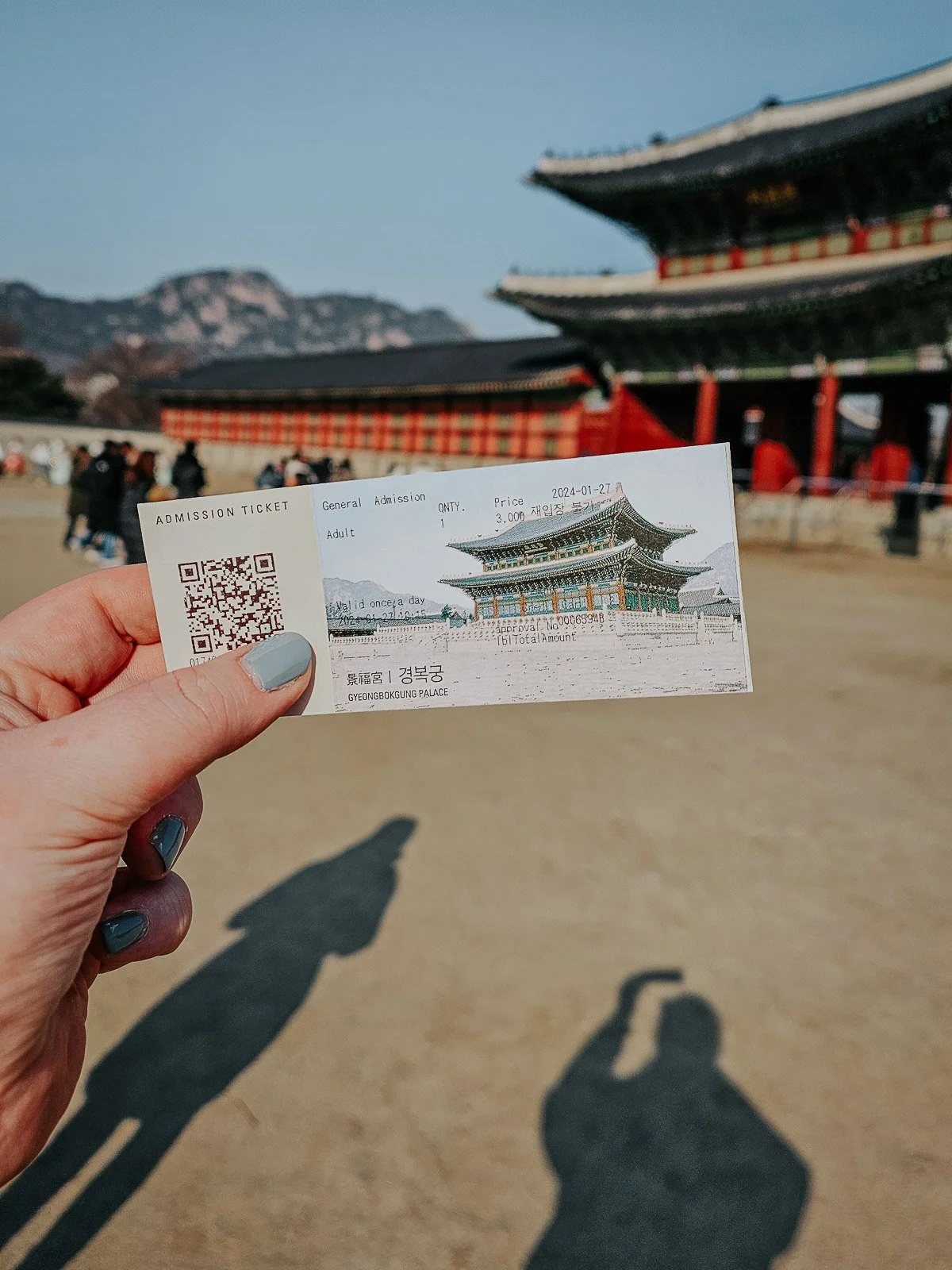
Learn a Little Before You Go
You do not need to become an expert on every country before you visit it, but spending even a little time learning about where you are going can make a huge difference.
What is considered polite? Is there a dress code at religious sites? Are there places where photography is restricted? How does tipping work? Are there gestures that mean something completely different than they do at home? Is there a local law that tourists regularly get themselves into trouble with?
A lot of this takes five minutes to look up.
I already spend an unreasonable amount of time researching trips because I am usually trying to fit as much as possible into a limited amount of PTO. If I can research train schedules, sunrise times, parking garages, and exactly how long it takes to get from one attraction to another, I can also take a few minutes to find out whether my shoulders need to be covered before entering a religious site.
Learning a few words in the local language is helpful too. I am not pretending I become fluent everywhere I go, because I absolutely do not, but knowing how to say hello, please, thank you, and excuse me goes a long way.
You will probably still make mistakes. That is normal. What matters more is how you react when someone corrects you. Being embarrassed for thirty seconds is much better than doubling down because “that is not how we do it at home.”
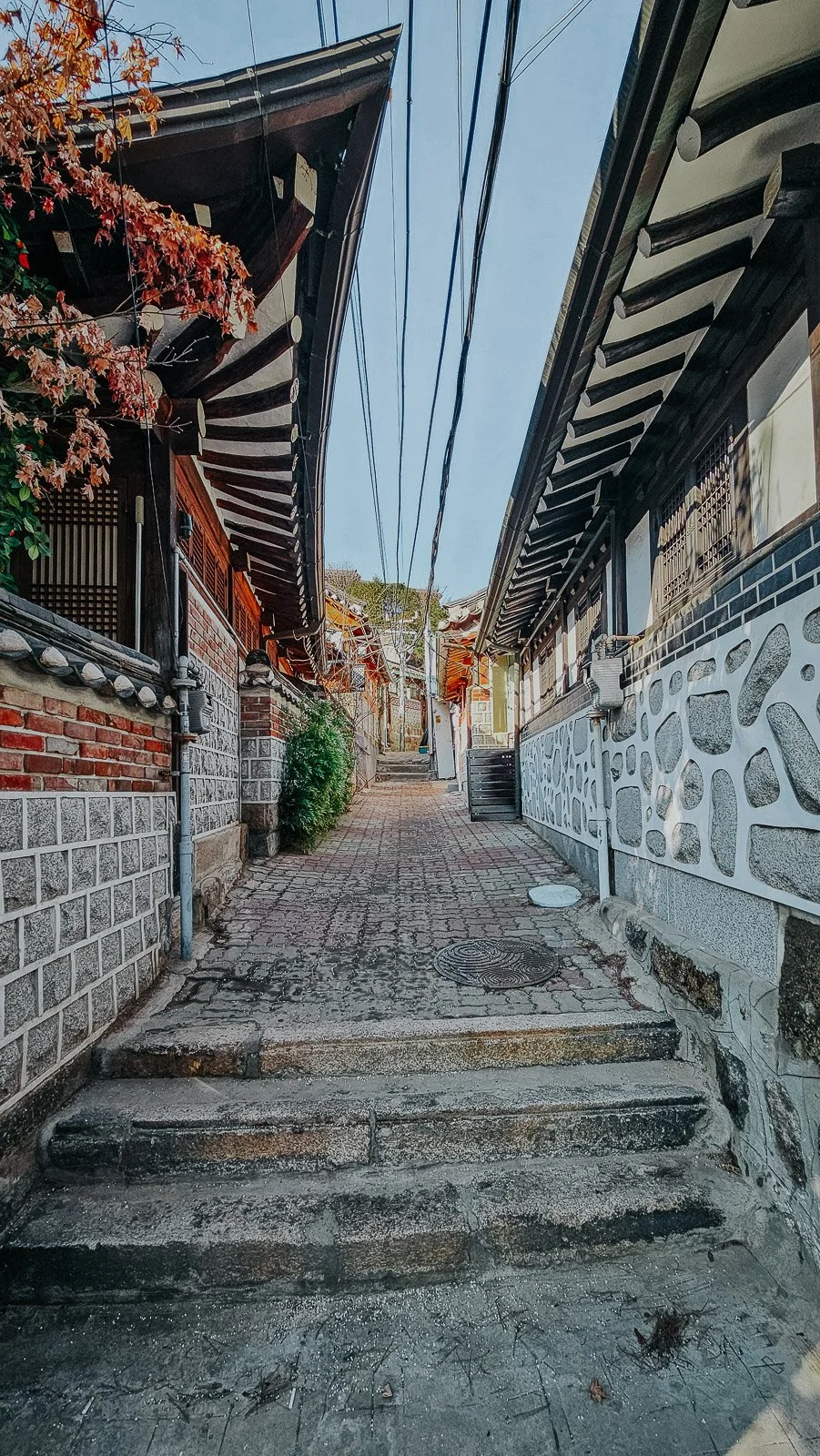
Remember That You Are Visiting Someone Else’s Home
This is probably the biggest thing travel has taught me. A destination may be your vacation, but it is someone else’s regular Tuesday.
People are going to work. Kids are going to school. Someone is trying to get groceries while you are standing in the middle of the sidewalk, trying to figure out which direction Google Maps wants you to go. People actually live around the historic buildings, beaches, markets, and neighborhoods we travel across the world to photograph.
That perspective changes a lot. It means trying not to block an entire sidewalk while taking a picture. It means keeping the noise down when you are staying in a residential neighborhood. It means not leaving trash behind for someone else to clean up. It means treating hotel employees, servers, guides, drivers, and everyone else you interact with as actual human beings rather than as supporting characters in your vacation.
It also means accepting that different does not automatically mean wrong. Dinner might happen later than you are used to. Stores may close in the middle of the day. Service might be slower. Personal space can be different. Lines might work differently. Public transportation might be confusing. The hotel room might be smaller than what you are used to in the United States. That is part of traveling.
Personally, I do not want to travel around the world just to find a slightly different version of home. Some of my favorite parts of traveling are the things that make me stop and think, “Oh, this is completely different from what I am used to.”
The Photo Is Not More Important Than the Place
I say this as someone who has been a photographer for more than 15 years and absolutely understands the desire for the picture. I have rearranged days around good light. I have gotten up ridiculously early. I have waited for the crowds to clear. I have carried camera equipment around when every part of me would have preferred to leave it at the hotel.
You can see what’s currently in my camera bag if you’re curious about the gear I actually travel with.
I get it. But there is still a line. If there is a fence, rope, barrier, or sign telling you not to go somewhere, your photo is probably not the exception. If you have to damage a plant, climb on something ancient, walk through a restricted area, or put yourself in a genuinely unsafe position just to get the shot, there is probably another photograph you can take.
The same goes for photographing people. Street photography and travel photography can create some incredible images, but people are not props. There are situations where candid photography is perfectly normal, and others where asking first is the respectful thing to do. If someone clearly does not want to be photographed, I would rather miss the picture than make them uncomfortable.
There are also plenty of places where photography is restricted for religious, cultural, safety, or preservation reasons. Sometimes those rules are frustrating, especially when you are standing somewhere absolutely beautiful with a camera in your hand, but that does not mean the rule disappears.
And honestly, working around limitations sometimes makes you a better photographer anyway. If you’re still learning how to get better results from your camera, my Photography Basics for Beginners guide breaks down the settings and techniques I use.
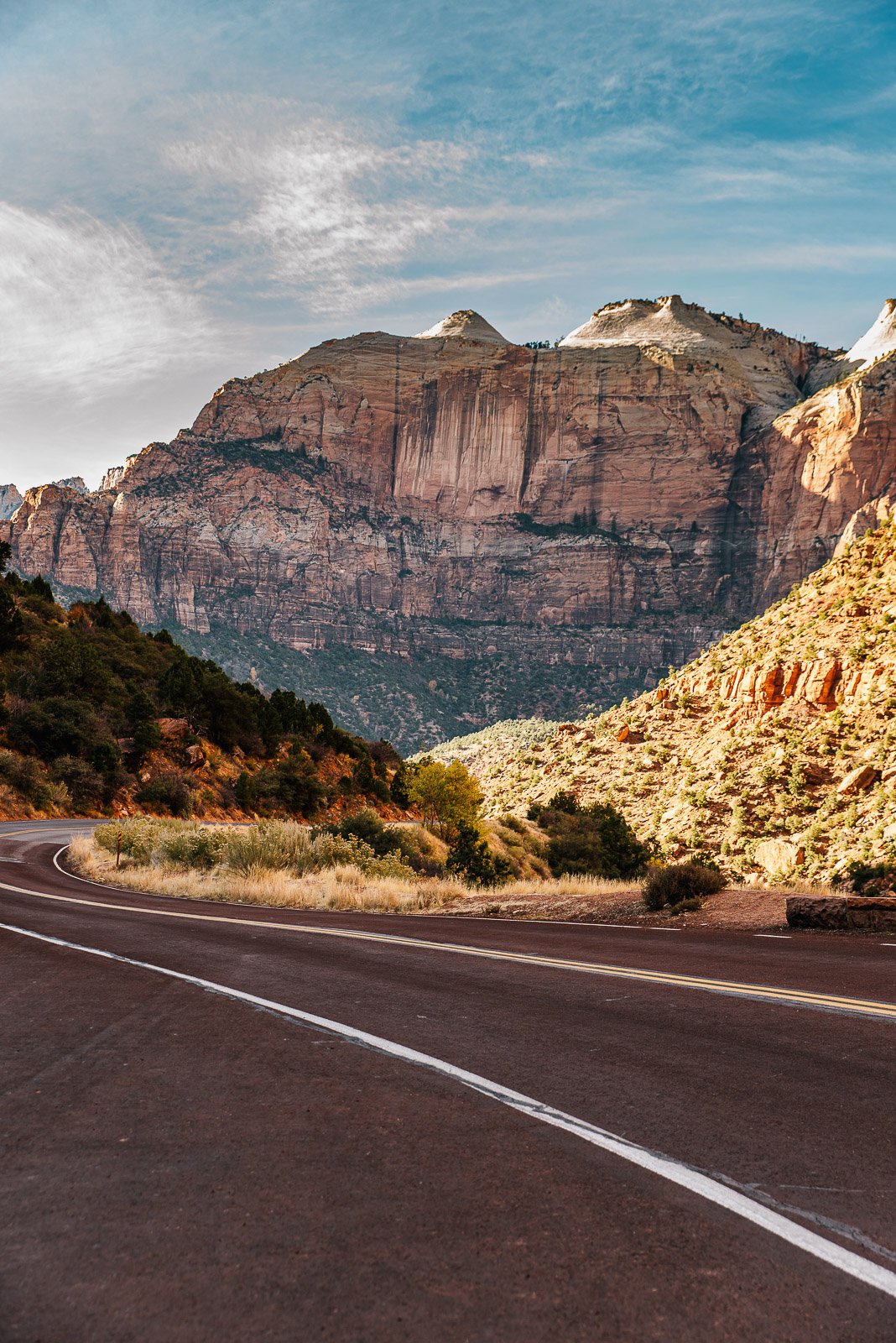
Respect the Places You Came All This Way to See
We travel because these places are worth seeing. It would be nice if they were still worth seeing decades from now.
That means following the boring rules. Stay on the trail when you are asked to stay on the trail. Do not carve your name into anything. Do not take pieces of historic sites home with you. Do not climb on structures that are clearly not meant to be climbed. Carry your trash out. Do not move barriers because they are inconvenient for your photo. Some places are much more fragile than they look.
Iceland is a perfect example. You can be standing in a landscape that looks endless and indestructible, but some of that vegetation can take years to recover from damage. The same idea applies everywhere, from deserts and beaches to archaeological sites and national parks. If you’re planning a trip, my Iceland destination guide has all of my Iceland itineraries, guides, and planning information in one place.
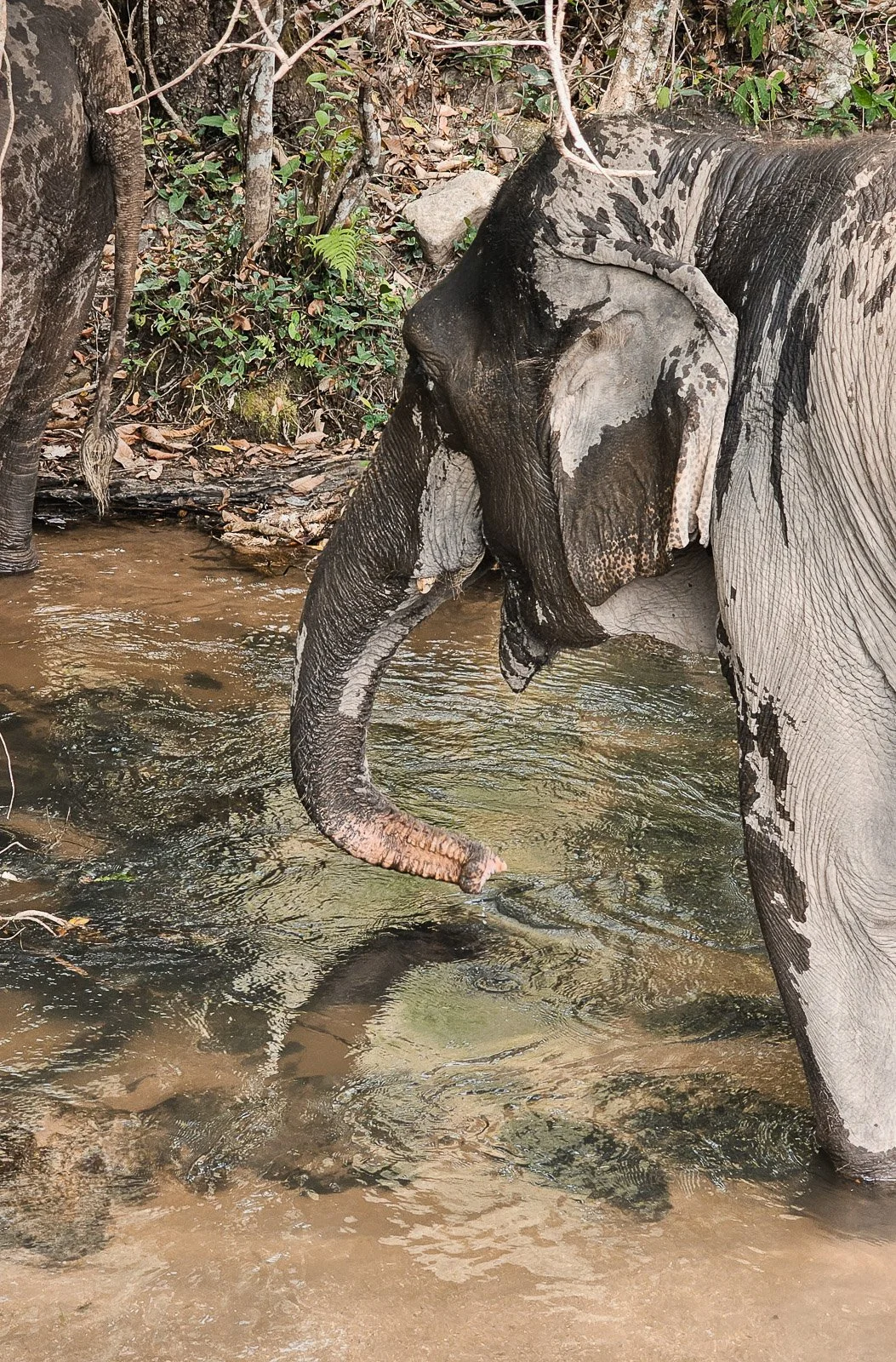
Wildlife deserves the same respect. Seeing animals while traveling can be incredible, but getting closer is not always better. Feeding wildlife, chasing an animal for a photograph, touching animals that should not be touched, or paying for experiences without understanding how the animals are treated can do real harm. I try to remind myself that seeing an animal behaving naturally from farther away is a much better experience than forcing an interaction just to get a closer photograph.
Spend Like Your Choices Matter
I am not going to tell you that responsible travel means you can never stay at a chain hotel, grab Starbucks at an airport, or book something through a major company. I do all of those things.
Sometimes the chain hotel is the best deal. Sometimes you have five minutes before boarding, and the airport Starbucks is what’s happening. Sometimes, a large tour company is simply the easiest way to see something within the limited time you have.
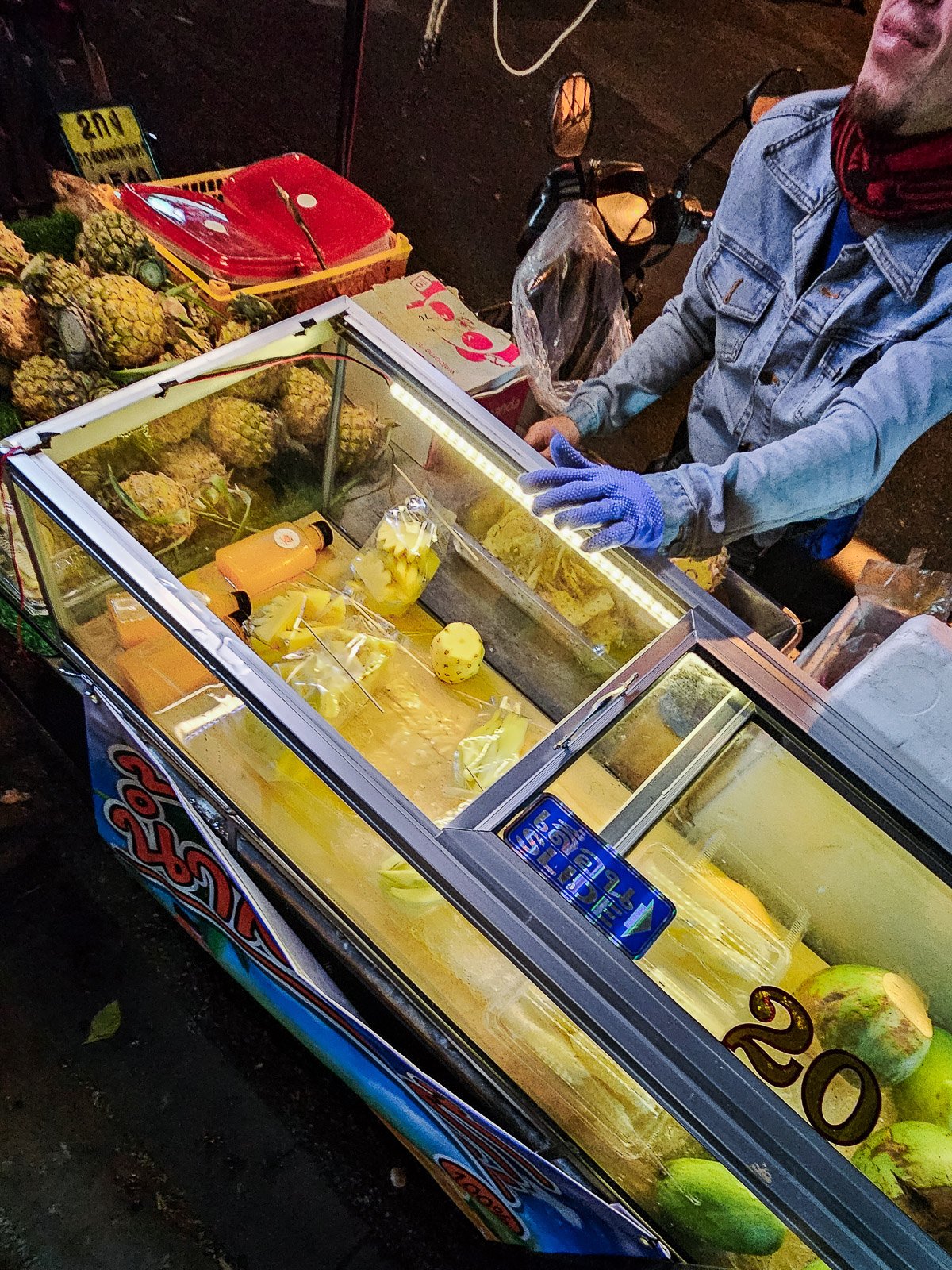
But when I have the opportunity to spend locally, I try to do so. That might mean eating at a locally owned restaurant, hiring a local guide, shopping at a small store, buying something directly from an artisan, or staying at a locally owned place when the price and location make sense. You do not have to make every single dollar you spend on vacation some kind of moral decision. That sounds exhausting. I just think it is worth remembering that where we spend our money affects the places we visit.
The same applies to bargaining. In some parts of the world, negotiating prices is completely normal and expected. I am all for negotiating when that is part of the culture. But I also try to keep perspective. Spending ten minutes aggressively arguing over the equivalent of a dollar just so I can say I got the lowest possible price is not necessarily a win. Sometimes that dollar means a lot more to the person selling something than it does to me.
Do Not Turn Travel Into a Competition
This is one I have had to think about more as I travel more. I count countries. I keep track of states. I have a goal of visiting all of the Seven Wonders of the World. I love lists, maps, itineraries, and checking things off.
So I completely understand the appeal. But travel can very easily turn into a competition if you let it.
Who has been to the most countries? Who found the destination before it became popular? Who went somewhere nobody else has heard of? Who has the most impressive passport stamps? Who got the exact Instagram shot? None of that makes someone a better traveler.
A place is no less interesting because millions of other people also want to see it. There is a reason places like the Colosseum, the Taj Mahal, Petra, and the Great Wall of China attract so many visitors. They are incredible. At the same time, going somewhere obscure does not automatically make the experience more authentic.
I keep my country count because I think it is fun. I chase the Seven Wonders because I love having a goal. But I never want the number to become more important than actually experiencing the place. I would rather really remember 30 countries than rush through 60 just so I can say I have been there.
You Are Going to Get Things Wrong Sometimes
No matter how much research you do, there will eventually be something you misunderstand. Maybe you will stand in the wrong place, pronounce something horribly, accidentally break some minor piece of etiquette, or realize halfway through an interaction that you have absolutely no idea what is happening.
Welcome to international travel. Most people understand that visitors do not know everything. The important part is being willing to listen, to apologize when necessary, to laugh at yourself when appropriate, and to learn from it.
I actually think that is one of the best things about traveling. You constantly discover how much of what you consider “normal” is really just what you happen to be used to. Every trip teaches me something new.
Just Don’t Be That Tourist
Most of being a respectful traveler comes down to awareness.
Pay attention to the people around you. Learn a little before you arrive. Follow the rules even when nobody seems to be watching. Do not destroy something just because you want a picture of it. Remember that another country does not need to operate exactly like yours.
We are incredibly lucky when we get the chance to see another part of the world. I want the places I visit to still be worth seeing long after I leave them, and I definitely do not want the people who live there counting down the minutes until I go home.
So explore. Take a ridiculous number of pictures. Try the food. Get lost. Ask questions. Have fun.
Just don’t be that tourist.
Happy travels!



Want to visit the real Hocus Pocus filming locations? Follow this self-guided tour through Salem and nearby Marblehead to see Allison's house, Max and Dani's house, their school, Old Town Hall, Pioneer Village, Old Burial Hill, and more.