

What's in My Camera Bag: My Travel Photography Gear
This post may contain affiliate links. If you make a purchase through one of these links, I may earn a small commission at no additional cost to you.
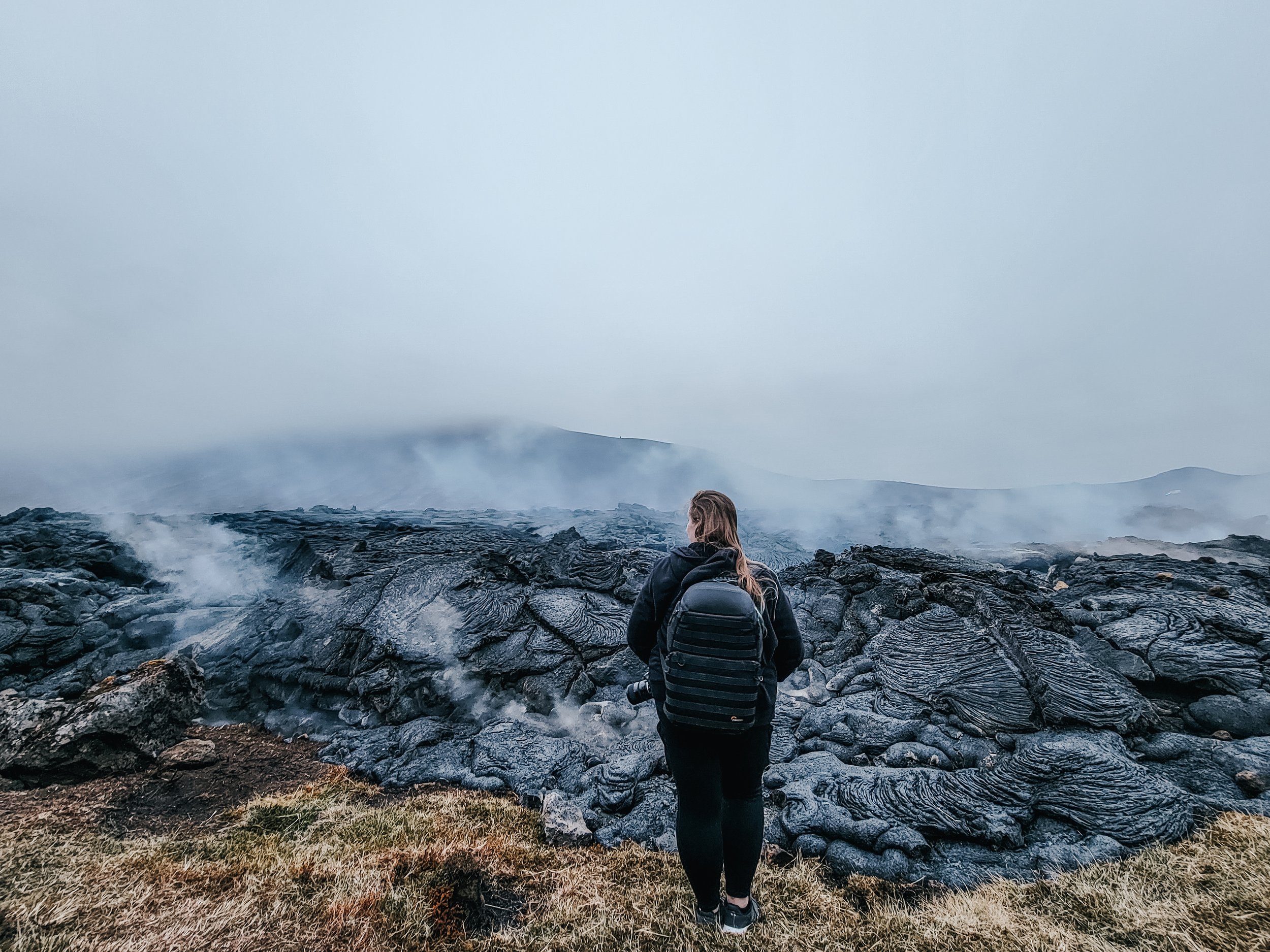
Photography has been a huge part of how I travel for years, and the gear I bring has changed quite a bit along the way.
After years of traveling with my Nikon DSLR setup, I finally made the move to Sony mirrorless. My Sony A7R V paired with the Sony FE 24-70mm F2.8 GM II is now the camera setup I reach for most often when I'm traveling.
I haven't completely abandoned Nikon, though. I still own my Nikon D610 and the lenses I've traveled with for years, and they remain part of my photography gear collection.
My camera bag also holds more than just a traditional camera and lens. Depending on the trip, I may bring my DJI Osmo Pocket 3, a drone, a 360 camera, a Samsung Galaxy S26 Ultra, or some combination of these.
Here's what I currently own, what I actually use most often, and how I decide what photography and video gear is worth carrying when I travel.
At a Glance
My Main Camera
Sony A7R V
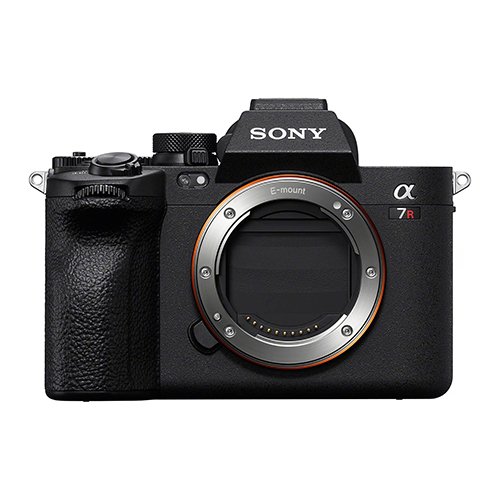
After many years of using Nikon DSLRs, I finally switched to Sony mirrorless, and the Sony A7R V is now my main camera.
For the type of photography I do, especially travel, landscapes, architecture, and documentary-style photography, the biggest draw for me is the amount of detail I can capture. The A7R V has a 61-megapixel full-frame sensor, which gives me a huge amount of resolution to work with when editing and cropping photographs. Sony also built the camera around an advanced autofocus system with AI-based subject recognition, which is a major step forward over the older DSLR system I was accustomed to.
It also gives me much stronger video capabilities than my Nikon setup, including 8K and 4K recording options, although photography is still my main reason for carrying it.
The downside is obvious: 61-megapixel RAW files are large. Traveling with this camera means I need to pay more attention to memory cards and storage than I did with some of my older equipment. But when I'm traveling somewhere specifically to come home with the best photographs I can make, this is the camera I want with me.
My Main Travel Lens
Sony FE 24-70mm F2.8 GM II
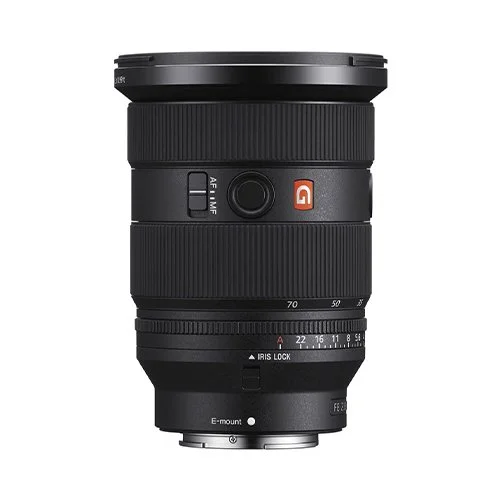
Most of the time, my Sony A7R V is paired with the Sony FE 24-70mm F2.8 GM II. A 24-70mm has always been my favorite everyday range for travel photography, so moving to Sony didn't really change that part of my setup. It's wide enough for landscapes, architecture, interiors, and city photography while still giving me enough reach for portraits, details, food, and everyday travel photographs. The constant f/2.8 aperture is also important to me because it gives me more flexibility in low light and lets me create a shallower depth of field when I want it. Sony's second-generation 24-70mm G Master weighs about 24.6 ounces (695 grams), which helps make this combination more manageable for everyday travel. If I'm only bringing one camera and one lens for a trip, this is currently the combination I'm most likely to pack.
The Nikon Gear I Still Own
Nikon D610
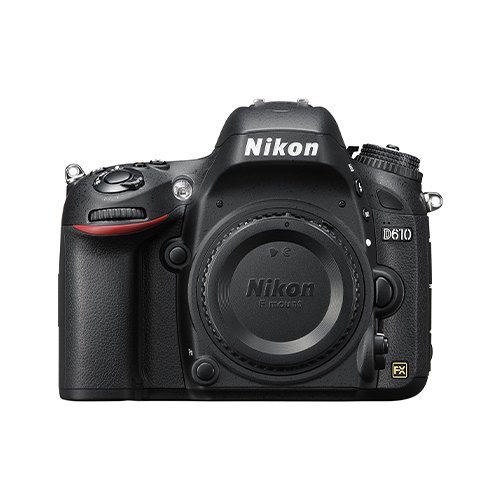
My Nikon D610 was my main camera for years and has traveled with me to many places. I also used it professionally for weddings, events, and other photography work. It isn't my primary travel camera anymore now that I've moved to the Sony A7R V, but I still own it and keep it as part of my photography setup.
The D610 is a 24.3-megapixel full-frame DSLR. It obviously doesn't have the autofocus, resolution, video capabilities, or mirrorless technology of my newer Sony, but it is still a capable full-frame camera.
More than anything, this camera is a reminder that you don't need the newest equipment to create photographs you love. I used the D610 for years before making the jump to a much newer mirrorless system.
My Nikon System Lenses
Tamron 24-70mm F/2.8 G2
Tamron 70-200mm F/2.8 Di VC G2
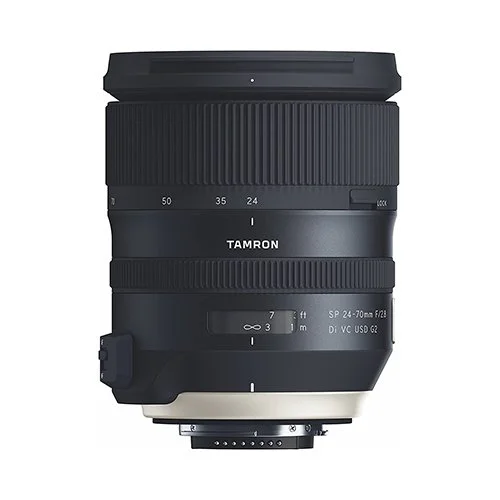
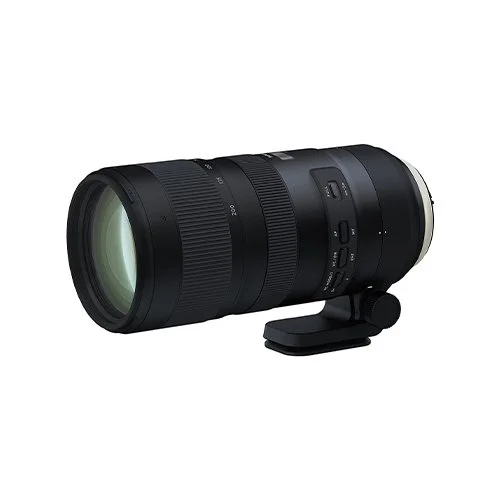
These are the two lenses I used with my Nikon system, and I still own both. The Tamron 24-70mm F/2.8 G2 was my everyday lens and covered most of what I needed while traveling. The Tamron 70-200mm F/2.8 G2 gave me the extra reach I wanted for subjects farther away. Together, they covered a huge range without requiring me to carry a collection of different lenses.
Now that Sony is my main travel system, I don't automatically pack the Nikon body and both Tamron lenses anymore. Whether they come with me depends on what I'm photographing and how much equipment I actually want to carry.
Samsung Galaxy S26 Ultra
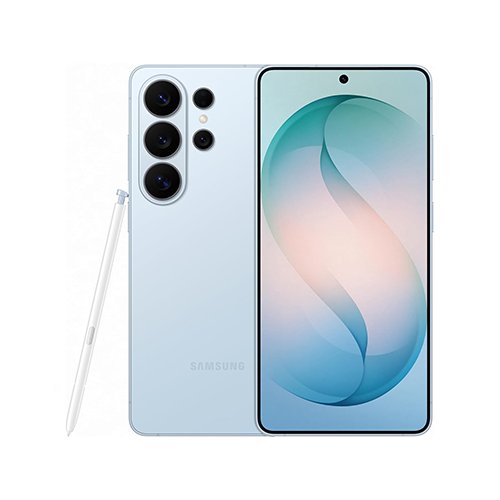
I'm still very much an Android person, and my current phone is the Samsung Galaxy S26 Ultra.
Even when I'm carrying thousands of dollars of camera equipment, my phone ends up being one of the cameras I use most while traveling. It's always with me, takes almost no effort to pull out, and is perfect for the moments when carrying the Sony around isn't practical.
The S26 Ultra has a 200MP main camera along with ultra-wide and multiple telephoto cameras, including 3x and 5x optical zoom options.
I use it for quick photos, video clips, location scouting, behind-the-scenes shots, and plenty of things that never require me to pull out my full camera setup.
For me, it doesn't replace my Sony. It complements it.
DJI Osmo Pocket 3
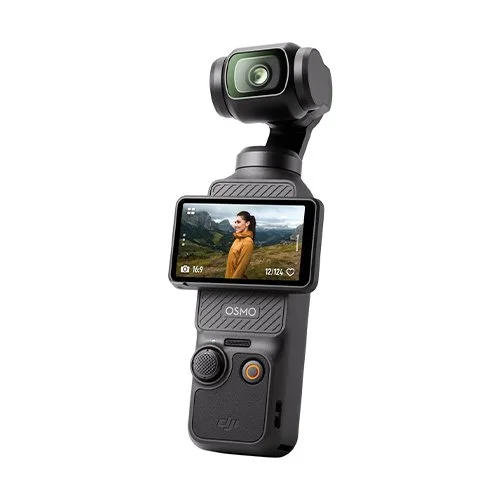
The DJI Osmo Pocket 3 has become one of my favorite pieces of travel gear. It's small enough to fit in a small bag or pocket, making it much easier to carry than a traditional video setup. The video quality is excellent for something this compact, and the built-in stabilization makes it especially useful when I'm walking around cities or filming while traveling. I also like that it is much less conspicuous than walking around with a large camera rig. I can capture video without feeling like I'm setting up an entire production every time I want a clip.
This is one of the pieces of gear that I take on almost every trip.
DJI Mavic 2 Pro
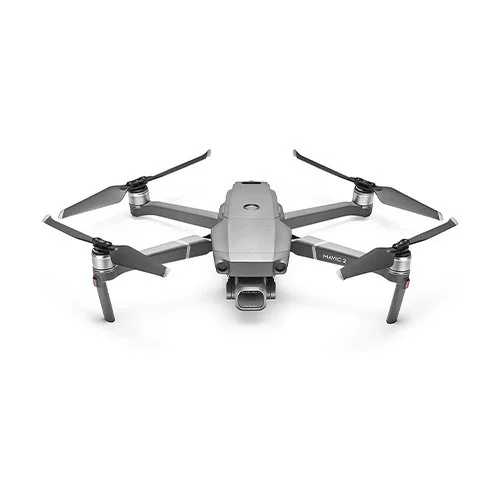
My DJI Mavic 2 Pro is definitely one of the older pieces of gear in my collection, but I still own and use it. I've always liked the combination of image quality, portability, and stability it gives me when traveling. A drone adds an entirely different perspective to a destination, especially in places with dramatic landscapes.
Drone laws and restrictions vary significantly by country and location, so I always check the current rules before packing it or planning to fly.
Insta360 X3 360 Camera
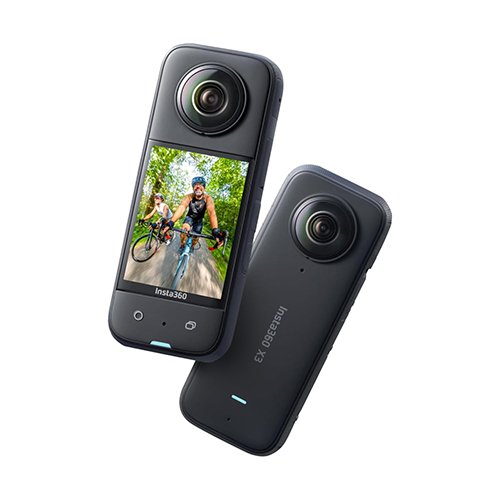
I originally bought the Insta360 X3 because I liked the creative possibilities of a 360-degree camera. It isn't something I use as constantly as my Sony or DJI Osmo Pocket 3, but it gives me shooting options that none of my traditional cameras can. Being able to capture everything around the camera and choose the framing afterward can be especially fun for travel footage and unusual perspectives. This is more of a specialty camera in my kit than an everyday essential.
My Camera Bag
WANDRD PRVKE Backpack
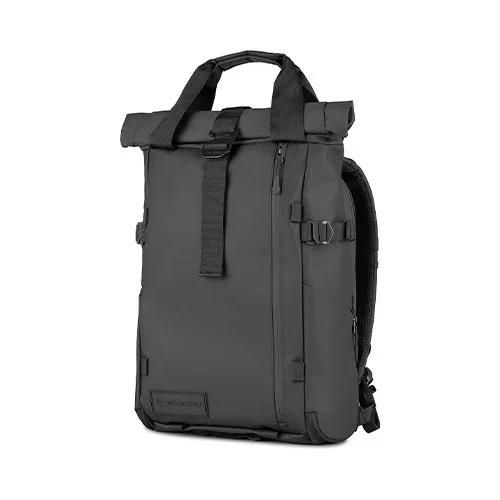
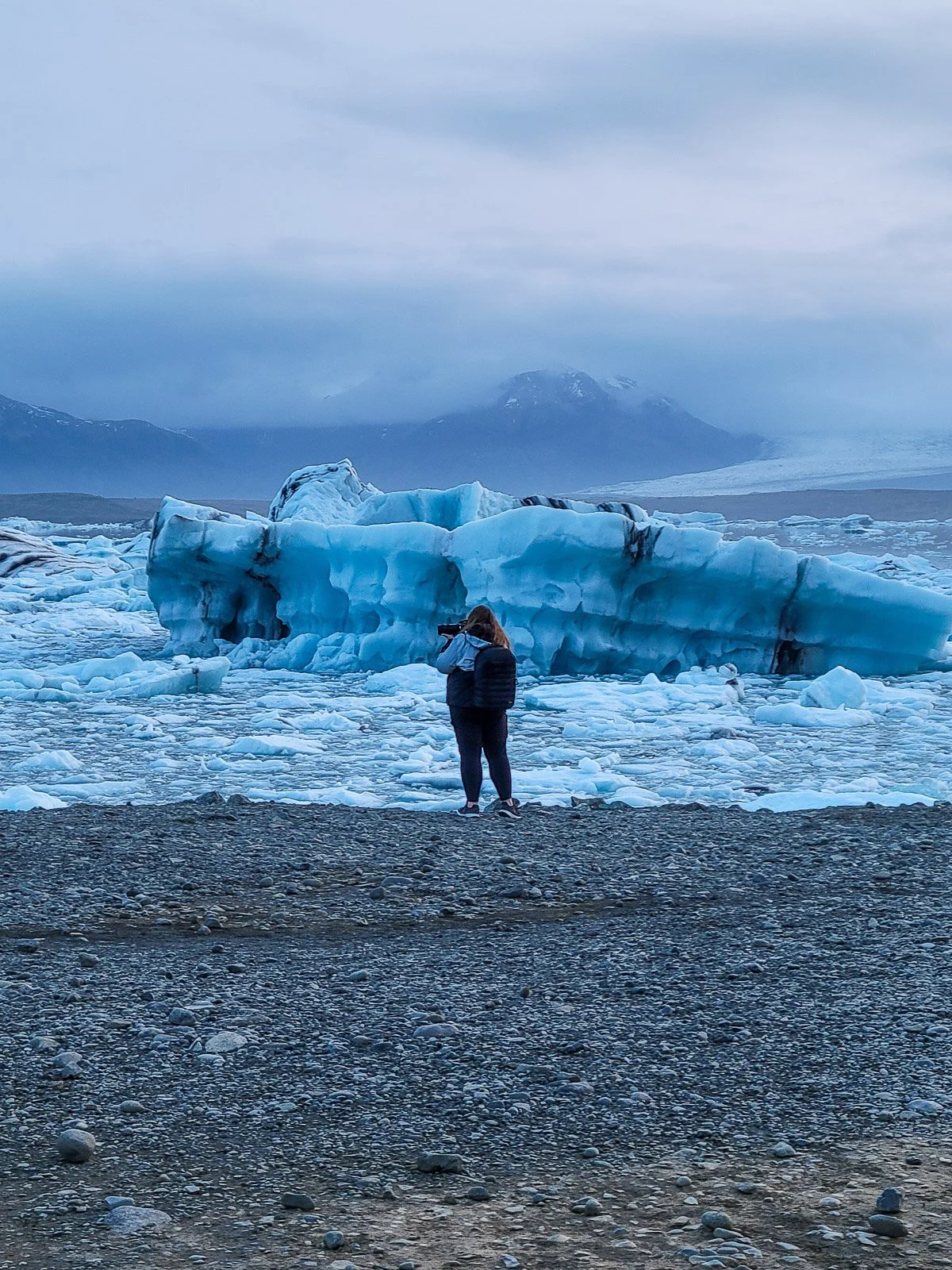
I've gone through quite a few camera bags over the years, but I now use one bag for my photography gear: the WANDRD PRVKE Backpack. I like having one bag that handles both camera gear and travel, instead of switching between several backpacks and camera inserts depending on the trip.
The PRVKE is designed specifically for photographers and travelers, with camera storage options, quick side access to your gear, a clamshell opening, laptop storage, an expandable rolltop, and space for everyday travel essentials. It also has a luggage pass-through, which is especially useful when I'm traveling with a suitcase. How much equipment I put inside still depends on the trip, but this is now the backpack I use to carry my photography gear when I travel.
What I Actually Bring on a Typical Trip
Even though I own quite a bit of photography gear, I definitely don't bring it all on every trip.
For most trips, my core setup is:
Sony A7R V
Sony FE 24-70mm F2.8 GM II
Samsung Galaxy S26 Ultra
DJI Osmo Pocket 3
Spare batteries, memory cards, chargers, and other small accessories
Everything goes into my WANDRD PRVKE Backpack, which has become my main camera bag for travel. I like being able to organize my gear the same way every time instead of switching between different backpacks and camera inserts depending on the trip.
From there, I decide whether anything else is worth bringing. I'll add the DJI Mavic 2 Pro if I know I'll have opportunities to fly, or the Insta360 X3 if I have something specific in mind that would work well with a 360 camera. My Nikon setup usually stays home unless I have a particular reason to bring it.
I've learned over the years that having more gear with me doesn't necessarily make a trip better. Every extra camera, lens, battery, or accessory is something else I have to carry, charge, protect, and keep track of.
I'd rather pack the equipment I know I'll actually use and leave myself enough room in the bag to enjoy traveling without feeling like I'm hauling around an entire photography studio.
Final Thoughts
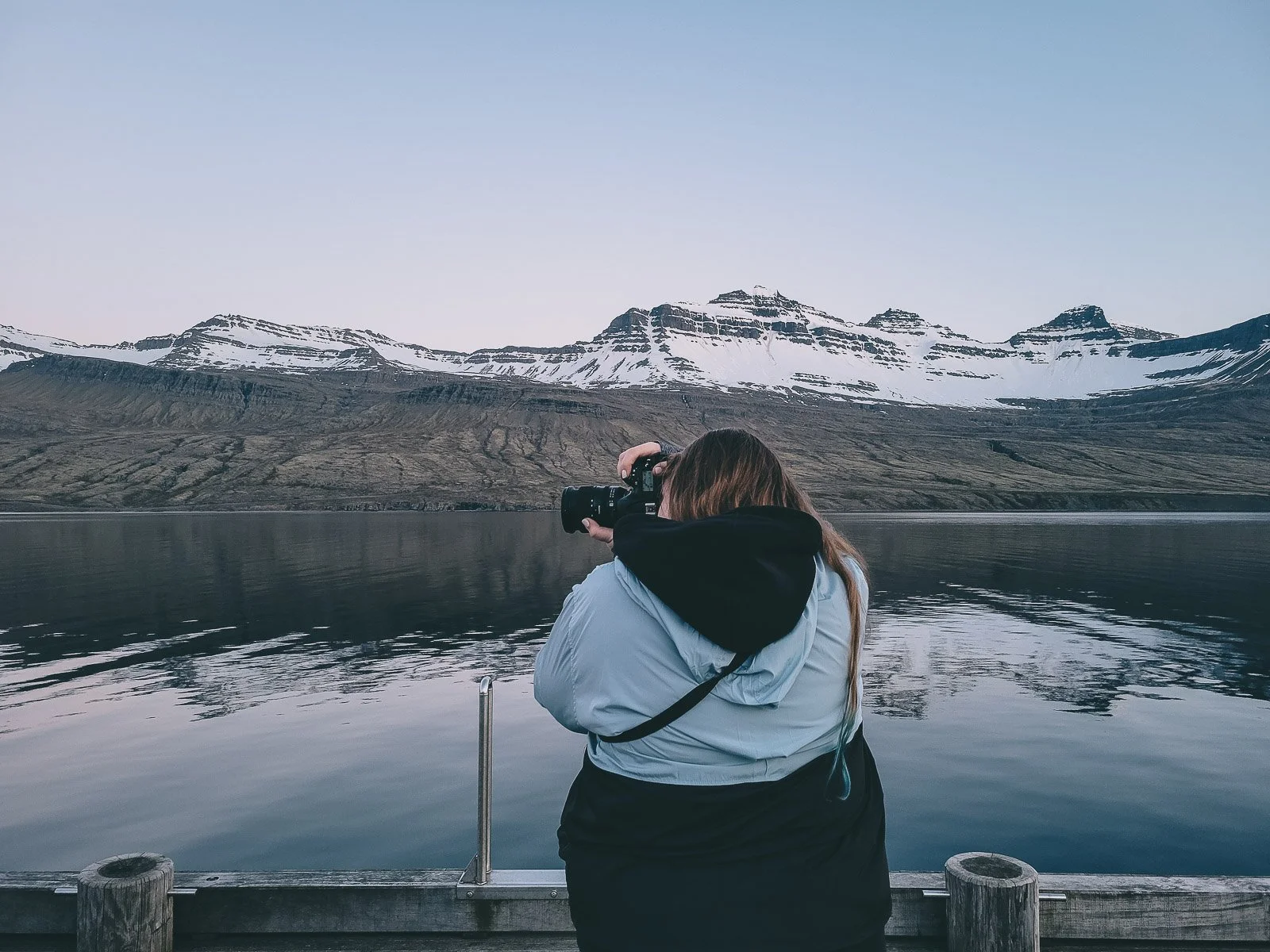
My camera bag looks very different today than it did when I first started traveling with photography gear.
After years of using my Nikon DSLR setup, my Sony A7R V and Sony FE 24-70mm F2.8 GM II are now at the center of my travel photography kit. The combination gives me the image quality and flexibility I want without needing to carry several lenses everywhere I go.
My Samsung Galaxy S26 Ultra and DJI Osmo Pocket 3 have also become some of my most-used travel cameras. They are small, easy to grab, and perfect for the moments when pulling out the Sony isn't necessary or practical.
I still own my Nikon gear, DJI Mavic 2 Pro, Insta360 X3, and some older equipment, but owning something doesn't automatically mean it needs to come with me on every trip.
The biggest change in the way I pack is that I've become much more intentional about what earns space in my WANDRD PRVKE Backpack. I want enough gear to create the photographs and videos I care about without turning every travel day into a workout.
There will always be newer cameras, better lenses, and another piece of gear I want to try, so I'm sure what's in my camera bag will keep changing. I'll keep updating this guide as my own travel photography setup evolves.
At the end of the day, the best camera gear is the gear you'll actually carry, use, and enjoy creating with.
Happy shooting!



Want to visit the real Hocus Pocus filming locations? Follow this self-guided tour through Salem and nearby Marblehead to see Allison's house, Max and Dani's house, their school, Old Town Hall, Pioneer Village, Old Burial Hill, and more.